Scientists from the Massachusetts Brigham and Massachusetts Institute of Technology conducted preclinical testing of a capsule designed to diagnose acute mesenteric ischemia, a condition that occurs due to disruption or cessation of blood flow in the intestine. The results of the study were published in the journal Science Robotics.
Although acute mesenteric ischemia accounts for less than 1.5% of emergency department visits for abdominal pain, the disease has a mortality rate of up to 55%. This is due, in particular, to the difficulties of timely detection of ischemia in the early stages.
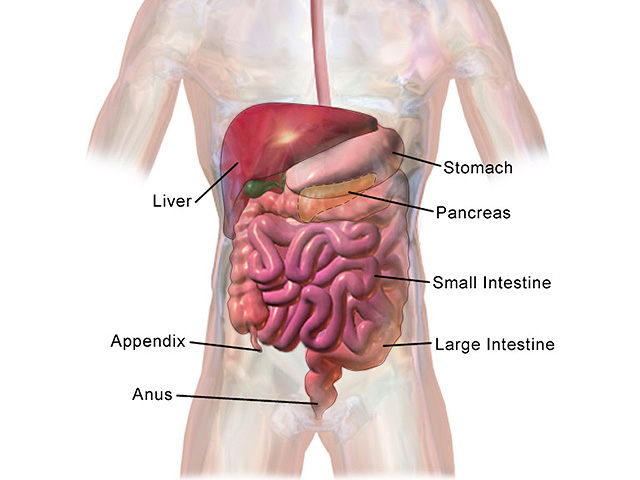
The team’s battery-powered FIREFLI capsule was inspired by the natural glow mechanism of fireflies. It is based on pH-sensitive luciferase, an enzyme that triggers a bioluminescent reaction. Once swallowed, FIREFLI is activated in the small intestine and emits light that reflects off tissue. In areas with ischemia, where tissues are deprived of oxygen and nutrients, the brightness of the glow is noticeably reduced. This data is transmitted wirelessly to an external device, which in the future could help doctors quickly and non-invasively diagnose this dangerous condition.
In experiments on nine pigs, the FIREFLI capsule correctly detected ischemia in 90% of cases. It showed high sensitivity (98%) in detecting disease, but slightly lower specificity (85%), resulting in a small number of false-positive results.