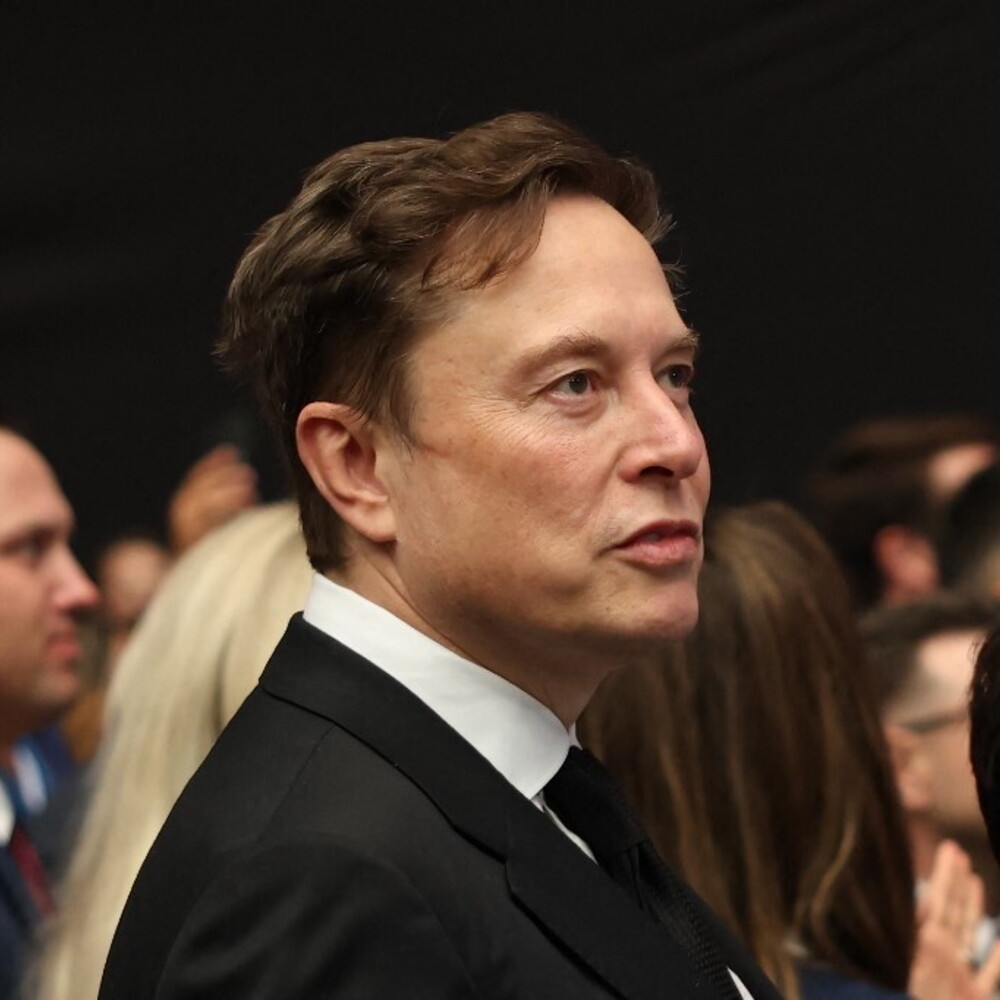
The largest sovereign fund of the world gets, again, sideways Elon Musk. The Norwegian giant Norges Bank Investment Management (NBIM), major shareholder of Tesla with over 1% of the capital, has announced that it will vote against the new $1 trillion compensation plan proposed for the CEO at the next shareholders meeting on Thursday in Austin, Texas. The fund, which manages over $2.1 trillion in public assets.
He justified the decision with a statement with considerable specific weight: “We appreciate the value created by Musk’s visionary role, but we are concerned about the overall size of the reward, the dilution and the lack of tools to mitigate the risk linked to a single person.” In other words, the concentration of too much power in the hands of one man, excessive financial exposure and corporate governance judged to be too weak are worrying.
Tesla’s Compensation Plan
The plan, which could guarantee Musk up to an additional 12% of Tesla shares if the group reaches a capitalization of 8.5 trillion dollars by 2035 (today it is worth around 1 trillion), comes at a crucial moment for the Texan car manufacturer, amid cuts in various sectors, slowing sales and increasingly aggressive Chinese competition. It is not the first time that Oslo has tried to put a spoke in Musk’s wheels: already in 2024 he had voted against the previous 56 billion dollar bonus, which was later canceled by a Delaware court. The new stance, therefore, is not surprising given that the current proposal is even more impressive, more ambitious and decidedly more divisive.
Warning on Big Tech Governance
The Norwegian fund’s message, while reiterating its intention to “maintain a constructive dialogue with Tesla on this and other issues”, goes well beyond the specific case. It seems like a warning about governance and the personalization of power in big tech, where the boundaries between visionary leadership and cult of personality are becoming increasingly blurred. Also, and perhaps above all, via Musk and his choices. Meanwhile, Tesla’s board is pushing shareholders to approve the plan, and Chairwoman Robyn Denholm warned Monday that Musk could leave the company if the deal is rejected. A pressure that makes Thursday’s vote even more delicate.
Investor concerns
Last month,Elon Muskhad hinted at a possible step back from leading Tesla. On A message that fueled investor concerns at a time of declining sales. In the first half of the year, global vehicle deliveries decreased by 13%, also due to the delay in production of the new Model Y after the restyling.
In the third quarter, Tesla rebounded 7% as many US consumers rushed to buy electric cars before the $7,500 federal stimulus expired in September. But with the end of this measure, the company now faces the risk of a slowdown in the domestic market. Even in Europe the situation remains complex: in October, registrations dropped in important countries such as Sweden, Norway, Denmark and the Netherlands. And even in China the situation is certainly not prosperous. In this context, Musk, already the richest man on the planet, defends his request by explaining how it represents a reward proportionate to the results obtained. And a rejection by shareholders would certainly force Tesla to radically review the compensation structure of its CEO, opening a new front with investors and fueling rumors of his possible disengagement from leading the group to focus on X (formerly Twitter), Neuralink, SpaceX and xAI. An unconfirmed hypothesis, but which the “no” from the Norwegian fund has just made less unlikely.