British Prime Minister Keir Starmer promised in the summer of 2024 that he would never leave the European Convention on Human Rights. A clear demarcation from the conservative previous government. A year and a half later, his party does not, strictly speaking, want to withdraw from the agreement – but wants to drastically reinterpret parts of it.
Hardly any protest on the English streets in recent months has been as loud as the one on the hot topic of immigration. In September, 150,000 Brits followed right-wing activist Tommy Robinson through London; Only on Sunday evening did hundreds march through Crowborough, where a military training camp is to be turned into an asylum home.
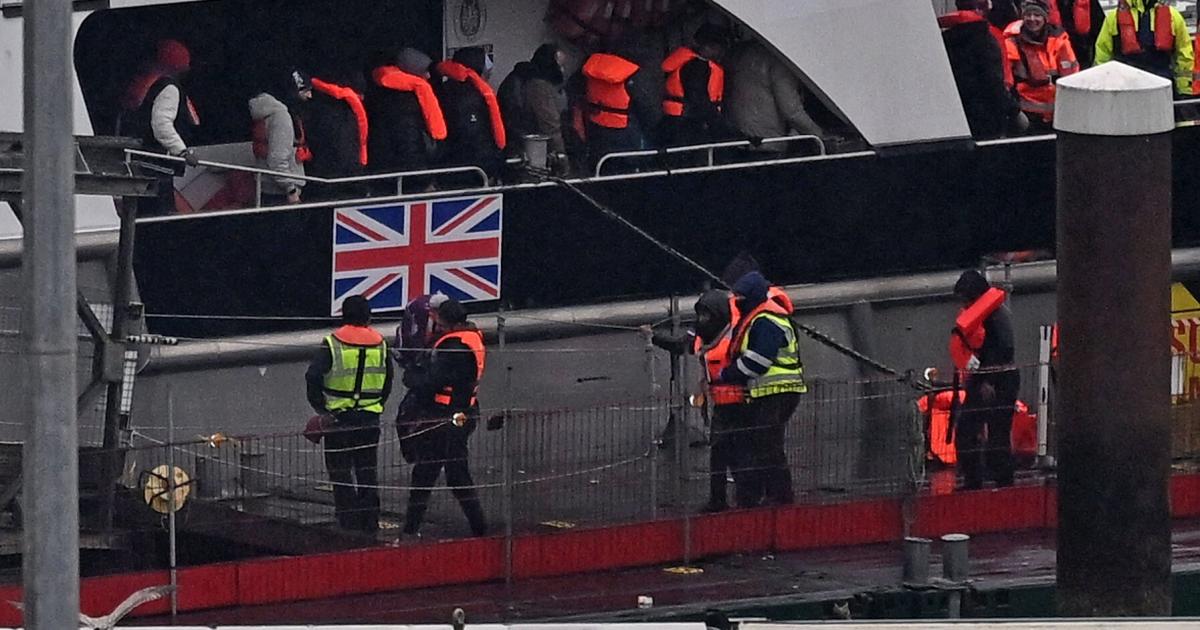
Almost 40,000 people entered the country illegally on inflatable boats this year; almost a fifth more than in the previous year. The British government pays around 7 million euros every day to accommodate asylum seekers in hotels.
“Illegal migration,” declared Interior Minister Shabana Mahmood, “is tearing our country apart.” On Monday afternoon she presented the biggest asylum law reform in decades.
A temporary status
In the future, those entitled to asylum will have to wait up to 20, rather than five, years to apply for permanent settlement. Refugees will also be deported to their home country as soon as it is safe again. And similar to Austria – family reunification should be made more difficult. A reinterpretation of Article 8 (the right to a family and private life) would only allow immediate family members such as parents or children to enter the UK.
The UK will also join nine European countries, including Austria, in reforming Article 3 of the Human Rights Convention (protection against inhuman or degrading treatment).
Mahmood hopes to make the deportation of foreign criminals easier. To date, the Labor government has not been able to deport even serious criminals if their health needs have not been met.
Jewelry confiscated
The measures continue: The law against modern slavery is being tightened so that short-term applications to stop deportations are prevented. The three African countries Angola, Namibia and the Democratic Republic of Congo were threatened with a visa ban if they did not cooperate with deportations.
And last but not least, even cars, cash and jewelry from asylum seekers could be confiscated according to the Danish model – in order to pay processing costs. However, Alex Norris from the British Home Office emphasized when asked, it would not be wedding rings or emotionally valuable jewelry.
“Awful”
Labor’s surprisingly harsh package of measures has, unsurprisingly, met with harsh criticism from Labor itself. Labor MP Brian Leishman felt a “real level of disgust”. Party colleague Stella Casey finds the proposals “performatively cruel” and “economically misjudged”. And Mahmood’s rhetoric, added Tony Vaughan, fostered a culture of division.
But Interior Ministry Shabana Mahmood is not (for now) unsettled by the headwinds. These steps are her moral obligation, she told the Guardian: “If we don’t act, we risk losing the population’s support for an asylum system as a whole.”