On October 28, 2025, the X-59 took off from Lockheed Martin’s Palmdale facility and landed at NASA’s Armstrong Flight Research Center. The flight lasted about an hour, at a height of about 3,500 meters and at speeds of up to ~390 km/h; the goal was to check the systems, without entering the supersonic area.
See what NASA’s “flying saber” looks like:
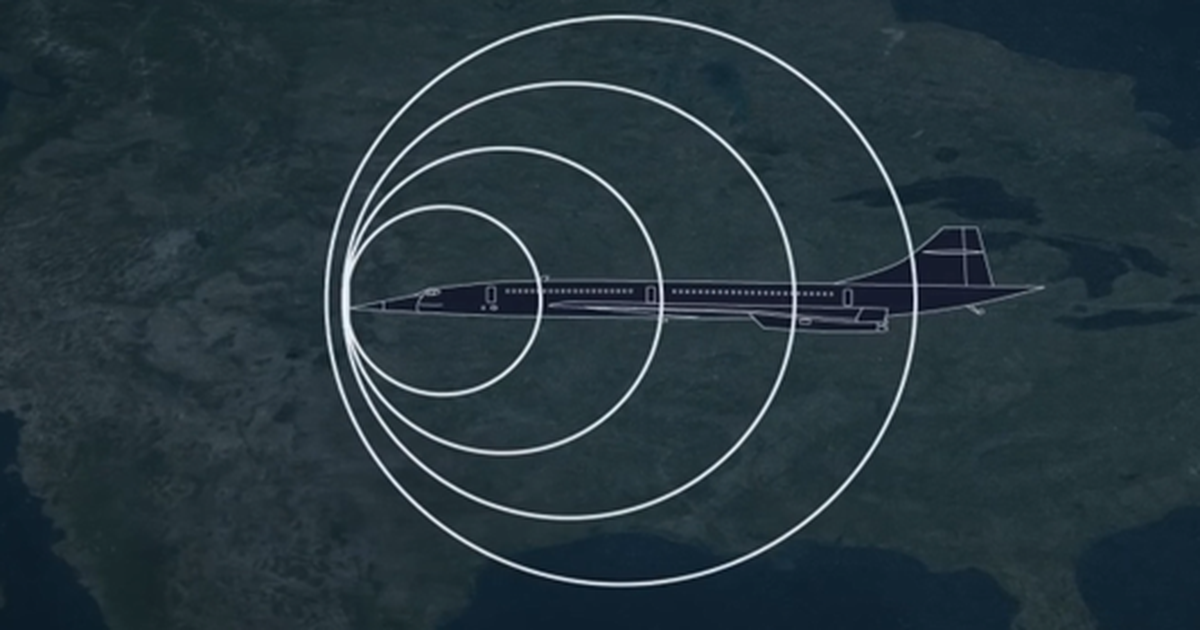
The aircraft is nicknamed the “flying swordfish” because of its extremely long, pointed nose: this very shape “smears” the shock waves to create a quiet sound pressure instead of a loud boom – something NASA calls a quiet boom. In the next phase, the X-59 will gradually increase its speed to the planned Mach 1.4 at altitudes of up to 17,000 meters, and then it will record over selected cities how quiet the “thump” really is for people on the ground.
Why is it important?
In the USA, supersonic commercial flights over land were banned in 1973 due to noise, which, in addition to economy and safety, also crashed Concorde over America. If NASA’s tests show the X-59 is quiet enough, the FAA could draw up new rules — the first prerequisite to one day returning high-speed intercity flights.
Live Science writes that the first flight went according to plan and that the next steps are “climbing” towards the supersonic regime and tests of noise perception in communities. In short: the X-59 is not a future airliner, but a flying proof that supersonic flight can be made significantly quieter – and provide the industry and regulators with data for a new generation of high-speed passenger aircraft.