The US warns that the outbreak of an unvaccinated Ebola variant in Congo and Uganda could exceed 20,000 cases and 2,000 deaths in the next 3 months if the world does not intervene urgently.
The statement was made by the US Centers for Disease Control and Prevention (CDC) in the context that the World Health Organization (WHO) had just announced the latest data as of June 9, recording that the entire epidemic area had 397 cases of infection and 65 deaths since the outbreak began in February this year.
Due to the serious nature of the outbreak, WHO also declared a global health emergency in mid-May.
US CDC experts built the above warning model based on the worst scenario, when the supply of vaccines and treatment drugs is limited and the health sector can only isolate 20% of patients. Even in a more positive scenario with a quarantine rate of 70%, the model still shows a 20% risk of the number of cases exceeding the threshold of 10,000 people.
The agency emphasized that if countries do not quickly deploy large-scale and sustainable public health measures, the current outbreak is at risk of becoming as serious as the Ebola crisis in West Africa in the 2014-2016 period, which claimed the lives of more than 11,000 people out of 28,000 cases.
Despite providing worrying numbers, US health officials clarified that this is a planning tool to motivate countries to act quickly, instead of accurate forecasts to cause panic.
Scientists are currently facing many difficulties in assessing the actual scale because they do not fully understand the Bundibugyo strain, have not controlled the number of quarantine cases, and standard testing cannot detect this variant.
Controlling the source of infection becomes even more complicated when the epidemic is located in the Ituri province of Congo, an area where armed conflict is occurring. The Bundibugyo variant was originally transmitted from fruit bats to humans and then broke out through direct contact with body fluids, causing patients to rapidly suffer multiple organ failure after an incubation period of 2 to 21 days.
Although the situation in Africa is tense, the US CDC believes that the risk of the virus entering and spreading widely in the US is currently very low thanks to the public health system and strict clinical infection control procedures. To date, the US has not recorded any domestic cases.
Authorities have only conducted a medical evacuation of an American surgeon infected in Congo and his family to Germany for treatment, and transferred another related doctor to the Czech Republic for close medical monitoring.
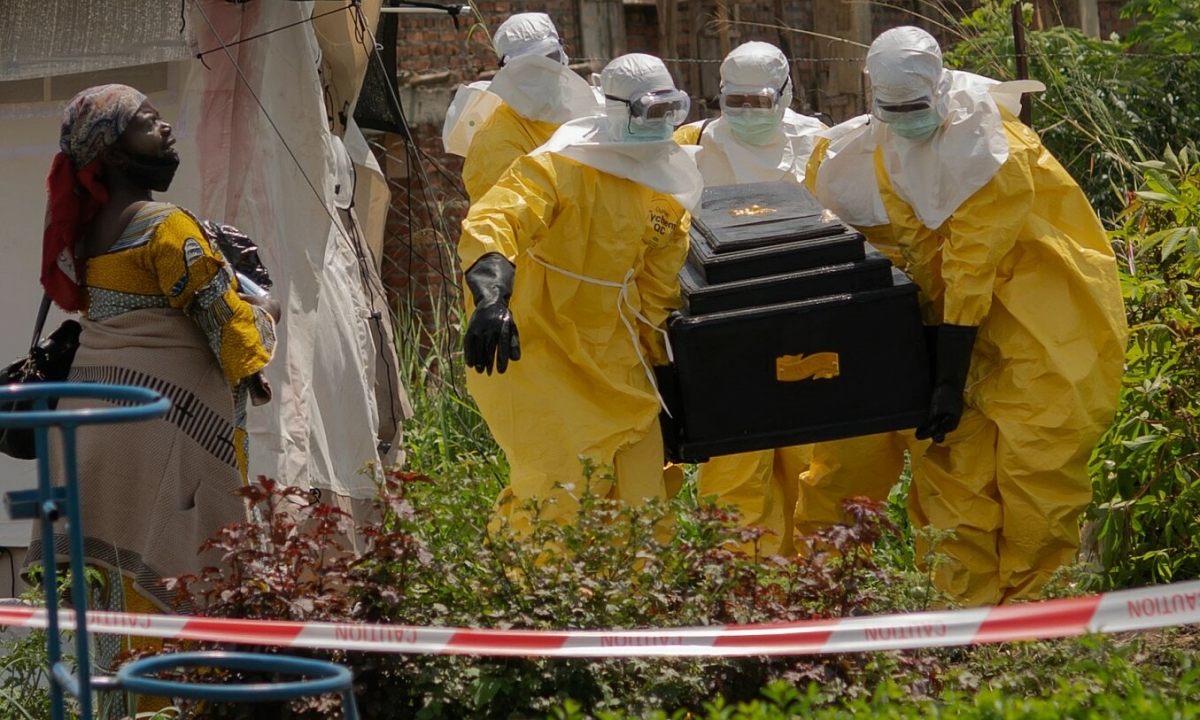
A woman cries as Red Cross workers carry the coffin of an Ebola victim out of the medical center in Rwampara, Democratic Republic of Congo, on May 20. Image: AP/Moses Sawasawa
In Vietnam, the Ministry of Health assesses the risk of Ebola intrusion as low because the virus is only transmitted through direct contact, but the agency has issued warnings and proactively prepared response plans.
https://bet-on-red.co.no/
https://bet-victor-ca.com/
https://bet365-ch.ch/
https://bet365-ch.eu.com/
https://bet365-hu.eu/
https://bet365-hu.eu.com/
https://bet365-hu.net/
https://bet365-hu.org/
https://bet365-it.co.it/
https://bet365-no.co.no/
https://bet365.bz.it/
https://bet365au.net/
https://bet365au.org/
https://bet365casino-hu.com/
https://bet365casino.co.it/
https://bet365casinos.it/
https://bet365ch.ch/
https://bet365ch.eu.com/
https://bet365hu.eu.com/
https://bet365hu.hu.net/
https://bet365it.co.it/
https://bet365magyar.com/
https://bet365no.co.no/
https://bet365s.ch/
https://bet365s.co.no/