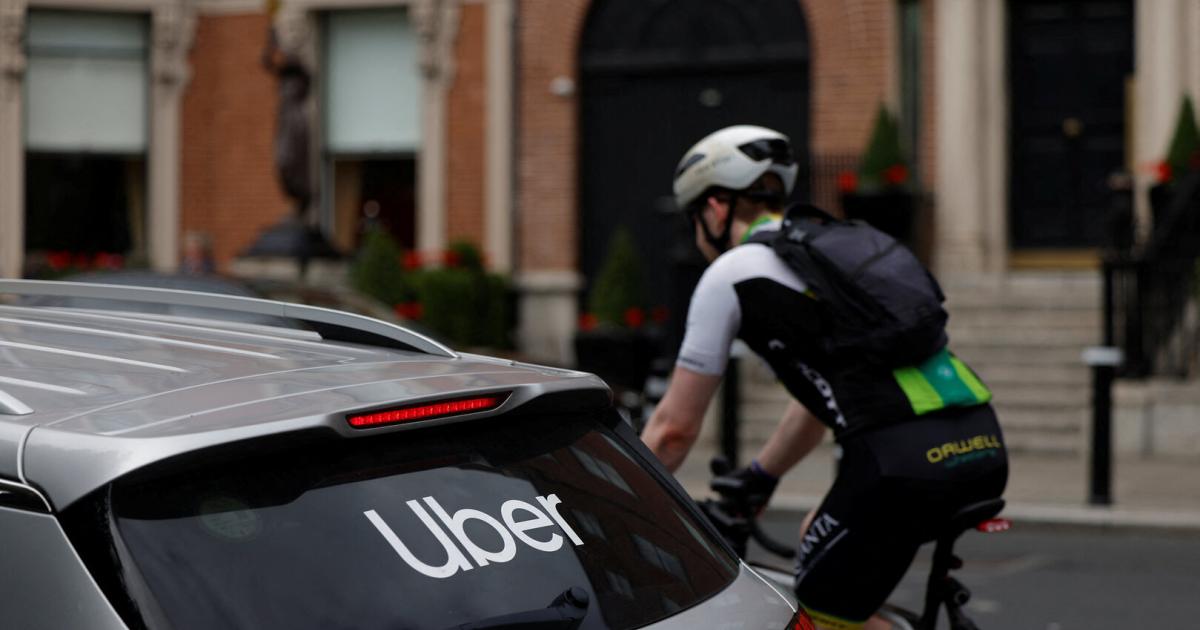
Parcel and food delivery, travel services, care and cleaning services, IT services: tens of thousands of people in Austria also do work that is organized via internet platforms. There are now more than 500 such digital work platforms in the EU that mediate between clients and contractors.
The so-called “platform workers” are not employed by the platform, but act on their own account as solo self-employed or freelancers. Their number is growing from year to year, reaching 28 million across the EU in 2022 an estimated 43 million increased.
Precarious working conditions
Most of them are poorly paid and have little social security; the union speaks of precarious, sometimes exploitative employment relationships. According to a survey by the EU Commission, 55 percent of platform workers earn less than the net minimum wage in the country in which they work. 41 percent of the time they devote to the platform is not compensated at all.
“Toothless” EU directive
An EU directive passed last year is intended to bring more rights and, above all, prevent bogus self-employment. But the directive is toothless and does not cover many forms of self-employment, according to a research project by the Central European University (CEU) in Wien. “The new EU legislation will only apply to the small group that works via platforms. All others who, for example, work via orders on the web, or subcontractors who do not receive their orders via platforms, will not be covered at all,” explains Karin Lukas, researcher at the Department of Legal Studies the CEU to the KURIER.
The directive has been watered down. Criteria that determine when someone is falsely self-employed were left to the individual member states.
Economic dependency is a given
There is still a gap in protection that has not been closed. Workers only need to be better protected if they work like employees, i.e. in personal dependence on the employer. However, this definition is outdated in view of the new forms of work. “The criterion of economic dependence should count,” says Lukas. The current legal situation therefore puts solo self-employed people at a disadvantage compared to freelancers who can sue for employment.
Joint action as an illegal agreement
Because they are independent, they could also not unionize to negotiate better working conditions. However, if several platform workers come together to negotiate together, they could even be prosecuted for illegal agreements under antitrust law, says Lukas, pointing to legal gaps. These should be closed quickly, because in the case of platform work it is also about Circumvention of labor law at the expense of the employees as well Tax evasion. Companies, in turn, complain about unfair competition from the Internet.