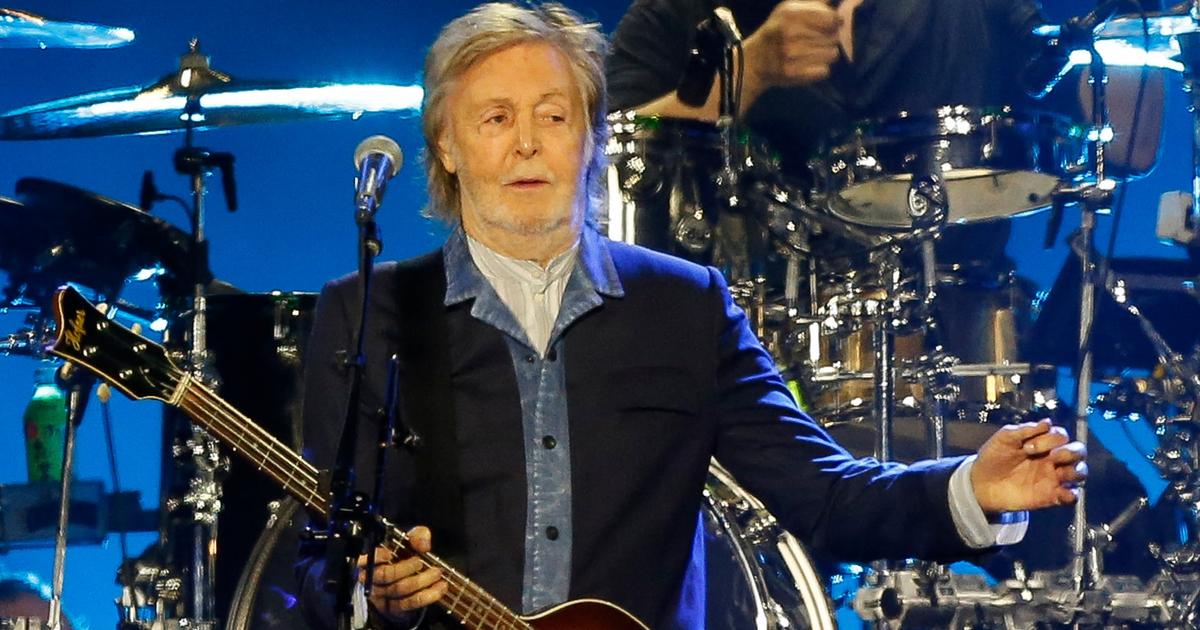
The silent title (Bonus Track)the first in five years, is a recording of an “empty studio”, with a succession of tape noises and clicking sounds, lasting two minutes and 45 seconds.
British music legend Paul McCartney will release a silent piece in December on the occasion of the reissue of an album, also silent, in which artists such as Hans Zimmer and Kate Bush participated to denounce a project on AI relaxing copyright.
McCartney’s song titled (Bonus Track)the first in five years, is a recording of an “empty studio”, with a succession of tape noises and clicking sounds, lasting two minutes and 45 seconds.
Skip the ad
It will be released on the occasion of the vinyl reissue of the album Is This What We Want (“Is this really what we want?”) on December 8, the collective of the same name announced on its site on Sunday. More than a thousand artists including Annie Lennox, Damon Albarn, Jamiroquai and Max Richter collaborated on this silent album, released in February 2025, which urges the British government “not to legalize musical looting for the benefit of AI companies”.
“The album features recordings made in empty studios and performance halls, illustrating the impact we believe the government’s proposals would have on musicians’ livelihoods,” they say. Only a thousand vinyl copies will be released, they added.
The 83-year-old ex-Beatle had already, with 400 artists including Elton John, Coldplay and Dua Lipa, signed an open letter urging the government to protect the British music industry. The Labor executive is defending a bill, a priori presented in 2026, aimed at applying an exception to copyright law to facilitate the use of creative content to train AI models.
These technology companies would no longer need to obtain permission from authors or pay them, which has angered the music industry. According to a study of artists and producers by the UK Music association, published last Wednesday, two out of three respondents believe that AI poses a threat to their career. More than nine in ten want their image and voice protected, and also ask to be paid by the AI companies that use their creations.