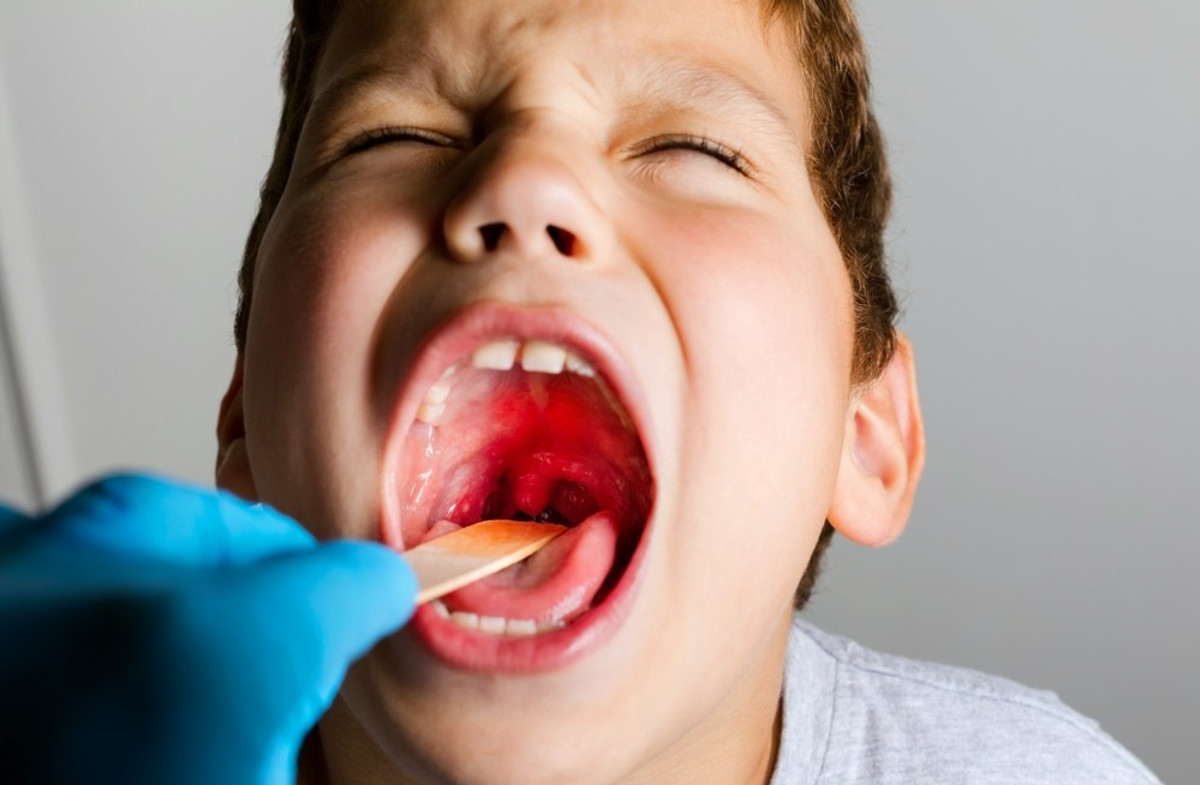
Streptococcus A is a bacteria that is usually found in the throat and nose of healthy people, and sometimes even on the skin, without causing symptoms. However, when the immune system weakens or the bacterium penetrates deeper tissues, it can cause serious diseases. In most cases it is a classic sore throat or a superficial skin infection, but more rarely an invasive infection may develop, a situation in which the bacteria penetrates the blood, soft tissues or internal organs.
In these cases it is a particularly dangerous infection, which may cause pericarditis, acute pneumonia, sepsis and even tissue necrosis. The mortality rate from invasive diseases caused by the bacterium may reach 15-20 percent, especially among the elderly, infants and people with weakened immune systems.
According to experts in infectious diseases, the reason for the sharp increase this year is not entirely clear, but it may be related to a combination of several factors: after the Corona period when extensive preventive measures such as masks and restrictions on gatherings were taken, the population was re-exposed to a wide variety of pollutants. In addition, seasonal changes and warmer weather than usual can contribute to a faster spread of the bacteria in closed schools, kindergartens and workplaces.
Some experts estimate that there is also the possibility of a certain genetic change in the strains of streptococcus active in Israel, which makes them more violent and highly contagious. However, extensive laboratory testing is required to confirm this. The Ministry of Health stated that a comprehensive epidemiological examination is currently being carried out to identify geographic patterns and to check if new strains of the bacteria are involved.
Not every sore throat requires antibiotic treatment, and that in many cases the cause is viral. However, it is recommended to consult a doctor in any case of a prolonged high fever or a particularly strong sore throat, especially if it is young children or people with underlying diseases. According to medical sources, it is recommended to also pay attention to early signs of skin complications such as contaminated wounds, extensive redness or severe pain in a local area and seek immediate medical attention if these symptoms appear.