The habit of bathing in hot water can harm male reproductive health, especially sperm quality and sex hormone function.
According to Dr.BS.CK2 Tra Anh Duy, Men’s Health Center, hot water bath is a common habit of many men, bringing a feeling of relaxation, reducing stress and supporting circulation. However, a growing body of scientific evidence shows that frequent exposure to high temperatures can negatively affect male reproductive health, especially sperm quality and testicular function.
The testicles are the organs that produce sperm and testosterone. The process of spermatogenesis takes place optimally at temperatures 2-3 degrees Celsius lower than core body temperature. The scrotum acts as a natural “thermoregulator”, with a vine-shaped vascular system that helps cool arterial blood to the testicles.
When men regularly bathe in hot water (40-43 degrees Celsius) or soak in a hot bath, the scrotal temperature increases, leading to inhibition of spermatogenesis due to changes in the microenvironment in the seminiferous tubules. It also increases oxidative stress in the testicles, damages sperm DNA and reduces testosterone secretion in case of long-term exposure.
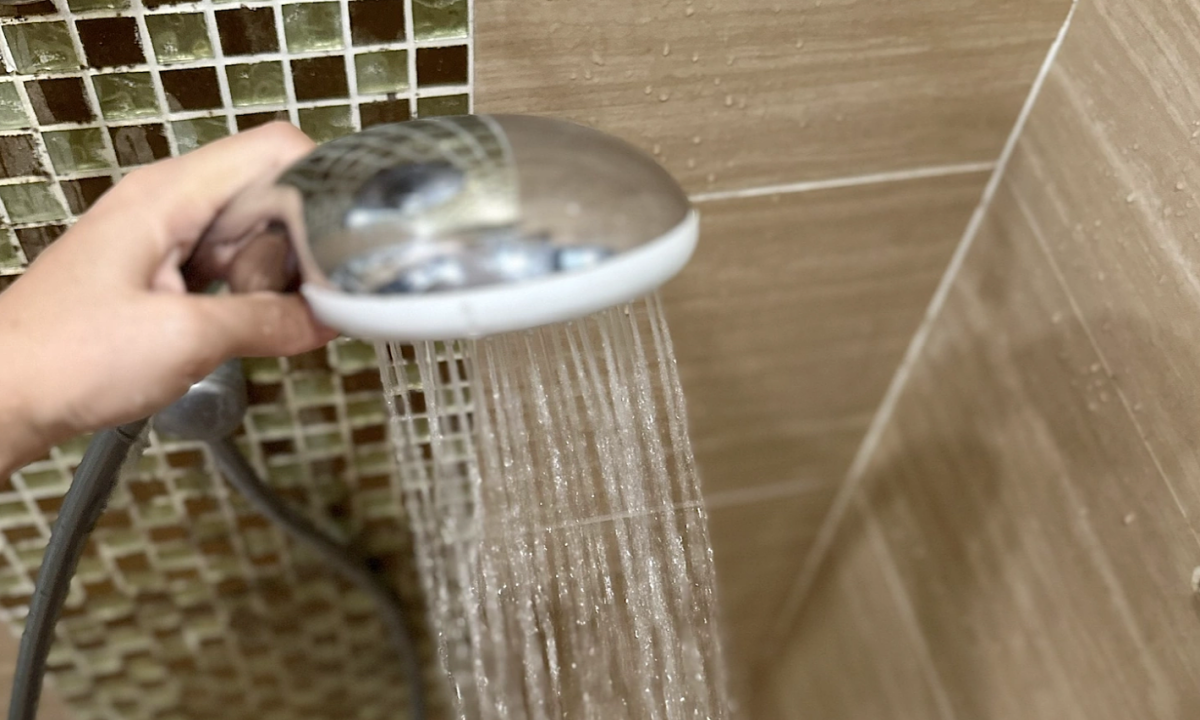
The habit of bathing in hot water can harm men’s reproductive health. Illustration photo: Ngoc Pham
Clinical studies show that frequent hot baths are associated with reduced sperm density, motility and morphology.
According to research published above Journal of Andrologywhen the testicles increase 1 degree Celsius compared to normal, sperm density decreases by an average of 40%. Other research published above Human Reproduction showed that the risk of poor sperm mobility increased 2.3 times in the group regularly exposed to high heat (hot baths, occupational exposure to furnaces). The rate of sperm DNA breakage also increased by 35% after 3 months of regularly bathing in hot water, according to research published on the Internet. Fertility and Sterility.
In addition to the direct effect on sperm, prolonged heat exposure can reduce testosterone by inhibiting Leydig cell function. Some studies have documented a slight but statistically significant decrease in testosterone levels in groups of men who regularly take sauna baths. Prolactin and FSH (follicle – stimulating hormone) are compensatory increases, reflecting disorders of the hypothalamic – pituitary – testicular axis. According to research published above British Journal of Urologymen regularly exposed to high heat had an average serum testosterone that was 18% lower.
If men soak in hot water for more than 30 minutes, and 4 times a week or more, the negative effects are clearly evident. Water temperatures above 40 degrees Celsius will be clearly detrimental to the testicles. In addition, obesity, wearing tight underwear, and occupations that expose you to heat (welder, chef, long-distance driver) increase the risk.
However, many of the adverse effects of heat are reversible if exposure is avoided. The process of spermatogenesis takes about 72-90 days, so after stopping the habit of taking hot baths, sperm quality can improve.
To prevent harm from heat, men should avoid regularly soaking in hot water above 40 degrees, especially if they are undergoing infertility treatment. Limit soaking time to less than 15-20 minutes, do not repeat every day. You can use alternative relaxation methods such as taking a moderately warm bath, practicing yoga, or meditating.