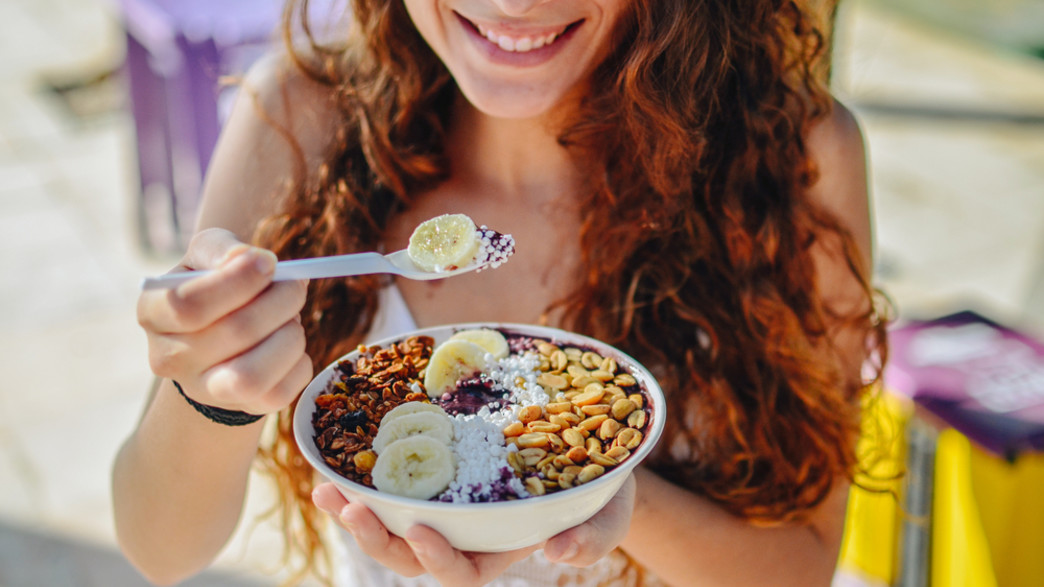
Nutritional habits play a significant role in maintaining health, but they have an even more central role in women during unique periods such as pregnancy, breastfeeding and menopause. The body’s need for different nutrients such as protein, carbohydrates, fats, minerals and vitamins changes in these physiological states and is adapted to the processes that take place in the woman’s body.
According to the Ministry of Health data, about 40% of women in Israel are overweight or obese and about 25% of women are on a weight loss diet.
What is the reason for this? Well, there is no single answer to the question. At the same time, it is clear that consumption of ultra-processed food, rich in sugar, salt, saturated fat and low in essential nutrients, contributes to weight gain and the development of chronic diseases such as pre-diabetes, diabetes, osteoporosis and more.
A balanced diet will include a preference for plant foods, whole grains, legumes, vegetables of various types, a variety of fruits, moderate consumption of lean proteins such as cheese, poultry, fish and dairy products or their substitutes, and of course high quality olive oil and nuts and seeds, which are not salted. It is recommended to avoid consuming food rich in saturated fat (meats rich in fat, butter, cream) and trans fat (margarine, baked goods and snacks).
Proper nutrition during childbearing age
Many data indicate that women of reproductive age do not consume enough iron, calcium, omega 3, folic acid, vitamin B12, and vitamin D and are at risk of developing malnutrition.
The Ministry of Health recommends that all women of childbearing age take a folic acid supplement, at a dose of 400 mcg per day, in order to prevent birth defects in the neural canal in the fetus and reduce the risk of premature birth. In special cases, the gynecologist will recommend a higher dose. Controlled studies confirm the importance of folic acid supplementation in the first 1000 days of life.
Nutritional sources: Leafy greens, white/brown beans, enriched breads
Proper nutrition during pregnancy
The Ministry of Health recently added recommendations for pregnant women to consume iodine and vitamin D In addition to folic acid and iron which he recommended long ago. The recommended nutritional supplements can be taken as a combined, multivitamin nutritional supplement intended for women. It is important to note that the recommended daily allowance for the additional vitamins and minerals in the preparation should not be exceeded.
What is important to eat during pregnancy?
iron. During pregnancy, the body needed a larger amount of iron than usual, both due to the increase in blood volume and in order to meet the needs of the growing fetus. If this amount is not provided to the woman during pregnancy, anemia may develop and the woman may feel great fatigue, a decrease in energy and daily activity. The recommendation is to take an iron supplement from the end of the third month of pregnancy until six weeks after giving birth in a dose ranging from 30-60 mg per day.
Nutritional sources: Meats (poultry, turkey), fish and legumes (soybeans, soybeans, hummus and lupine, lentils, peas). To improve the availability of the iron that comes from legumes, it is recommended to sprout the legumes and combine their consumption with a vegetable or fruit, rich in vitamin C, for example red pepper, tomato, kiwi, citrus fruits and strawberries.
iodine. An essential mineral for the proper functioning of the thyroid gland. Pregnant women need increased iodine intake in order to enable them to meet the hormonal needs of their body and the fetus during pregnancy. Lactating women must consume iodine at an adequate level, due to the need to supply iodine to the newborn, whose brain is still developing during infancy. It is recommended for pregnant women to take a supplement at a dose of 150-250 micrograms, at least one month before the woman plans to conceive and to continue the supplement for the entire pregnancy and throughout the breastfeeding period.
Nutritional sources: Sea fish, dairy products, especially milk, eggs and iodized salt.
calcium. A necessary component for the woman and the developing fetus. Calcium is important for building bones, for the functioning of the blood and muscle systems and for building and maintaining healthy teeth. Therefore, during pregnancy the body’s demand for calcium increases. The Ministry of Health guidelines are a daily calcium intake of 1000 mg for pregnant and lactating women.
Nutritional sources: Dairy products (milk, cheeses, yogurts), legumes, green leafy vegetables, almonds and whole sesame tahini.
Vitamin D. Helps in calcium absorption and bone building. The importance of vitamin D In highly pregnant women in view of its effect on the construction of the skeleton in the fetus and other roles in the mother’s metabolism. It is recommended to supplement with a dose of 200-400 international units (an amount equivalent to 5-10 micrograms) for the entire pregnancy and during the breastfeeding period.
Which foods should be careful during pregnancy?
fish. Fish are a good source of unsaturated fat, and sea fish in particular are a good source of omega 3 fatty acids. This fatty acid is essential for the body and the development of the fetus. It is recommended to consume about 2 meals a week of fish rich in omega 3 (salmon, sole) and vary the types of fish on the menu. To avoid consuming an increased amount of mercury, it is better not to eat large sea fish such as mackerel or tuna steak. In women who do not consume fish, an omega 3 supplement is recommended throughout the months of pregnancy as well as during breastfeeding.
alcohol. Alcohol is quickly absorbed into the blood, crosses the placenta and reaches the fetus. Babies born to alcoholic women suffer from extremely severe developmental problems. Since it is not known what amount of alcohol is considered safe, nor what stage of pregnancy is considered the most critical for harm from alcohol, the World Health Organization recommends absolutely avoiding drinking alcohol throughout pregnancy.
caffeine. The caffeine passes to the fetus through the placenta, and the fetus has no ability to break it down. Some studies have found a link between excessive caffeine consumption and miscarriages, premature births and low birth weight of the baby. Caffeine in high doses may speed up the heart rate of the mother and the fetus and may harm the woman’s sleep, as well as the sleeping habits of the fetus in the womb. In addition, caffeine may cause loss of essential fluids and salts, due to its action as a diuretic. It is recommended to avoid consuming black coffee and energy drinks that contain three times more caffeine than instant coffee (about 80-150 mg of caffeine per cup). It is recommended to limit caffeine consumption to up to 3 cups a day of caffeinated beverages (coffee, tea, cocoa, cola).
Uncooked products. Avoid meat, poultry, fish and eggs that are not cooked or only partially cooked. The cooking process destroys the bacteria and parasites in meat, chicken and fish, and eating uncooked or partially cooked meat may expose the woman to various diseases that can cause severe damage to the fetus. More information on food safety during pregnancy can be read on the website of the Ministry of Health.
Proper nutrition during menopause
The transition period is an intermediate stage, which can last several years and in which there is a transition from the fertility phase to infertility. This process occurs gradually. It is customary to define a woman as menopausal (menopause) when she goes an entire year without menstruation. The average age is 51 years. During this period, there are many metabolic changes in the woman’s body: a decrease in the rate of metabolism, which is manifested in weight gain and an increase in abdominal fat, an increase in the levels of blood fats and blood pressure, and on the other hand, a decrease in bone density, which may lead to weakening of the bones, a phenomenon that increases the risk of osteoporosis and fractures. There was also a significant decrease in strength and muscle mass.
Nutrition plays an important role in reducing the negative consequences of menopause on women’s health. Maintaining body weight, a diet rich in calcium and vitamin D, vegetable oils and a gradual reduction in the daily amount of calories will help you reduce the risk of pre-diabetes, diabetes, obesity and osteoporosis. It is recommended to reduce the consumption of calories from unhealthy foods and drinks (pastries, snacks, sugary drinks). It is useful to combine dairy products and their substitutes enriched with calcium, sardines, sesame and tahini, legumes.
It is very important to adhere to regular physical activity that includes 2-3 strength and flexibility exercises and accumulate a total of about 300 minutes of moderate activity per week. A combination of stress reduction activities are also important: meditation, mindfulness, yoga and pilates.
For personalized nutrition, it is recommended to contact a dietician with a Ministry of Health license.
Hadas Regev Tobias, Director of Nutrition in the Sharon District, Maccabi Health Services