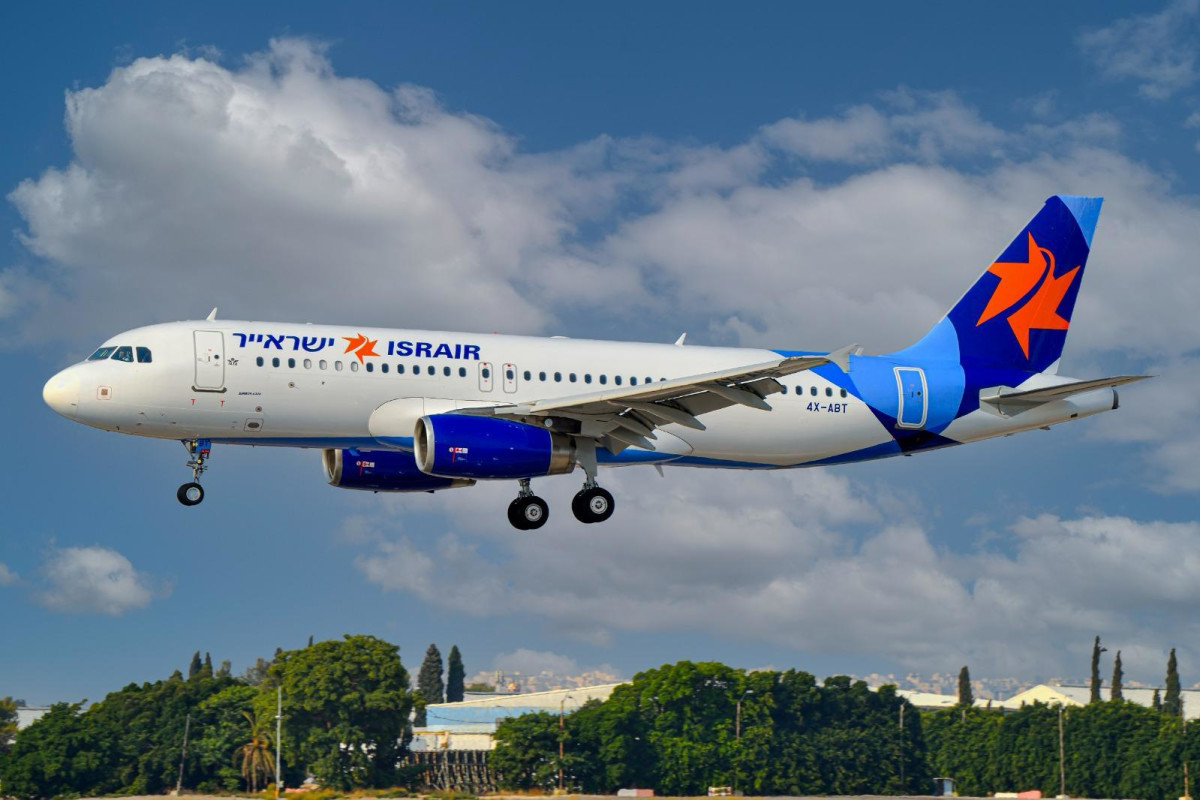
A software failure discovered following an unplanned descent of a JetBlue flight over the ocean exposed a vulnerability in a central computer that helps determine the nose angle of A320 aircraft. Thousands of airlines around the world were required to stop operations, carry out an urgent update, and in some cases also replace hardware components, before they could fly with passengers again.
The fault found in the A320 planes is related to a central computer, which is responsible for calculating the plane’s nose angle during flight. This computer receives input from a number of sensors, including an altimeter, speed data and air pressure differences. In a small part of the planes, it turned out that powerful radiation from solar flares could disrupt the data processing process and cause the computer to display abnormal values.
The depth and scope of the incident surprised the industry, since it is the most common aircraft family in the world, the one that in recent years pushed the Boeing 737 from the top. The compromised control mechanism is critical, and the regulators’ instructions were unequivocal.
Therefore, already in the early hours of the night, IndiGo in India, Air Asia, and giant manufacturers like Wizz Air, Australian ones like Jetstar and Japanese companies, all worked in double shifts to get the planes back into the sky. In Japan, for example, Anna canceled 95 flights in just one day, an impact that affected more than 13 thousand passengers.
The malfunction threatened to throw into turmoil the busiest weekend of the year in terms of passenger traffic. However, companies such as American Airlines reported that the initial number of disabled planes was higher than reality, and managed to complete most of the repairs even before Saturday noon.
According to reports that reached the companies, Airbus itself surprised by updating during the Sabbath that the number of planes that will need the hardware replacement is significantly smaller than the initial estimate. While the professional officials initially spoke of more than 1,000 aircraft in need of new parts, now it seems that this is a much lower number, which makes it easier to be able to return the activity to normal.
However, not all questions were answered. The official cause of the malfunction, powerful solar radiation that damaged the systems, is still being investigated. The incident on the JetBlue flight, in which ten passengers were injured following a brief loss of altitude, is officially defined as a safety incident of the lowest severity level, but revealed a rare opening for vulnerability in systems that are supposed to be immune.
Beyond the issue of safety, the airlines are now also struggling with a logistical crisis. The order to disable an aircraft until the repair is completed, which takes between two and three hours for each aircraft, created a bottleneck in the maintenance chains. At the same time, the international maintenance industry is already suffering from a shortage of working hands and spare parts. All of this puts the companies in real danger of flight delays and cancellations in the coming days.
Despite the difficulties, the global situation was milder than the initial fear. At many airports only moderate delays were recorded. But the high dependence on the A320, especially in low-cost companies, may lead to further fluctuations in the flight schedule, especially in places where the stock of spare planes is limited.
Aviation officials in Europe stated that the mere fact that the incident occurred before the year-end holiday rush, and before the start of the ski season, may soften the economic damage. But if the event had happened two weeks later, the consequences would have been much more serious.
Now the industry is waiting for deeper conclusions, first of all the main question: how solar radiation can disrupt such a basic system without prior warning. Experts point out that such an event, even if it is closed quickly, will cause the airlines and regulators to re-examine the shielding of the radiation and control systems.