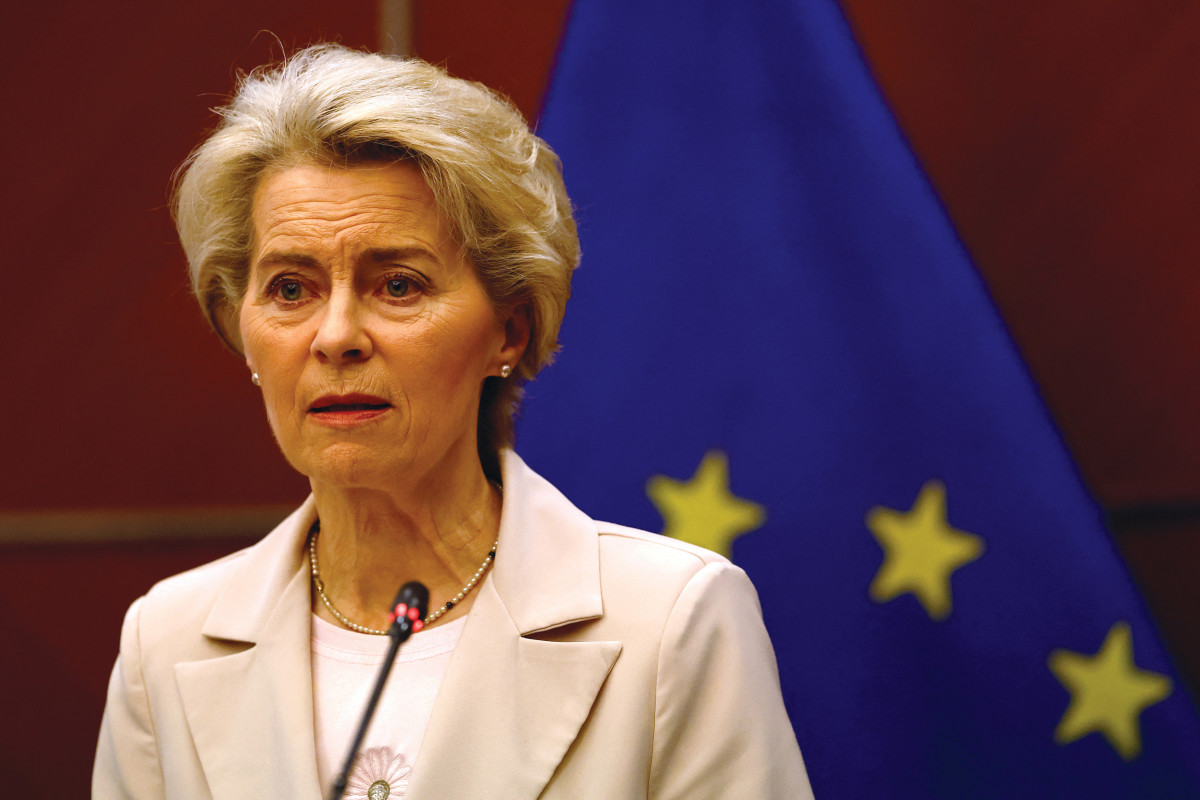
The document was drawn up by the Danish member of parliament Christel Shieldmussa, a member of the Social Democratic Party in Israel. In Denmark itself, the government is already promoting a similar move. The European Commission is also examining the issue, and President Ursula von der Leyen is expected to receive recommendations from a committee of experts by the end of the year. According to officials at the Commission, the recommendations may become binding legislation in the Union in the coming year.
Parliament also called for restrictions on a range of online features considered harmful to children, such as algorithms that promote addictive interactions, endless scrolling and reward loops. Also included is a ban on advertising aimed at minors and restrictions on the use of gambling mechanisms in games. “We didn’t abolish cigarette machines to allow children to fall prey to the whims of the internet,” said Belgian MP Bruno Toback. “The mental and physical health of the new generation must be a priority.”
In Belgium there was no member of parliament who objected. Certain Flemish parties abstained. Kris van Dijk from the Flemish National Party explained that the party does not support setting a minimum age. According to him, the focus should be on increasing digital safety and imparting skills and not on restrictions that could harm accessibility and equal opportunities. On the other hand, Flemish Minister of Culture Carolyn Ganz expressed support for the age limit. The government of the French Community in Belgium is also interested in a mandatory minimum age. As of this time, an official position of the state has not yet been determined.
The discussion surrounding the restriction of the networks to young people is being conducted against the background of a sharp increase in studies that indicate a possible harm to the well-being of children and teenagers. The studies include evidence of an effect on body image, an increase in the rate of depression and anxiety and disruption of sleep patterns. The European Parliament sees the age restriction as a complementary step to the regulation that has already been implemented in recent years, such as the Digital Services Law that regulated the legal responsibility of platforms for dangerous content.
In the world of technology, the developments in Brussels are closely monitored. The technology companies, operating in the face of increasingly strict legislation, are expected to face advanced age verification requirements and restrictions on business models based on targeted advertising. Some companies claim that the move will make it difficult to develop educational and safe services for children, and others believe that the measures are necessary to curb the growing risk of exposure to harmful content.
Despite the internal debate between the EU countries, digital law experts estimate that the Parliament’s proposal will become the basis for binding legislation. If implemented, Europe would be the first major economy in the world to implement broad restrictions on children’s presence on social networks. In Israel and many other countries the move is being followed, as European regulation dictates international standards in many cases.
The continuation of the procedure is expected to include negotiations between the Parliament, the Commission and the Union Council. Only then will a uniform formula be determined. Despite the lack of a final decision, the vote sends a clear message. Europe is determined to set new boundaries in an era where content consumption among young people is becoming more intense and complex.
Earlier this week, Indonesia announced that it will ban social media accounts for young people under the age of 16. The new regulations are expected to be drafted in the coming months, similar to the regulations established in Australia.