Spinach, broccoli, beets, Brussels sprouts and garlic leaves help improve fatty liver disease and support natural liver recovery.
Fatty liver is a common and growing problem that occurs when too much fat accumulates in the liver and interferes with the liver’s ability to filter toxins, regulate hormones and sugar, digest protein, store iron and perform other functions.
Medication is often needed in the later stages of the disease, but lifestyle changes – especially improving diet – are essential to reverse the disease in the early and intermediate stages. Vegetables are especially important because they are rich in vitamins, minerals and phytonutrients – essential nutrients that won’t make you gain fat when consumed.
Dark green leafy vegetables, cruciferous vegetables and dark-colored produce are rich in nutrients that help the liver detoxify, reduce markers related to oxidative stress and improve insulin resistance. And many also help with weight control, one of the most effective ways to improve fatty liver disease. Furthermore, vegetables also contribute to reducing inflammation, a major factor in the development of liver disease.
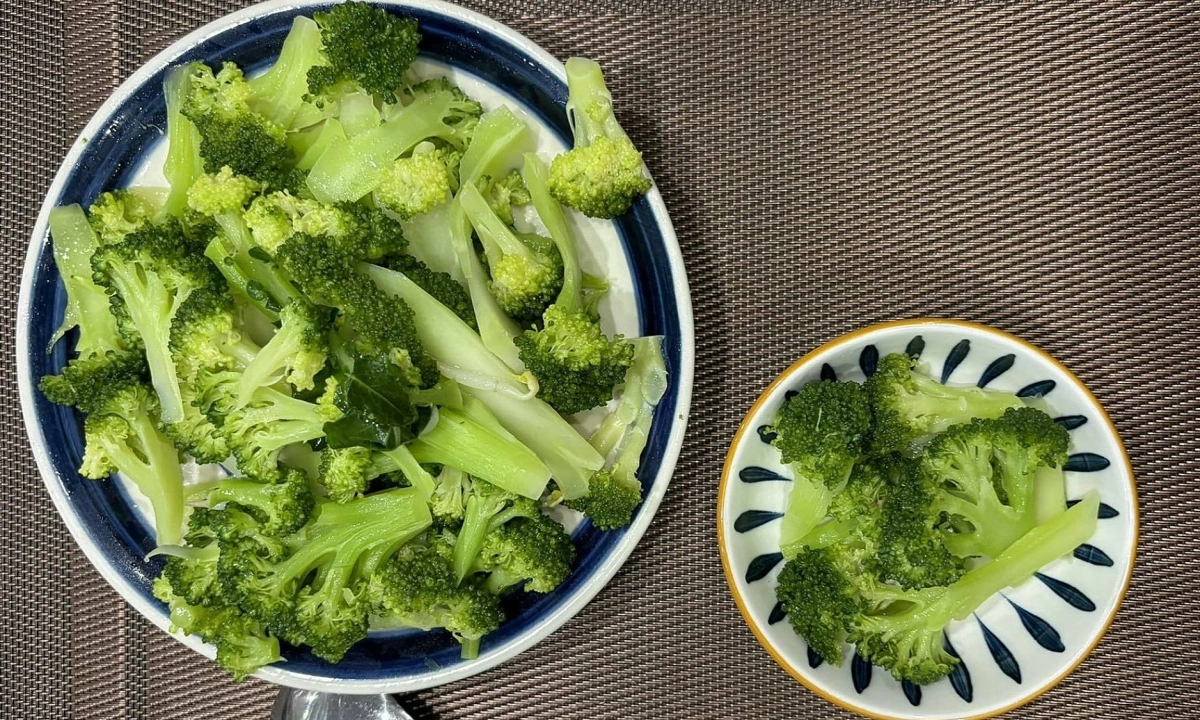
Broccoli contains sulforaphane, a compound that enhances liver detoxification. Image: Mr. Chi
Dr. Mridul Kushwaha, a hepatobiliary specialist in Delhi (India), lists 5 vegetables that can support natural liver recovery.
Too bad
Spinach is rich in liver-protecting carotenoids and beta-carotene, a powerful antioxidant that can fight oxidative stress found in fatty liver disease. Rich in nitrates, it increases blood flow and reduces inflammation. The fiber in spinach also helps control blood sugar levels by reducing fat in the liver.
Broccoli
Broccoli contains sulforaphane, a compound that enhances liver detoxification. It supports fat metabolism and can prevent too much fat from accumulating in liver cells.
Beetroot
Beets are also rich in betalains, powerful antioxidants that protect liver cells against oxidative stress. It helps create bile, allowing the liver to process fats more effectively. Organic nitrates help increase blood flow, which can improve nutrient delivery to liver tissue.
Brussels sprouts
These cruciferous vegetables have glucosinolates that aid in activating natural detoxifying enzymes in the liver. They work by quelling inflammation, which plays a key role in the progression of fatty liver disease. This is a rich source of fiber, good for digestion and eliminating toxins.
Garlic leaves
Green garlic leaves help boost energy, thanks to the presence of allicin in the plant which helps support liver detoxification and reduce inflammation. They help normalize cholesterol balance, which can improve fatty liver symptoms. The antioxidant and antibacterial functions of garlic leaves help improve overall liver health and recovery.