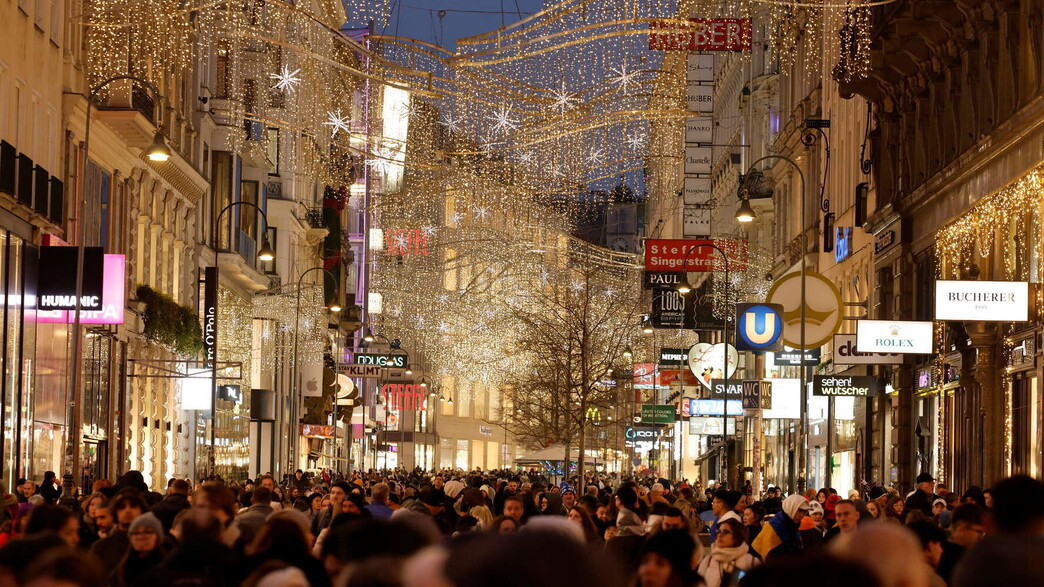
Known for its spectacular scenery, historic cities and rich cultural heritage, Austria has recently earned a less desirable title: the most crowded tourist destination in the world, according to MoneyTransfers.com, a comparison site for international money transfer services. Despite a population of only about 9 million inhabitants, Austria receives about 32 million visitors every year, which leads to an impressive ratio of 3.6 tourists per inhabitant.
The charm of the country lies in the combination of the landscapes and the cultural sites in it. Cities like Vienna, Salzburg and Innsbruck attract travelers with their baroque architecture, impressive palaces and museums. Vienna, known as the “city of dreams”, is a particularly central attraction. Attractions such as the Schönbrunn Palace, the Hofburg Palace, the Vienna State Opera and the Museum of Natural History attract millions of visitors, while the city’s active bars and restaurants contribute to a bustling atmosphere throughout the year.
However, the growth in tourism is also accompanied by significant challenges. Popular tourist destinations are struggling to cope with congestion, pressure on infrastructure and environmental concerns. Vienna’s streets and cultural sites are often flooded during peak seasons, and residents’ daily routines are disrupted. Small towns face even more serious challenges. Hallstatt, a picturesque village on the shore of a lake with only about 800 inhabitants, has become a global phenomenon, partly thanks to the alleged connection to the Disney film “Break the Ice”. The town receives more than a million tourists a year, and before the corona, the number of daily visitors reached 10,000. In response, the local authorities limited the number of buses and cars entering the area, with the aim of reducing the number of visitors by a third.
The Alpine region of Austria, known for its ski resorts, also experiences a high tourist load. Resorts in Tyrol and St. Anton attract thousands of visitors in the winter season, causing environmental pressure and concerns about maintaining local authenticity. The many ski resorts now employ sustainable practices to preserve the natural environment, including encouraging eco-travel, reducing waste and managing the flow of tourists more effectively.
Austria’s international appeal is not limited to landscapes alone. Its reputation as a center for classical music, art and culture continues to attract visitors from all over the world. Annual events such as the Salzburg Festival and celebrations in memory of Mozart and Beethoven attract tourists throughout the year, along with the film The Sound of Music.
While excess tourism provides significant economic benefits, it comes with a price. The local communities face an increase in the cost of living, a lack of housing options and an erosion of the quality of life. Heavy traffic, waste and environmental degradation threaten Austria’s beauty, which is one of its main attractions for tourists.