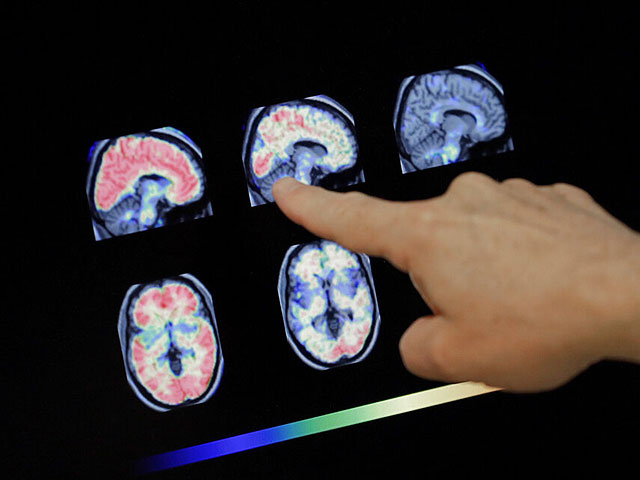
Scientists at King’s College London conducted a study published in the journal Radiology AI that demonstrates how artificial intelligence can help cope with increasing delays in radiology. These delays are due to a shortage of specialists and a steady increase in the number of MRI examinations ordered for more than a decade.
Such delays often delay the start of treatment and can worsen the prognosis for patients, since MRI plays a key role in detecting and monitoring many brain diseases, including strokes, tumors and aneurysms. AI can reduce the burden on radiology departments by automatically sorting images and speeding up the preparation of reports.
To test the effectiveness, the developed model was first trained to determine whether a scan was normal or contained pathology. The results were comparable to those of experienced radiologists. The system was then tested to detect specific diseases – stroke, multiple sclerosis and brain tumors – using new MRI images that were not part of the training set. The model successfully coped with this task.
Typically, AI is trained on large data sets that are manually labeled by experts, which requires significant resources. To avoid these difficulties, the researchers created a model that could learn on its own using more than 60,000 available brain MRIs along with relevant medical reports. The scientists also configured the model so that it can find and show similar cases based on an uploaded MRI image or a text query—for example, “glioma” (a type of brain tumor). This can be useful both for clarifying the diagnosis and for training specialists.
The results of the study demonstrate that the model can be used directly in the MRI process: it is capable of detecting anomalies in real time and helping doctors make decisions. AI can suggest possible findings, point out errors in conclusions, or select similar cases from archives. All this speeds up the diagnostic process, reduces waiting time for results and ultimately improves the quality of patient treatment.
https://letsdobookmark.com/story/apple-watch-pasiymi-patikimumu-ir-moderniomis-technologinmis-funkcijomis
https://justpep.com/story/tech/patikimi-automobiliu-akumuliatoriai-skirti-ilgalaikiam-naudojimui-ir-saugumui
https://to-portal.com/post/367244_samsung-telefonai-sie-lo-inovatyvius-sprendimus-ir-auke%D1%9Etd-kokybd-samsung-telefo.html
https://storymaps.arcgis.com/stories/b2309aecc9b64b2bbd48c89c33d95ad2
https://x.com/TanaUnger69013/status/1995417117022376202?s=20
https://dai.ly/x9urjy4
https://to-portal.com/post/367429_automobiliu-akumuliatoriai-suteikia-patikima-energijos-saltini-automobiliams-ir.html
https://rumble.com/v72gcoi-modernus-automobiliu-akumuliatoriai-siulo-efektyvu-veikima-ir-patikimuma-va.html
https://gettr.com/post/p3ur3rheabc
https://www.flickr.com/photos/194900814@N03/54956804241/
https://www.giveawayoftheday.com/forums/profile/1463824
https://www.immo-web.ro/user/profile/1185265
https://able2know.org/user/dimplesteven3/
https://www.fionapremium.com/author/coddad0/
https://www.bitspower.com/support/user/koreantray7
https://www.demilked.com/author/tigerwaste1/
https://www.divephotoguide.com/user/firwaste2
https://skitterphoto.com/photographers/1938317/wulff-guzman
https://apunto.it/user/profile/421557
https://www.ebis-blog.biz/author/ariesshop7/
https://intensedebate.com/people/pillowbreak5
https://lospromotores.net/author/indiarouter7/
https://matkafasi.com/user/koreantuba9
https://www.anibookmark.com/user/gasgoat3.html
https://schoolido.lu/user/selectgoat9/