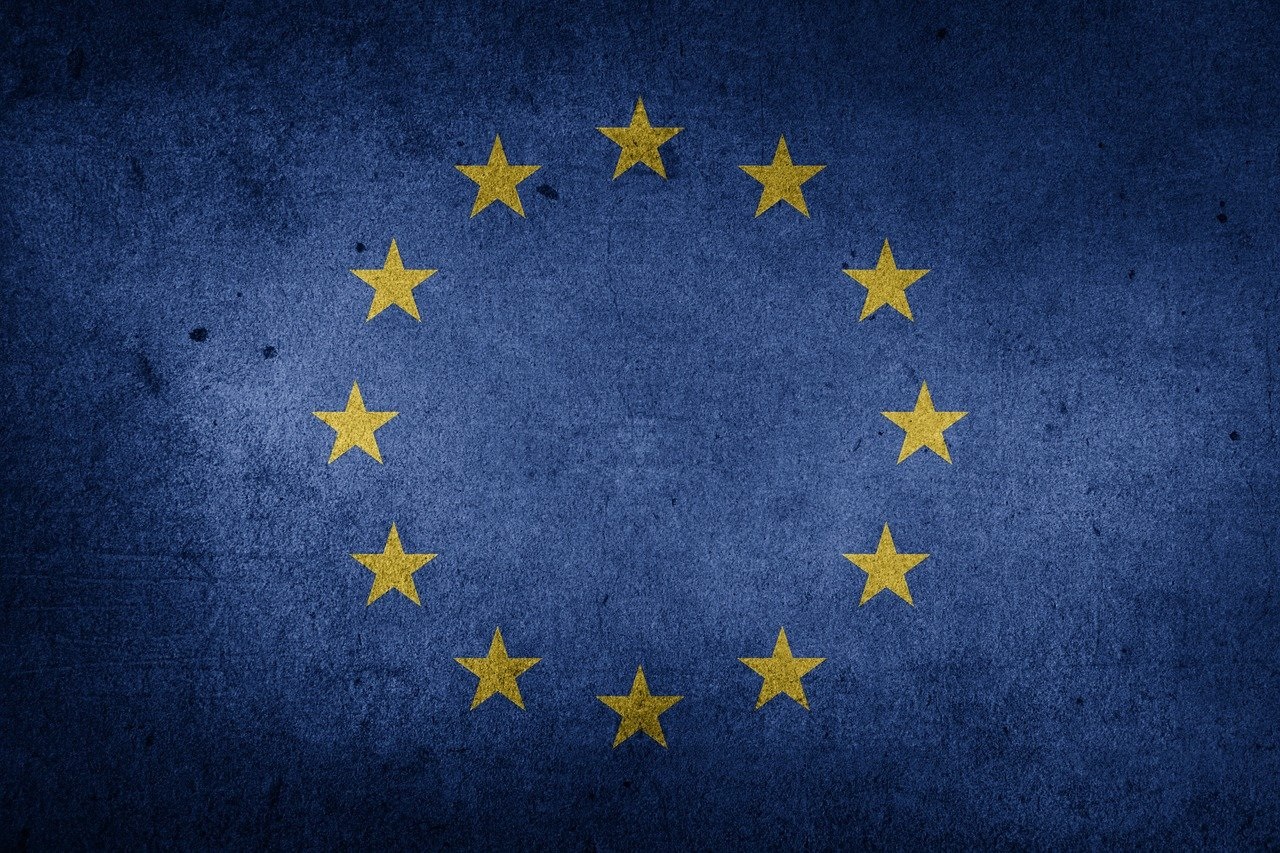
Earlier this month, the European Union decided to fine Elon Musk’s social network X around US$140 million for alleged violations of the Digital Services Law, legislation that regulates digital platforms in the bloc.
The punishment was based on questions made by the European Commission in July 2024, when authorities accused the company of associating the blue seal with an “idea of unproven credibility”, of “not adequately detailing the placement of paid advertisements” and of “failing to comply with data sharing requirements with researchers”.
The sanction provoked an immediate political reaction in Washington and strengthened the discourse of the more nationalist American right against the European Union. Members of President Donald Trump’s government also classified the measure as an attempt to impose censorship on an American company and to extend European regulation beyond its borders.
But why are more conservative and nationalist sectors in the United States advocating so strongly on social media the end of a bloc historically allied with Washington? The answer involves a combination of regulatory disputes, current economic disagreements, clashes over free speech and a broader shift in the Trump administration’s strategic reading of Europe’s role.
Part of this vision was made explicit in the new United States National Security Strategy. The document, presented at the beginning of this month, presents a critical diagnosis of the European continent, pointing to a prolonged process of economic and institutional weakening. According to the text, Europe’s share of the global Gross Domestic Product fell from around 25% in 1990 to approximately 14% today, in part due to national and supranational regulations considered restrictive to innovation and competitiveness.
In the document, the Trump administration also states that expansive migration policies, restrictions on political speech, repression of conservative opponents, a sharp drop in birth rates and “erosion of national identities” would be compromising the “social cohesion and capacity for self-government” of several countries on the European continent. If these trends continue, the text assesses that parts of Europe could become “unrecognizable in less than two decades”, which raises doubts for the current White House administration and conservative supporters of the Trump administration about the European Union’s ability to continue as a reliable strategic ally of the USA.
National sovereignty and criticism of the European Commission
For the American right, the EU, especially the European Commission, the bloc’s executive body, has concentrated power in “supranational” institutions without a direct democratic mandate, reducing the sovereignty of member states and moving strategic decisions away from voter control. The current criticism from the American right, mainly among members of Trump’s Make America Great Again (MAGA) movement, is also shared by European conservative leaders and parties, who accuse Brussels of interfering in sensitive internal issues, such as immigration, energy policy and information regulation.
Deputy Geert Wilders, who leads the nationalist right in the Netherlands – currently the second largest force in Parliament, for example, reacted to the fine against X by stating “no one elected” the European Commission and that the body “does not represent anyone”.
“The European Commission is a totalitarian institution that doesn’t even know how to write the words freedom of expression,” wrote Wilders.
Digital law and accusations of censorship
Republican parliamentarians, members of the Trump administration and American civil organizations claim that the current EU Digital Services Law creates a content control mechanism with potential extraterritorial effect, capable of impacting citizens and companies outside European territory, that is, American citizens.
As soon as he became aware of the fine, United States Vice President JD Vance accused the EU of pressuring platforms to adopt political censorship.
“The European Union should support free speech, not attack American companies for regulatory garbage,” Vance wrote in his X profile. In turn, Secretary of State Marco Rubio stated that the penalty “is not just an attack on X, but an attack on all American technology platforms and the American people,” adding that “the days of censorship of Americans by foreign governments are over.”
In October, the organization Alliance Defending Freedom International (ADF International) sent the President of the European Commission, Ursula von der Leyen, a letter signed by 113 experts, academics, journalists and politicians from different countries, warning that the Digital Services Law threatens basic democratic principles.
“Freedom of expression is the cornerstone of democratic societies,” stated the signatories, arguing that the legislation contributes to a “shrinking of civic space” across Europe.
The economic factor
In addition to regulatory disputes and the clash over freedom of expression, the American right’s criticism of the European Union also has a direct economic component. Recent surveys indicate that citizens in the United States see the environmental, social and governance standards adopted by the bloc as an obstacle to the competitiveness of American companies and a factor in increasing costs.
A survey carried out by the EU-US Forum organization and published by the Daily Wire portal shows that 57% of Americans believe that the European Union’s current economic rules unfairly harm companies in the United States. According to the survey, almost six in ten respondents advocate that Washington use trade negotiations as an instrument of pressure to contain European directives, especially those focused on the green agenda.
Still according to the survey, 71% of respondents stated that the compliance requirements imposed by the bloc tend to increase costs for American families, while 72% believe that the impacts are especially negative for small suppliers in the United States. For the right-wing linked to the Trump administration, this set of rules reinforces the perception that the European Union acts as a regulatory hub hostile to American economic interests.
https://www.demilked.com/author/dreamclub75/
https://skubi-du.online/user/heartwire66/
https://www.udrpsearch.com/user/latexsmash02
https://www.divephotoguide.com/user/latexflag88
https://a-taxi.com.ua/user/geeseband50/
https://aryba.kg/user/iconcannon37/
https://www.multichain.com/qa/user/cartcannon25
https://sonnik.nalench.com/user/iconnic27/
https://parentingcorp.wordpress.com/2025/12/14/understanding-the-complex-link-between-addiction-and-mental-health/
https://hilmartimes.weebly.com/home/addressing-addiction-drug-rehab-centers-in-cherry-hill-nj
https://erikachurch.wixsite.com/home/post/addressing-addiction-drug-rehab-centers-in-cherry-hill-nj
https://www.fxstat.com/en/user/profile/healthPro-721977/blog/38536421-%E2%80%8B-Understanding-the-Growing-Need-for-Addiction-and-Mental-Health-Treatment
https://webhitlist.com/profiles/blogs/understanding-the-rising-demand-for-rehabs-in-boynton-beach?xg_source=activity
https://www.diigo.com/item/note/66zsh/v6wn?k=0530334fa03ec2bf6f1c5351ff7947a8
https://superpasscode.amebaownd.com/posts/58275369
http://healthnest.wikidot.com/drug-rehab-centers
https://hackmd.io/@BestHealthAndMedicine/AddressingAddiction
https://penzu.com/p/242a0f579359eea9
https://telegra.ph/Exploring-Options-Rehabs-That-Take-Cigna-Insurance-12-17
https://all4webs.com/partyhealthcare/drugrehabcenters.htm
https://www.keepandshare.com/doc25/117415/addressing-addiction-the-growing-importance-of-rehab-in-new-jersey
https://fanhealthcare.mee.nu/addressing_the_growing_need_for_addiction_and_mental_health_care
https://robertclarkmart.hatenablog.com/entry/Rising_Demand_for_Drug_and_Alcohol_Rehabs_in_Boynton_Beach
https://postheaven.net/onlinemarketingcentral/understanding-access-to-rehab-services-with-cigna-insurance
https://livepositively.com/accessing-quality-addiction-treatment-through-cigna-insurance/