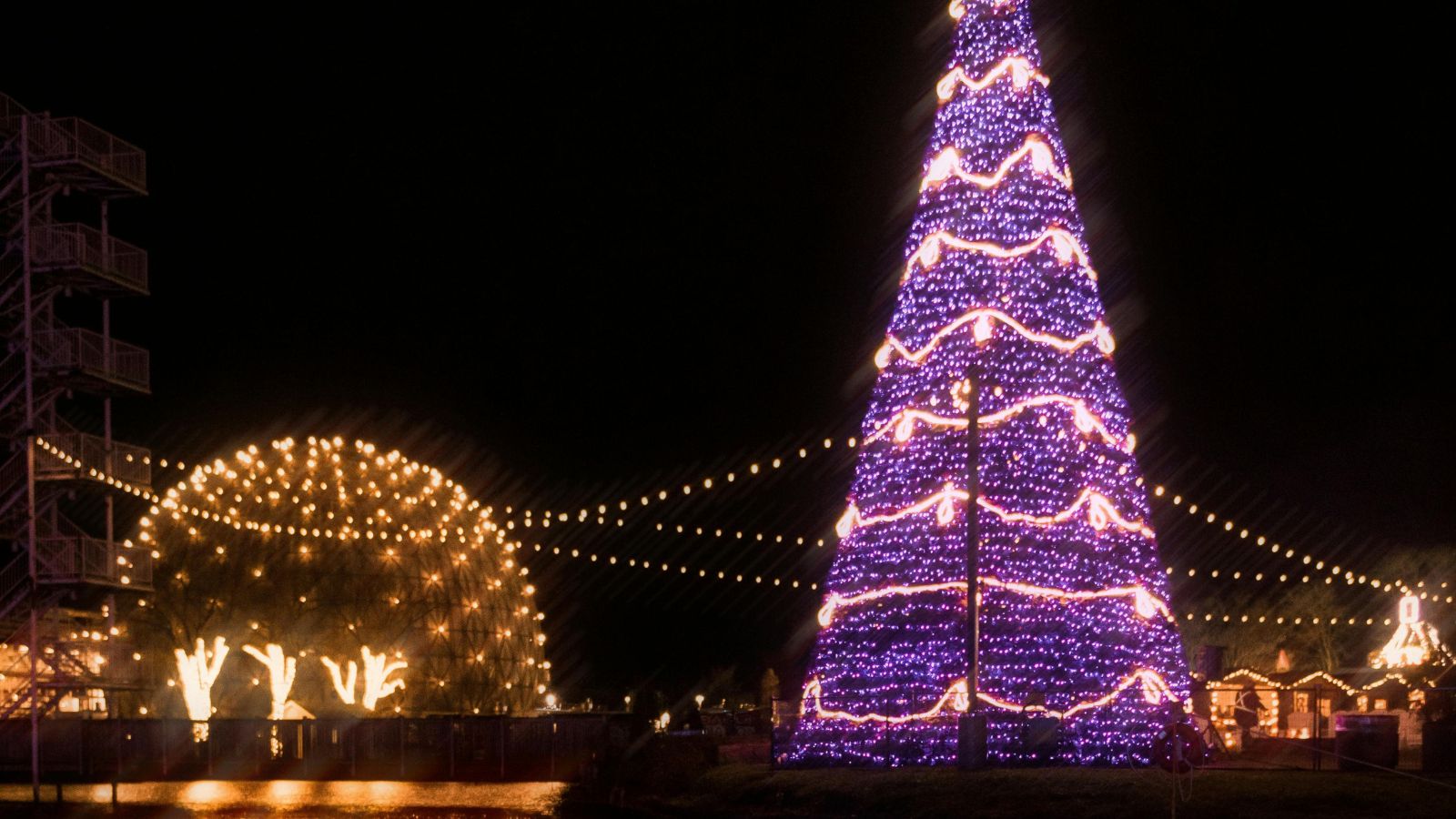
Christmas in other Christian countries shows that celebrating the birth of Jesus goes far beyond a single way of living faith. Although the central message is the same – the coming of Christ into the world – each country expresses this date with symbols, rituals and customs that reflect its history, climate and local culture.
From solemn masses to family dinners, from traditional songs to typical dishes, Christmas traditions around the world help to understand how Christianity took root in different societies. Knowing these practices is also a way of broadening your perspective on your own faith and realizing the richness of Christian Christmas celebrations around the planet.
A common faith, different expressions
In Christian countries, December 25th is usually marked by three recurring pillars: religious worship, family life and symbols linked to the birth of Jesus. Midnight Mass, for example, appears in different cultures – although with different names, times and styles.
At the same time, international Christmas customs reveal curious particularities. The climate, cultural heritage and even indigenous or local influences shape the way each people experience Christmaswithout losing the religious meaning of the date. Discover Christmas traditions in different countries:
United States: faith, family and domestic tradition
In the United States, Christmas combines a strong Christian presence with well-defined family customs. Protestant and Catholic churches hold special services and reenactments of the birth of Jesus, known as Nativity Plays.
Home decoration is one of the global Christmas symbols most associated with the country. Illuminated trees, nativity scenes and Advent wreaths appear in homes weeks before the 25th, especially to celebrate Thanksgiving. Supper usually includes roast turkey, mashed potatoes and pies, reinforcing the idea of family unity as a central part of the faith.
Mexico: popular devotion and community celebration
Christmas in Christian countries in Latin America, such as Mexico, highlights the strength of popular religiosity. The Posadas, held in the nine days before Christmas, reenact the pilgrimage of Mary and Joseph in search of shelter. Processions, prayers and songs unite entire neighborhoods.
On the night of the 24th, it is common for many religious families to participate in Midnight Mass before supper. At the table, dishes such as tamales and cod symbolize sharing and tradition, reinforcing the community sense of religious Christmas celebrations.
Canada and Iceland: spirituality in the midst of harsh winter
Not Canada, Christian Christmas celebrations mix British, French and indigenous influences. Churches are full on Christmas Eve, especially in regions with a Catholic tradition, such as Quebec. The cuisine includes roast meats and typical desserts, while Christmas songs reinforce the spirituality of the date.
Just like in Canada, in Iceland Christmas is experienced in an intimate and spiritual way. Churches hold solemn celebrations, and the harsh climate reinforces the idea of recollection and prayer. Families often exchange books as gifts, encouraging moments of silence and reflection.
This custom, combined with Christian cults, reveals how faith manifests itself in a simple but profound way in one of the most isolated countries in Europe.
Singapore: Christian faith and religious diversity
Despite being a multicultural and multi-religious country, Singapore is home to an active Christian community. Christmas is celebrated with services, masses and musical performances that highlight the birth of Jesus.
Christmas decorations are striking, especially in commercial areas, but the religious focus remains within churches and Christian homes. This coexistence between cultures makes Singapore an interesting example of cultural differences in Christmas in an Asian context.
Australia: Christian Christmas in the middle of summer
In Australia, Christmas takes place during the summer – unlike European and North American countries. Even so, the Christian significance of the date remains central. Masses and services are held on the 25th, many of them outdoors.
Suppers tend to be lighter, with seafood and cold meals. Families gather in parks or beaches after religious celebrations, showing how faith adapts to the environment without losing its meaning.
Sweden: light, silence and Lutheran tradition
In Sweden, Christmas is celebrated with sobriety and deep Christian symbolism. The Lutheran tradition values moments of reflection, biblical reading and special services. One of the strongest symbols is light, used to represent Christ as “the light of the world”.
Candles, choirs and traditional music create a contemplative atmosphere. Supper includes dishes such as herring and pork, linked to local culture.
What do these traditions reveal about faith and culture?
Observing Christmas in other Christian countries helps to understand how Christianity dialogues with different historical and cultural realities. Although Christian Christmas rituals vary, the essence remains: celebrating the birth of Jesus, strengthening family ties and renewing hope.
These differences do not exclude, but enrich the understanding of Christmas as a universal date of the Christian faith. Knowing these traditions is also a way of valuing Christmas culture itself and realizing that, anywhere in the world, Christmas continues to be a time of faith, reflection and communion.
https://www.ceacuautla.edu.mx/profile/vosita818892361/profile
https://www.theantiracisteducator.com/profile/vosita818830963/profile
https://www.coursera.org/user/ca322b3826d4649d608275484bb051db
https://www.komoot.com/user/5415644128762
https://rozanceenkora.wixstudio.com/vidi/profile/bulona47303/profile
https://www.zazzle.com/mbr/238913237463984417
https://www.gailthackray.com/profile/bulona54021/profile
https://decidim.santcugat.cat/profiles/teen_patti_hub/activity
https://www.farmterest.com/user/51614/TeenPattiHub
https://www.techrum.vn/members/teenpattihub.262395/#about
https://socialmobie.com/TeenPattiHub?tab=541
http://internetesotthonimunka.network.hu/forumtema/befizetes-nelkuli-bonuszok-hogyan-mukodnek-es-kinek-ajanlottak
https://urstyle.fashion/topic/2440526/looking-for-a-reliable-site-to-play-on/2
https://megagrass.com/community/question-and-answer/forums/4135-installation/topics/3012314-how-online-casinos-compete-for-players-through-no-deposit-bonuses
https://brewology.com/forum/viewtopic.php?f=152&t=46021
https://bresdel.com/blogs/1252144/How-Ancient-Egyptian-Mythology-Inspired-Slot-Games
https://www.myvipon.com/post/1652001/The-Role-VIP-Levels-Cashback-Long-amazon-coupons
https://www.planetminecraft.com/forums/minecraft/datapacks/looking-for-advancement-titles-a-pack-that-i-m-making-633929/
https://gitea.com/darksyntax/-/projects
https://geocaching.hu/users.geo?id=166792