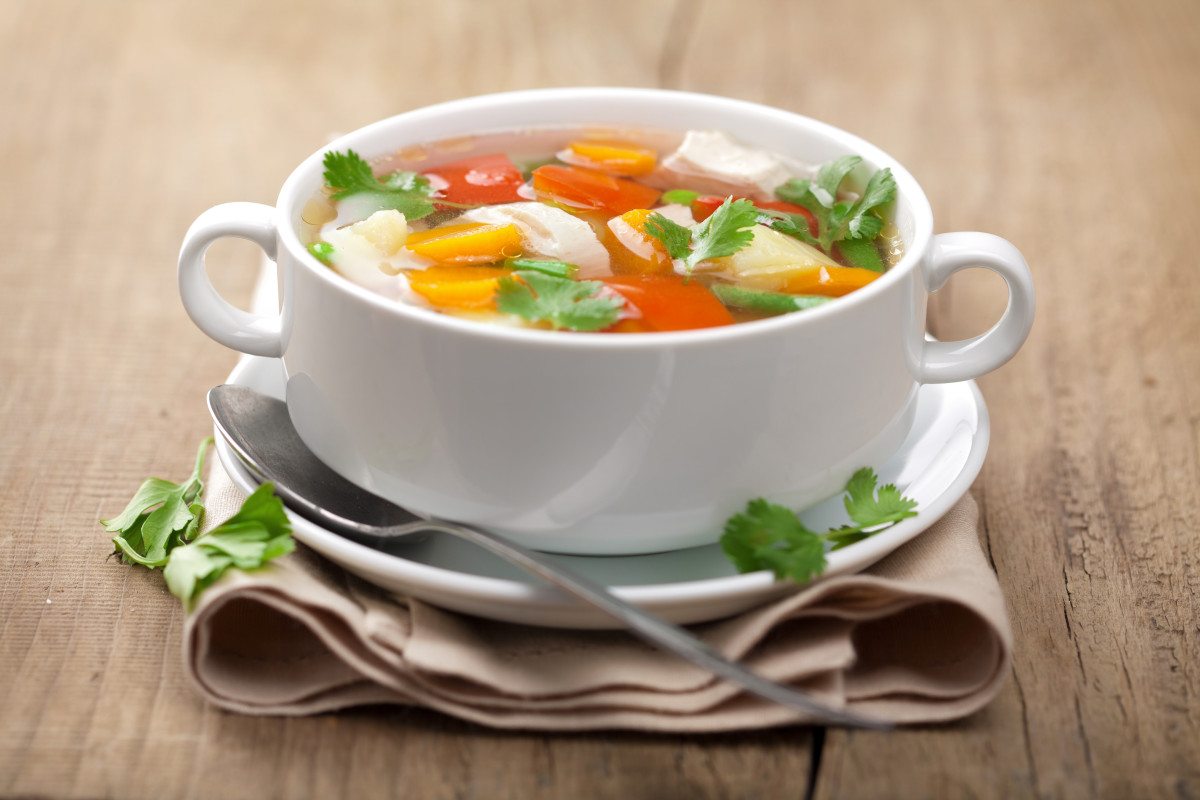
Vegetable soup is usually based on root vegetables and common vegetables such as carrot, onion, zucchini, celery, pumpkin and potato. These are vegetables that provide a large volume, few calories, and a lot of nutritional contribution in relation to the effort. A portion of vegetable soup can contain several hundred grams of vegetables, an amount that is not always easy to reach by eating “dry”.
Beyond the satiety and the feeling of heating and comfort, the soup provides dietary fiber, minerals and vitamins that are relatively resistant to heat, and this is a point that many miss.
But here it is important to put things in proportion. Most of the vegetables that make up a classic vegetable soup are not a significant source of vitamin C in the first place. Carrot, zucchini, onion and potato contain relatively small amounts of this vitamin, so even if it breaks down – it is not a big nutritional loss.
The reason for this is that vitamin A is a fat-soluble and relatively stable vitamin, and heating even helps to release it from the vegetable’s cell walls. So vegetable soup is an excellent source of vitamin A, which is important for vision, the immune system and skin health.
For example, a medium potato provides about 400 mg of potassium, and a carrot adds magnesium and calcium in small but significant amounts. All these minerals remain in the dish, because the entire broth is consumed.
And what do we do with vitamin C? supplemented during the day. Even if vitamin C does not survive cooking, this is not a real nutritional problem. This is one of the easiest vitamins to supplement throughout the day. One fresh pepper, kiwi or orange easily provide the recommended daily amount, which is about 75-90 mg per day. There is no need to “load” all the vitamins through the soup. The soup gives what it knows how to give well, and vitamin C is supplemented from another fresh meal.
The bottom line for the listener: vegetable soup is far from water with color. It provides heat-resistant vitamins such as vitamin A, minerals that are not destroyed by cooking, dietary fiber and a feeling of satiety. Even if vitamin C breaks down along the way, it is easily replenished later in the day. Therefore, there is no reason to give up vegetable soup, and certainly not to fear that it has no nutritional value.