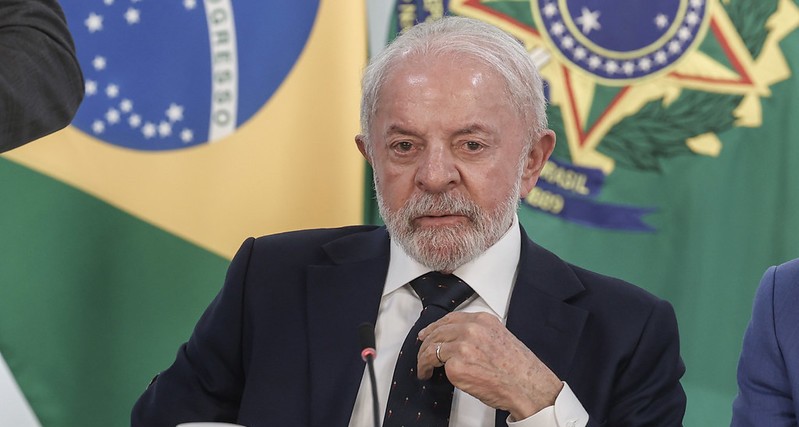
To magazine The Economist published this Tuesday (30) an editorial in which he states that the president of Brazil, Luiz Inácio Lula da Silva, should not run for a new term in 2026 because of his age. According to the publication, candidates over the age of 80 represent “high risks” to political and institutional stability, even when they are experienced and popular.
A The Economist recalled that Lula is currently 80 years old and, if re-elected, he would complete a possible fourth term at 85. The magazine states that “charisma is not a shield against cognitive decline” and compares Lula’s situation to that of the former president of the United States, Joe Biden, who faced severe criticism during the 2024 electoral cycle when seeking re-election and ended up giving up his candidacy amid questions about the limitations imposed by age.
The editorial points out that Lula finds himself in a “politically favorable” position after a year marked by institutional tensions and international disputes. The text also mentions that the PT member survived “external pressures”, including the trade dispute with the United States, however, it maintains that “Brazilians deserve better choices”, arguing that the continued centrality in Lula limits political renewal in the country.
According to the editorial, the president’s age adds to other factors of wear and tear. The magazine states that Lula is “burdened by the corruption scandals that unfolded during his first two terms”, for which “many Brazilians cannot forgive him”. Furthermore, he assesses that the Lula government’s current economic policies are “mediocre”.
AThe Economist points out that Brazil “deserves better options” and should go through a process of political renewal. The publication recalled that Lula promised, during the 2022 campaign, not to run for a fourth term, but notes that, so far, there are no clear signs that he is preparing a successor within the left camp. The magazine mentions that the president could strengthen his “legacy” by withdrawing from the electoral race and making room for a new “generation of leaders”.
In the field on the right, the The Economist describes “an intense dispute” to succeed former president Jair Bolsonaro, who “still maintains a surprising number of supporters”, especially among evangelicals, even after being convicted. The editorial recalls that Bolsonaro nominated his son, senator Flávio Bolsonaro (PL), as a possible presidential candidate, but classifies him as “unpopular and ineffective”.
Among other names mentioned, the British magazine highlights the governor of São Paulo, Tarcísio de Freitas, described as someone who “already appears a little better in the polls against Lula”, even without confirming his candidacy. According to the text, Tarcísio is seen as “thoughtful and democratic”, in addition to being “much younger” than the current president.
The magazine concludes that the 2026 elections will be decisive for Brazil’s political future and that a dispute between renewed candidates, both on the left and on the right, could breathe new life into Brazilian democracy.