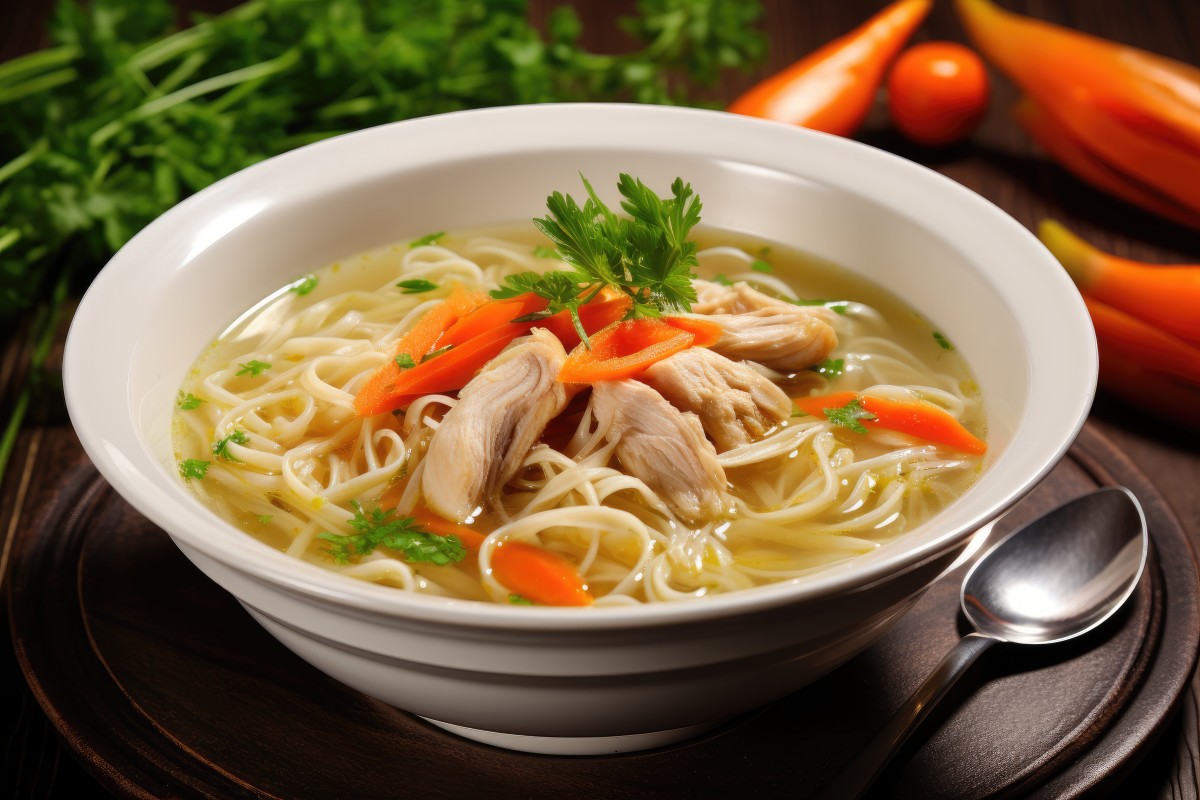
To dispel the myth, we need to distinguish between two different things, preventing disease in advance by improving the function of the immune system, versus alleviating symptoms when we have already been infected with the virus. Chicken soup, even if it is neither a vaccine nor an antiviral medicine, can affect the feeling and some of the processes in the body during illness.
The myth itself is based on a simple everyday observation, many people feel better after a bowl of hot soup. The heat and steam may help to open the airways and reduce the feeling of congestion, the liquids contribute to preventing dehydration, and the salt can relieve when there is a decrease in appetite or sweating. Meanwhile, when we are sick, the very act of eating something warm, accessible and not burdensome can encourage the consumption of calories and protein, which is especially important for children, the elderly and those who have difficulty eating during illness.
How did the story grow if you can even point to a starting point? Here the picture is complex. “Chicken soup as medicine” has appeared in medical and historical writing for hundreds of years, as part of concepts of strengthening nutrition during times of weakness. Its modern status was reinforced through popular culture, cookbooks, and family memory, but also through one study that gained great resonance in the early 2000s. In a laboratory study conducted on white blood cells of the neutrophil type, it was found that chicken broth can inhibit chemotaxis, meaning the migration of inflammatory cells towards inflammatory signals, under laboratory conditions.
The researchers suggested that this may contribute to reducing airway inflammation during a viral infection. It is important to emphasize, this is a laboratory study and not clinical proof that chicken soup prevents disease or definitely shortens it.
The current medical truth is that chicken soup does not “activate” the immune system like a drug or a vaccine, and will not replace a proven prevention such as a flu shot, hand hygiene, or avoiding exposure. What’s more, it can contribute to the relief of symptoms through several plausible mechanisms: moisture and heat that relieve congestion, supply of fluids and salts, and sometimes also a moderate reduction of an inflammatory reaction, at least according to laboratory findings.
One of the studies conducted about a decade ago suggested that chicken soup may improve the reactivity of components of the immune system, but the conclusion was not significantly strong and was not supported by additional studies.
There is also a practical aspect here of “supporting the body during illness”: those who vomit or suffer from diarrhea will sometimes prefer clear liquids, but for colds and flu, soup can be a convenient solution that brings liquids, a little protein, and vegetables. On the other hand, if the soup is very fatty, very spicy, or very salty, it may worsen nausea or cause heartburn in some people. In babies, soup should be adapted to the age and excess salt should be avoided, and in any case it should not be considered a treatment for a serious illness.
The conclusion, in simple words, is that the soup does not strengthen immunity in the sense that it prevents infection, but it can certainly be part of a smart supportive treatment during illness, as long as its limits are understood. If there is a persistent high fever, shortness of breath, abnormal sleepiness, dehydration, severe chest pain, or a rapid worsening, chicken soup should not delay seeking a medical examination.