Adjust the salinity of salt water, do not swallow mouthwash, combine brushing and flossing to remove bacteria, reduce sore throat and nasal congestion.
Gargling with warm salt water reduces pain, inflammation and irritation of the throat, thins mucus, eliminates bacteria and viruses and moisturizes mucous membranes. This method is recommended for people with respiratory infections such as pharyngitis, bronchitis, rhinosinusitis or Covid-19, to reduce discomfort when swallowing and clear the airways. The habit of gargling and nasal drops with salt water also limits infections, soothes small ulcers and promotes recovery. Below are some notes for using salt water effectively.
Adjust salinity
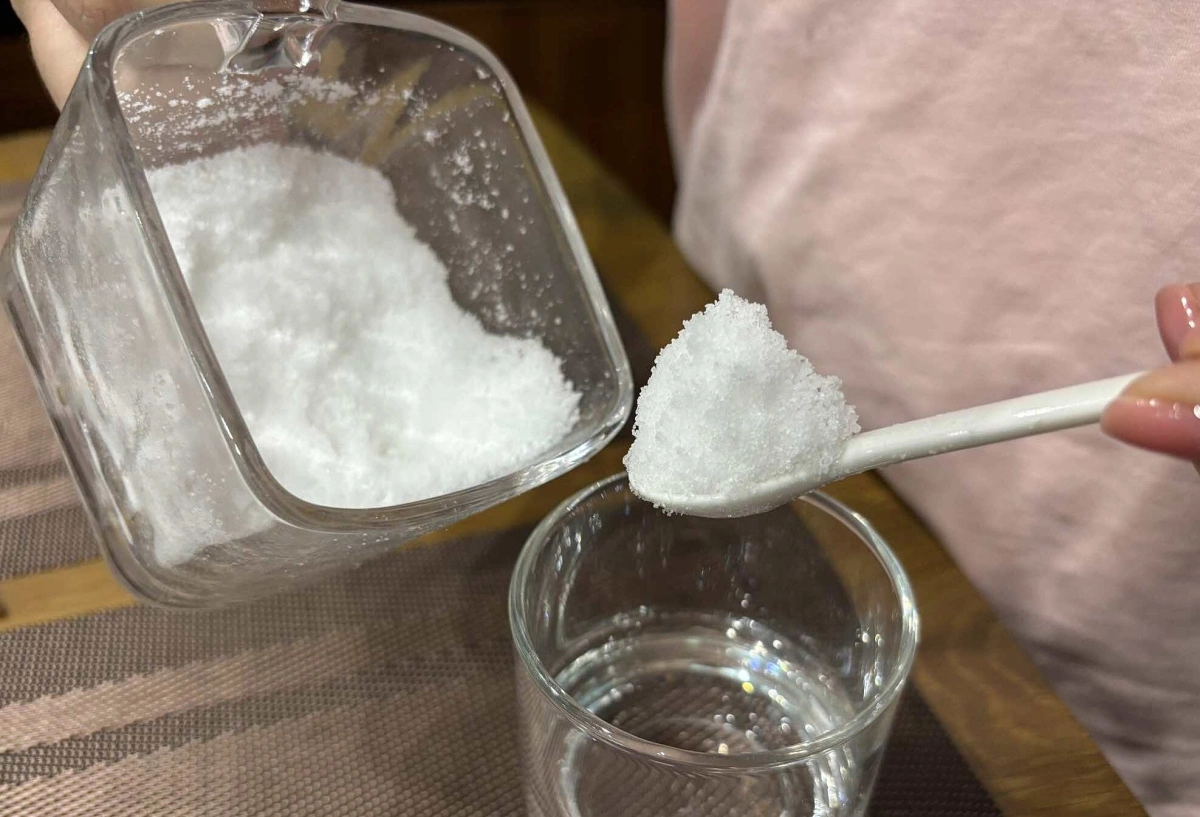
Mouthwash that is too salty can irritate the mouth and throat and cause ulcers to spread. You should use pre-mixed mouthwash or mix your own with 1/2 teaspoon of salt in 240 ml of warm water to reduce irritation and create a comfortable feeling.
Do not swallow
Salt water is only used for rinsing your mouth, you must spit it out after rinsing. Swallowing salt water increases the amount of sodium absorbed, causing dehydration; Over time, it can cause high blood pressure, dry mouth and bad breath.
Rinsing your mouth at the same time treats the disease
Gargling with salt water helps reduce symptoms of sore throat and stuffy nose. People with sore throat should combine treatment according to doctor’s instructions with rinsing their mouth twice a day. Salt water also improves oral health, reduces ulcers and prevents bad breath, but does not replace brushing and flossing. To keep your mouth and throat clean, healthy and your breath fresh, you should rinse your mouth twice a day and brush your teeth regularly in the morning and evening.
Rinse your mouth before brushing your teeth
This method can remove remaining plaque and bacteria, increasing the effectiveness of tooth enamel protection. For people with sore throat or pharyngitis, rinsing after brushing teeth helps the salt water stay in contact with the throat longer, thereby increasing the ability to control damage.
Do not use regularly
Rinsing your mouth with salt water more than three times a day can irritate your gums and soften tooth enamel. Each person should consult a doctor about their own health condition to get appropriate frequency advice.
How to do: Add a teaspoon of salt to 240 ml of warm water, stir until completely dissolved. Rinse mouth for 15-30 seconds, clean oral cavity, teeth and gums, then spit out. Do this up to 3 times per day.