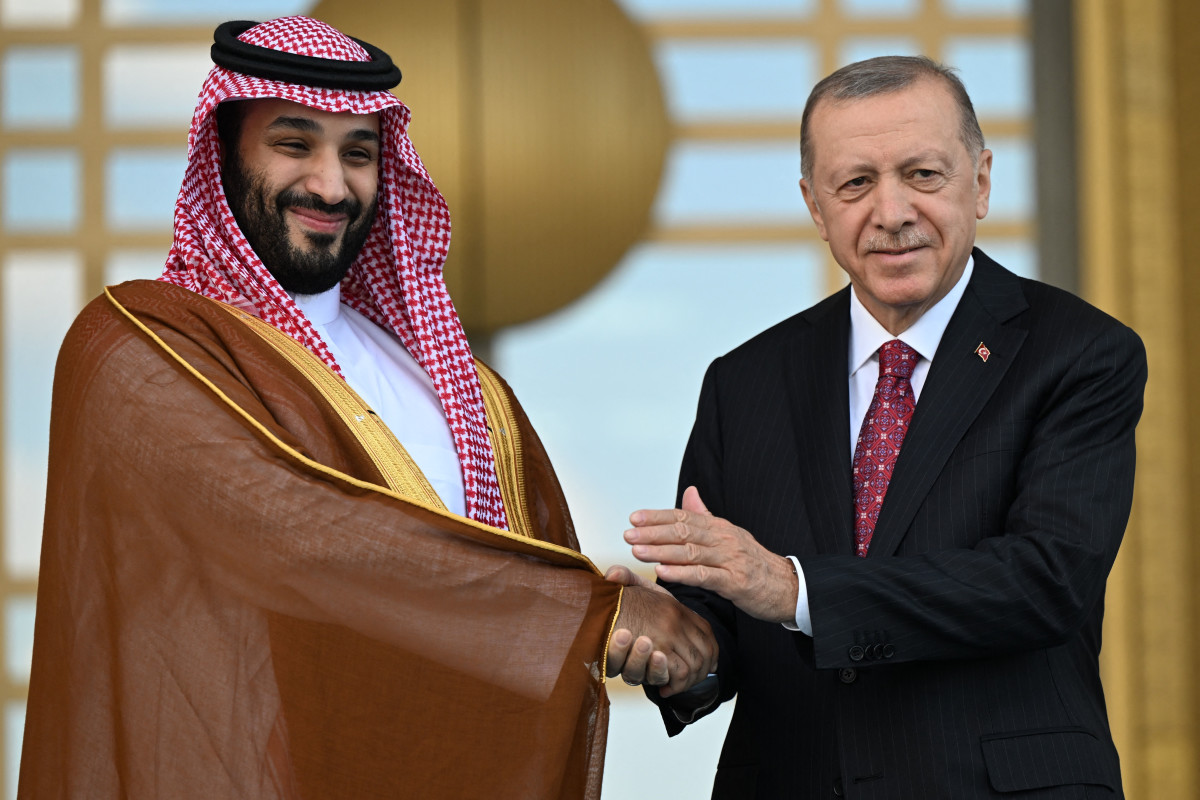
It was also reported that a Saudi source said that Riyadh places the responsibility for the stagnation on Israel, and believes that only a Turkish presence will be able to keep Hamas under control. According to him, “Hamas will not dare to attack Turkish forces.” According to estimates, Trump may push Israel to agree to a move of “fake disengagement”: Hamas will change uniforms, the Turks will function as a “peacekeeping” force, and Ankara will strengthen its position as someone who positions itself as the champion of the Muslim world – at the expense of Egypt.
The United Arab Emirates opposes: “a dangerous path”
Meanwhile, the United Arab Emirates, which distanced itself from the Trump plan earlier this week, is anxiously watching the developments. According to the report, an Emirati source said that this is a problematic route, and warned that neither Turkey nor Qatar can be trusted when it comes to Gaza. According to him, there is a deep gap between the Emirati and the Saudi approach: while Abu Dhabi strives for a real solution that will prevent a return to endless cycles of war, Riyadh is mainly interested in peace and American gestures.
The source also noted that within Saudi Arabia itself there is a deep rift: the old generation, which sanctifies the Palestinian issue, repeatedly clashes with bin Salman’s ambition to accelerate modernization processes and move quickly towards a new agenda. In the end, regional officials emphasize that a lot is at stake for the upcoming meeting. Its results may affect not only the future of the Gaza Strip – but the balance of power in the entire Middle East.
According to political sources, the Israeli formula allows only limited flexibility. The lifting of the veto over Turkey is possible only in the case of a tangible Turkish change, which would include a public explanation or correction of anti-Israeli statements, alongside a clear statement of a change of direction in relations with Israel. It will soon become clear whether the Israeli compromise is acceptable – not only from the point of view of the President of the United States, Donald Trump, but also from Ankara’s side.