Inflation eased only slightly in December, but remains almost twice as high as in the rest of the euro zone. According to a flash estimate from Statistics Austria, consumer prices were up 3.8 percent above the previous year and thus below four percent for the first time since July 2025.
Lower oil prices were the main reason for the slight decline. Electricity, however, remained expensive. On average, energy prices rose by 9.0 percent, after 10.9 percent in November. This price effect due to the expiry of the electricity price brake at the beginning of 2025 will only be put into perspective again in the January statistics.
The strongest price driver was once again the service sector, which also includes accommodation and catering. Here prices rose again above average by 4.4 percent in December. But there was also an above-average price increase of 4.1 percent for food, tobacco and alcohol in December, after an increase of 3.6 percent in November. The detailed results will not be published by Statistics Austria until January 19th, but the biggest price drivers are already shaping the political debate at the beginning of the year.
Tourism inflation should be checked
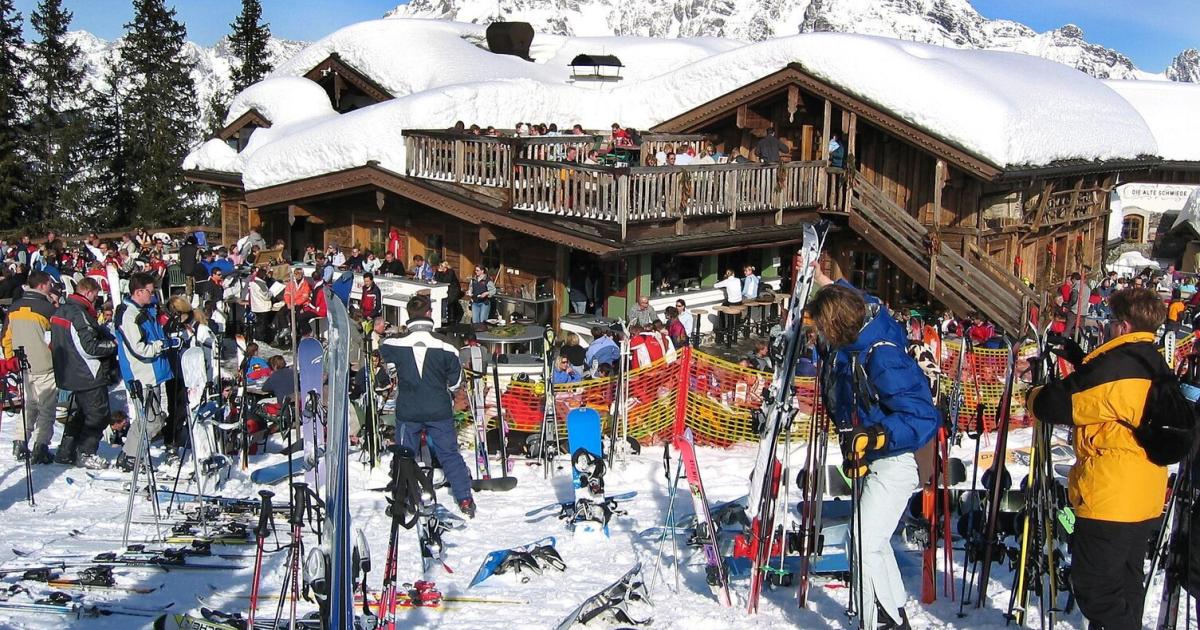
So let Tourism State Secretary Elisabeth Zehetner with the announcement that they want to review the inflation calculation for accommodation and catering. “Tourism is one of Austria’s most important service exports and must be treated as such in the price statistics,” said Zehetner when presenting the tourism strategy.
Together with Statistics Austria, it will be examined whether the current delimitation and weighting of tourism-relevant items in the inflation calculation is contemporary and appropriate. Specifically, the main aim is to give greater statistical consideration to foreign guests, who account for up to three quarters of overnight stays in some tourist areas.
Statistics Austria is still looking for an appointment
Statistics Austria comments very cautiously on the government’s initiative; as is well known, the statistics authority reports to the Federal Chancellery. An appointment is currently being coordinated between the Ministry of Economics and representatives of the federal states, according to KURIER’s request. “Representatives from Statistics Austria will explain the basics and methods of calculating inflation, which is carried out according to internationally and scientifically recognized standards.” Sounds more like an educational conversation.
Is there any wiggle room at all?
There shouldn’t be too much leeway for the statisticians. The standards for calculating the harmonized consumer price index (HICP) are set by the European statistics authority Eurostat and are the same in all member countries. This is also necessary, as inflation in the Eurozone forms the basis for the pricing policy of the European Central Bank (ECB).
However, the shopping cart is updated regularly to realistically reflect consumer habits.
Inflation in the euro zone at two percent
In a Eurozone comparison Austria currently has the third highest inflation on – just behind Estonia and Slovakia with 4.1 percent. Somewhat surprisingly for economists, the entire Eurozone has leveled off at the ECB’s target of two percent. Energy prices in particular had a dampening effect on prices, while services cost 3.4 percent more than a year ago. “In the coming months, the inflation rate will be below rather than just above,” said chief economist Alexander Krüger from Hauck Aufhäuser Lamp Privatbank, commenting on the current figures. “It therefore continues to look like a longer phase of price stability.”
Striking: In the two largest economies in the Eurozone, Germany and France, inflation in December was well below that in the Eurozone. In France it fell to 0.7 percent and in Germany surprisingly to 1.8 percent. This is the lowest level since September 2024, when inflation was 1.6 percent.