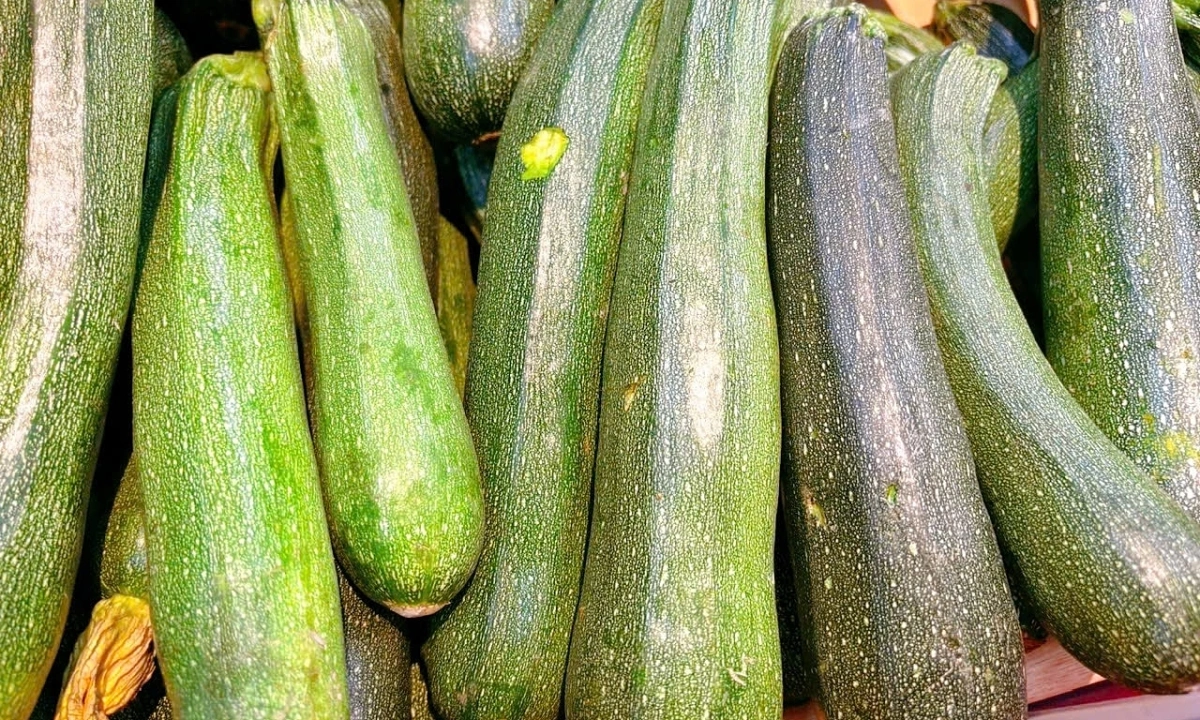
Zucchini contains many nutrients and antioxidants, is good for the eyes, digestive system, promotes weight loss and controls blood sugar.
Zucchini is a type of summer squash in the cucurbitaceae family, along with melons, spaghetti squash, and cucumbers. It also comes in many different varieties, with colors ranging from dark yellow to dark green.
Provides many nutrients
Zucchini is rich in vitamins, minerals and other beneficial plant compounds. One cup (180 g) of cooked squash provides:
Zucchini also contains small amounts of iron, calcium, zinc and several other B vitamins. Abundant vitamin A content supports vision and the immune system. Compared to cooked squash, raw zucchini contains less vitamin A but is richer in vitamin C – a micronutrient that is easily lost during cooking.
Rich in antioxidants
Antioxidants are plant compounds that help protect the body against free radical damage. Zucchini is rich in carotenoids such as lutein, zeaxanthin and beta-carotene, which are beneficial for the eyes, skin, heart and contribute to reducing the risk of some cancers, including prostate cancer. The antioxidant content is most concentrated in the skin, yellow zucchini usually contains slightly higher amounts than light green zucchini.
Promotes healthy digestion
Zucchini contains both soluble and insoluble fiber. Insoluble fiber increases stool volume, helps food move more smoothly in the intestinal tract, reduces constipation, and is especially effective when drinking enough water. Meanwhile, soluble fiber nourishes intestinal bacteria, promoting the production of short-chain fatty acids (SCFA) that are beneficial for intestinal cells. Short-chain fatty acids contribute to reducing inflammation and improving certain digestive disorders such as irritable bowel syndrome, Crohn’s disease, and ulcerative colitis.
Reduce blood sugar
People with type 2 diabetes can control blood sugar levels better when eating zucchini regularly. This is a low-carb food, with only about 3 grams of carbohydrates per cup of cooked squash (232 grams), making it suitable for carbohydrate-restricted diets.
A low-starch diet helps reduce blood sugar and insulin, contributing to stabilizing blood sugar. Fiber in zucchini slows down sugar absorption, limits postprandial hyperglycemia and improves insulin sensitivity.
Good for eyes
Adding squash to your diet can support vision health thanks to its rich vitamin C and beta-carotene content. In addition, antioxidants such as lutein and zeaxanthin accumulate in the retina, helping to protect the eyes, improve vision and reduce the risk of age-related macular degeneration. A diet rich in these two active ingredients also contributes to reducing the risk of cataracts – a condition in which the lens becomes cloudy, affecting vision.
Supports weight loss
This fruit is rich in water, has a low calorie density, creates a feeling of fullness for a long time, thereby promoting weight loss. Its fiber content can also reduce hunger while controlling appetite. Eating more fruits and vegetables is associated with weight loss and slower weight gain over time.
Increase bone health
Zucchini is rich in antioxidants lutein, zeaxanthin, vitamin K and magnesium that can help strengthen bones.
https://allinbetit.eu/scommesse/
https://allinbetit.eu/app/
https://betfair-casino.eu/casino/
https://betfair-casino.eu/sweet-bonanza/
https://betfair-casino.eu/bono/
https://betfair-casino.eu/apuestas/
https://lottomatica-it.com/login/
https://lottomatica-it.com/casino/
https://lottomatica-it.com/bonus/
https://lottomatica-it.com/scommesse/
https://lottomatica-it.com/bingo/
https://lottomatica-it.com/poker/
https://lottomatica-it.com/roulette/
https://lottomatica-it.com/app/
https://lottomatica-it.com/gioco-responsabile/
https://marathon-bet.eu/apuestas/
https://marathon-bet.eu/casino/
https://marathon-bet.eu/bono/
https://marathon-bet.eu/app/
https://marathon-bet.eu/pagos/
https://librabet-it.org/casino/
https://librabet-it.org/app/
https://librabet-it.org/scommesse/
https://librabet-it.org/bonus/
https://librabet-it.org/prelievo/