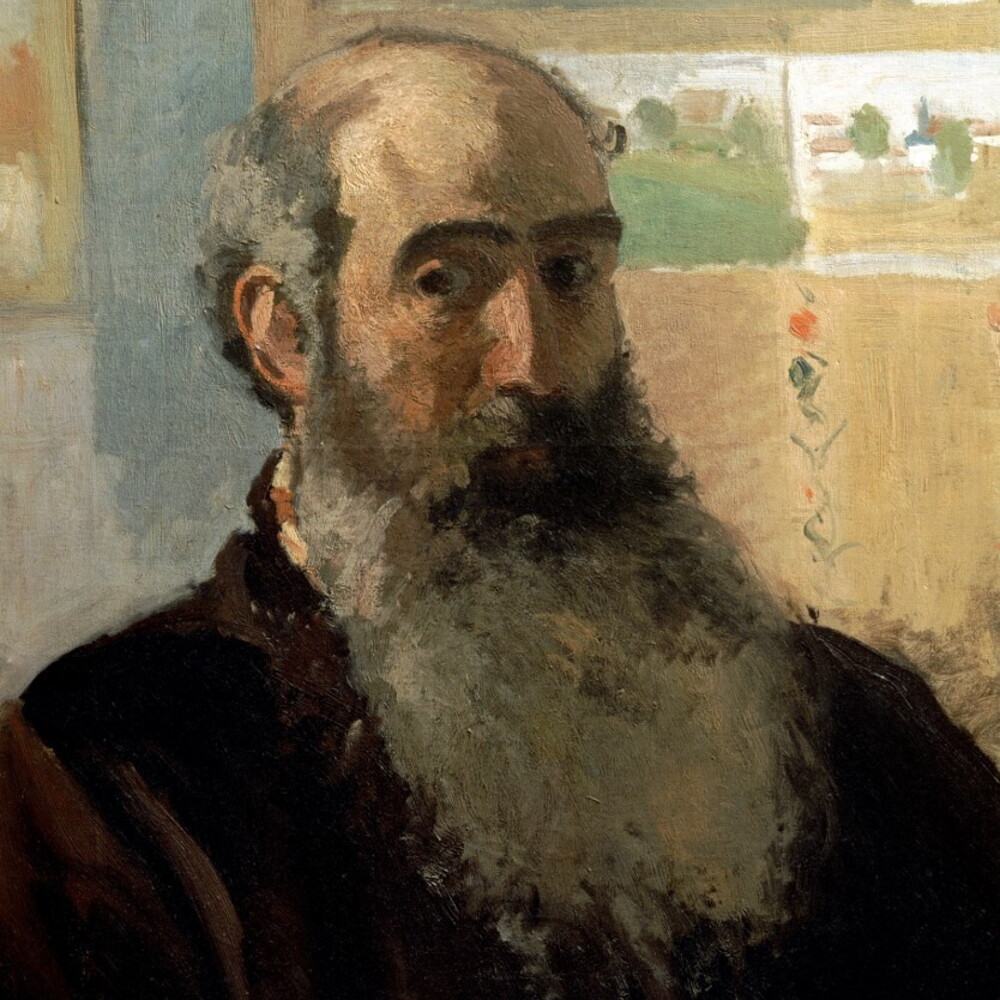
Metropolitan Museum of Artof New York (Met) ended up in the center of adispute over provenanceof a painting byCamille Pissarroafter the heirs of the Jewish collectorMax Braunthalthey filed a lawsuit claiming the work was under-soldconstraint durante l’Nazi occupation. The Met rejects the accusations and claims thelegitimacy of the transactionopening a new chapter in the delicate topic ofrefunds legate all’era del Terzo Reich.
The museum defended its position in a statement sent to the EFE agency, saying it had conducted “a thorough and rigorous analysis” of Braunthal’s sale of the painting to the dealer Durand-Ruel. “We believe the transaction waslegitimateand that the work must remain inMet collection”a spokesperson said.
Details of the disputed sale
According to the lawsuit, reported by the New York Times, the seven heirs claim that Braunthal and his wife Charlotte, in seriouseconomic difficultiesthey sold the painting in1941for 100,000 francs to the galleryDurand-Ruelhistoric promoter ofImpressionism. The gallery resold it two weeks later to the German collector Wolfgang Krueger for 140,000 francs. The work then passed through various owners until it reached, in 1959, Douglas Dillon, future president of the Met board, who left it inlegacy to the museum.
The position of the heirs and the Met’s response
The heirs say they have been trying for five yearsnegotiated solutionbut that they were forced to turn to the courts in the face of the museum’s “clear refusal”. The Met rejects this reconstruction and claims to have participated “ingood faith”to talks with the family’s lawyer, Stuart Eizenstat, assuring that he will respond to the case according to the times set by theFrench justice.
Museum commitment and the fate of Braunthal
The institution also reiterates its commitment to examining “in a mannerrigorous and responsible” tutte le claims related to the Nazi eraremembering that we have long experience inreturn of workswhen evidence emerges ofillegal thefts.
Braunthal and his wife were arrested by French police in 1942 and detained in the Paris velodrome in “inhumane” conditions, according to the New York Times. TheNazi regime confiscatedthe rest of their collection. Having survived the war, Braunthal died of cancer in 1946.
https://merchcardib.com/collections/all
https://merchcardib.com/collections/t-shirts
https://merchcardib.com/collections/hoodies
https://merchcardib.com/collections/accessories
https://merchcardib.com/collections/cardi-b-merch
https://merchcardib.com/collections/cardi-b-t-shirts
https://merchcardib.com/collections/cardi-b-hoodies
https://merchcardib.com/collections/cardi-b-accessories
https://merchcardib.com/collections/cardi-b-store
https://merchcardib.com/collections/cardi-b-tour-merch
https://merchcardib.com/collections/cardi-b-merch-store
https://merchcardib.com/collections/cardi-b-official-merch
https://merchcardib.com/collections/cardi-b-concert-merch
https://merchcardib.com/collections/cardi-b-t-shirt
https://merchcardib.com/collections/cardi-b-hoodie
https://merchcardib.com/collections/cardi-b-am-i-the-drama-merch
https://5uglov.ru/portfolio/9453
https://www.flickr.com/people/204140366@N02/
https://www.lookingforclan.com/user/hecefah793
https://imaginaria.ru/profile/sungrachrua/
https://quicknote.io/dff74460-052c-11f1-9040-1fdf0f21fcb1
https://qna.habr.com/q/139641
https://circaoldhouses.com/agent/piechcuychqu/
https://5uglov.ru/portfolio/9454
https://blankslate.io?note=1267657