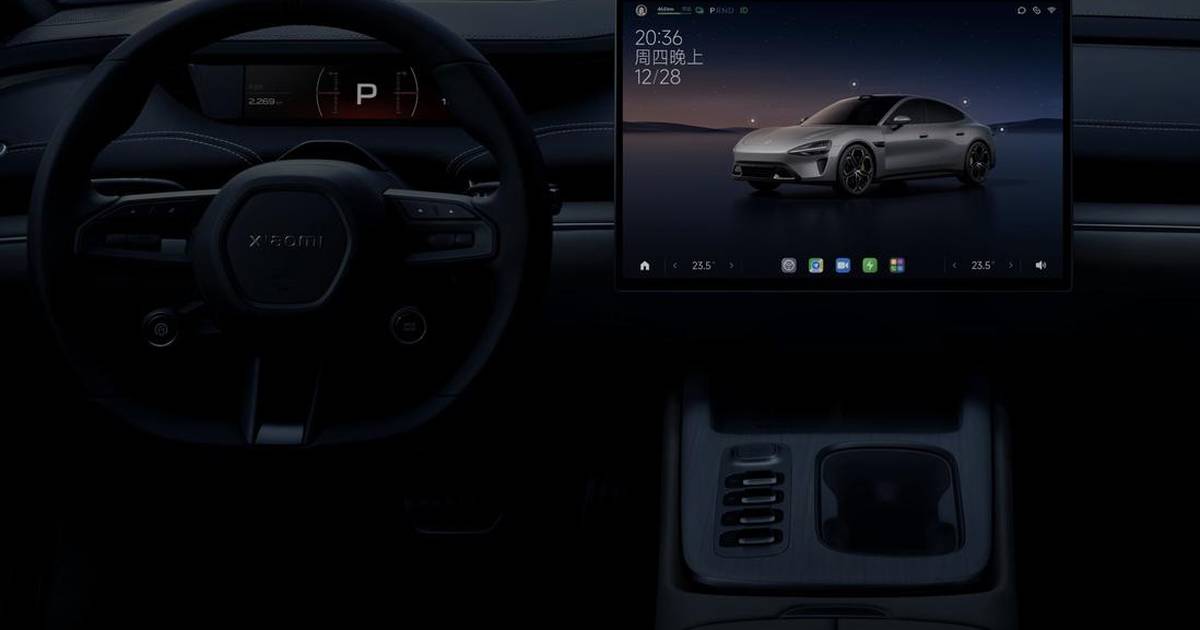
From 2026, Europe, through Euro NCAP, will introduce criteria according to which cars will be awarded up to five stars if the basic functions depend on touchscreen menus. In practice, public explanations mention controls such as direction indicators, wipers, all fours, and horns as things that drive. he must be able to guess without looking at the screen and without taking his eyes off the road. So, if you have to ‘click’ and search the interface, the reaction is slower, and in a crisis situation, a second can make a difference.
China is going even more direct, according to draft new security standards that would take effect in 2027, which require physical controls for a number of important functions. These proposals also mention the minimum size of buttons or switches for key commands, with the emphasis that basic things should not be hidden by menus on the central screen. It is part of a wider “cleaning” of modern cabins, where the regulators have more before, some ‘hidden’ things like solutions for doorknobs or other elements that could complicate rescue in a collision or emergency situations also bothered.
For the manufacturer, this is both a design and financial turnaround. One large screen is cheaper and easier to assemble than a dozen separate buttons, knobs and switches, which is why many have gone in the direction of minimalism. But negative reactions last longer. for some time, some drivers have complained that the screens are slow, illogical or too sensitive, and some brands are more started to bring back physical controls at least for climate, volume and basic shortcuts.
The point of these moves is not that you will soon get a cabin from 2005 again, with a button for everything. A more realistic scenario is a hybrid: the big screen remains for maps, multimedia and settings, but the key things you use “on the fly” must be tactile and immediately accessible. If this works as intended, the next generation of cars might look less ‘wow’ at first, but be more comfortable to live with every day, especially when you’re driving, turning, raining and don’t want to type in menus.
https://www.samash.com/spotlight/saxophone-cleaning-and-care
https://www.samash.com/spotlight/bridging-the-gap-between-different-types-of-bridges
https://www.samash.com/spotlight/the-history-of-guitar-distortion-how-the-most-important-guitar-effect-came-to-be
https://www.samash.com/spotlight/top-5-iconic-jeff-beck-guitars
https://www.samash.com/spotlight/the-most-underrated-guitar-pedal-what-is-compressor-and-why-you-need-to-have-one
https://www.samash.com/spotlight/the-worlds-first-solid-body-electric-guitar
https://www.samash.com/spotlight/top-15-legendary-slide-guitar-players-everyone-should-know-about
https://www.samash.com/spotlight/how-to-mic-an-accordion
https://www.samash.com/spotlight/les-paul-a-renaissance-man-of-music
https://www.samash.com/spotlight/a-comprehensive-guide-to-simple-drum-micing-techniques
https://www.samash.com/spotlight/changing-guitar-pickups-for-the-first-time-what-i-learned-and-how-you-can-do-it
https://www.samash.com/spotlight/top-12-weird-guitar-pedals-that-will-spark-your-songwriting-inspiration
https://www.samash.com/spotlight/electro-voice-re420-and-re520-dynamic-microphones-everything-you-need-to-know
https://www.samash.com/spotlight/lighting-and-effects-to-enhance-a-live-musical-performance
https://www.samash.com/spotlight/guitar-options-for-left-handed-guitarists
https://www.samash.com/spotlight/digital-mixers-everything-you-need-to-know
https://www.samash.com/spotlight/epiphone-les-paul-buyers-guide-2019
https://www.samash.com/spotlight/how-to-restring-a-classical-guitar-with-daddario
https://www.samash.com/spotlight/the-evolution-of-the-fender-stratocaster-1954-1965
https://www.samash.com/spotlight/30-exotic-instruments-to-know-about1
https://www.samash.com/spotlight/a-brief-history-of-the-gibson-sg
https://www.samash.com/spotlight/choose-your-drumstick
https://www.samash.com/spotlight/how-to-choose-a-drumhead
https://www.samash.com/spotlight/why-you-need-a-hollowbody
https://www.samash.com/spotlight/tubes-and-tone-understanding-different-amplifier-tubes