Brent oil increased 10% to 80 USD per barrel in the OTC session, signaling a high possibility of the price climbing to 100 USD when official trading opens.
Brent oil prices increased 10% to about 80 USD per barrel in the OTC (over-the-counter) trading session on March 1. Meanwhile, analysts predict the price could reach $100 after US and Israeli air strikes on Iran.
OTC is a form of direct trading that takes place between parties outside the scope of the official exchange, through a separate brokerage system, bank or electronic network. This market does not have a centralized price list or public order matching mechanism, so prices are often for reference only and can fluctuate strongly due to low liquidity. In the context of the weekend, when oil derivatives exchanges are closed, OTC oil prices reflect traders’ initial expectations for geopolitical events before the market officially reopens.
Brent crude oil, the standard measure of the international market, has increased sharply since the beginning of the year and reached 73 USD per barrel at the end of the session on February 27. This is the highest level since July 2025.
The suspension of the Strait of Hormuz due to the US and Israel attacking Iran has pushed up oil prices, according to Ajay Parmar, director of energy and petrochemicals at ICIS. Most tanker owners, major oil corporations and traders have temporarily stopped shipping crude oil, fuel and liquefied natural gas through the Strait of Hormuz, after Tehran warned ships not to move through the waterway. More than 20% of global oil is transported through the Strait of Hormuz.
“Prices could open the beginning of the week near $100 a barrel and could even exceed that threshold if disruptions in the Strait persist,” Parmar said.
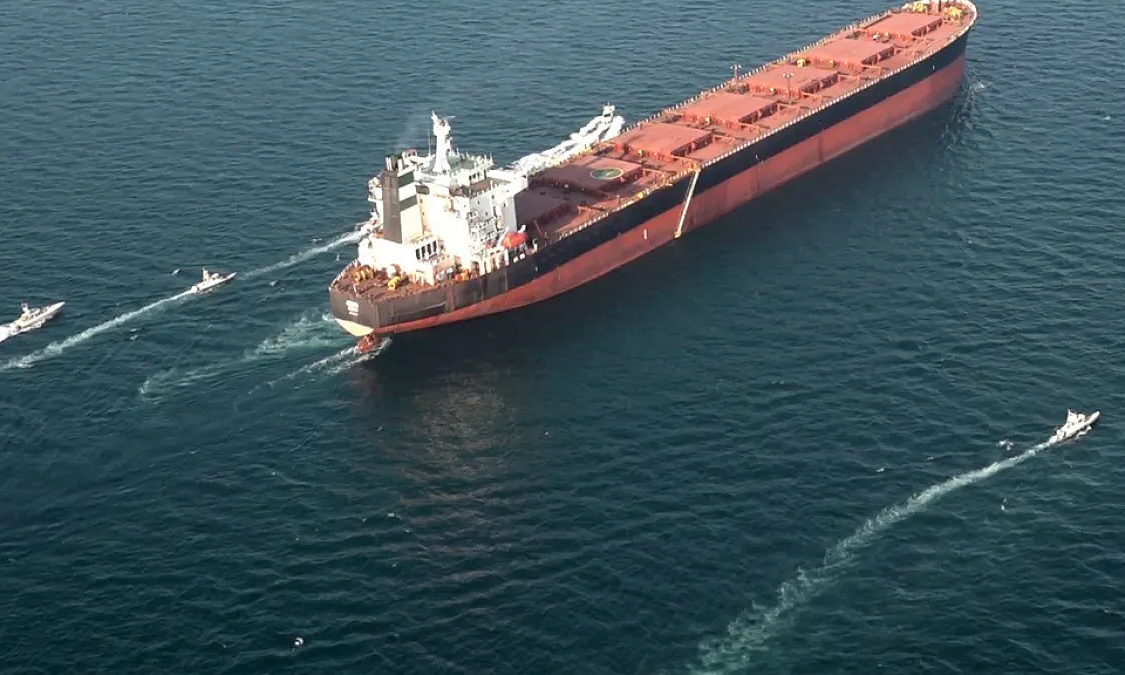
An oil tanker during Iran’s military exercises in the Strait of Hormuz in February 2026. Image: AFP
Middle Eastern leaders warn Washington that a war with Iran could cause oil prices to exceed $100 a barrel, according to RBC analyst Helima Croft. Rabobank analysts are more cautious, saying prices will stay above $90 a barrel in the short term.
On March 1, the group of oil producing countries OPEC+ agreed to increase production by 206,000 barrels per day from April. However, this is only a modest level, equivalent to less than 0.2% of global demand.
According to economist Jorge Leon (Rystad), even if alternative routes are used, the closure of the Strait of Hormuz will still cause a supply shortage of 8-10 million barrels per day. This level takes into account the transfer of part of the flow through the East – West pipeline of Saudi Arabia and the UAE.
Jorge Leon forecasts that prices could increase by 20 USD to about 92 USD per barrel when the market opens for trading.
The conflict in Iran has also prompted Asian governments and refiners to reassess fuel reserves as well as alternative shipping routes and supplies. Analysts at energy consulting firm Kpler said India could turn to Russian oil to offset a potential supply shortage from the Middle East.
The Strait of Hormuz is located between Oman and Iran, connecting the Persian Gulf to the north, the Gulf of Oman to the south and beyond the Arabian Sea. Last year, more than 14 million barrels of crude oil per day flowed through the strait, equivalent to a third of the world’s total seaborne fuel exports, mainly destined for Asia.
Despite its important strategic position for global trade, history shows that this maritime route has often been a geopolitical flashpoint, from the Iran-Iraq tanker war in the 1980s to threats of blockades and ship seizures in recent years.
https://pincocanadacasino.com/withdrawal
https://pincocan.com
https://pincocan.com/apk
https://pincocan.com/app
https://pincocan.com/bonus
https://pincocan.com/casino
https://pincocan.com/deposit
https://pincocan.com/download
https://pincocan.com/faq
https://pincocan.com/legal
https://pincocan.com/login
https://pincocan.com/mirror
https://pincocan.com/mobile
https://pincocan.com/payments
https://pincocan.com/problems
https://pincocan.com/promocodes
https://pincocan.com/reviews
https://pincocan.com/slots
https://pincocan.com/support
https://pincocan.com/withdrawal
https://pincokazcasino.com
https://pincokazcasino.com/apk
https://pincokazcasino.com/app
https://pincokazcasino.com/bonus
https://pincokazcasino.com/casino