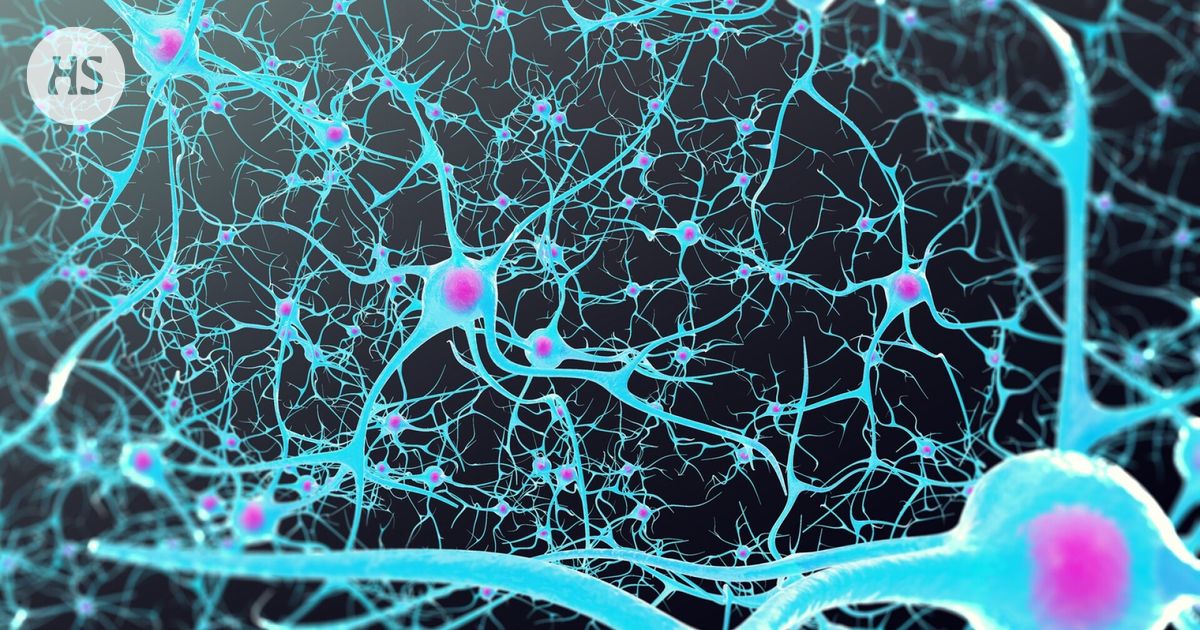
Metabolism|When the brain has to strain, it starts to use fat in proportion even more.
A Finnish-Australian team of researchers has shown that the nerve cells of the brain use not only sugar but also fat as their energy source.
According to researcher Merja Joensuu, about a fifth of the total energy of nerve cells comes from burning fats.
In dementia, fat metabolism slows down, which can be one of the reasons for memory deterioration.
The study was published in the scientific journal Nature Metabolism.
Finnish-Australian a group of researchers has made a breakthrough observation: the nerve cells of the brain also like fat as an energy source.
The prevailing opinion has been that the nerve cells of the brain use only glucose sugar as their energy source.
“The discovery is contrary to the general understanding of how the brain works,” says the leader of the research group Merja Joensuu from the University of Queensland.
A study by the University of Helsinki and the University of Queensland was published Nature Metabolism in the journal.
However, the mechanism does not work in such a way that the fat from the food as it is is transferred to the brain or that excess fat intake is good for the brain.
Also, the fat accumulated on the waist or behind does not directly feed the brain, instead the nerve cells recycle their own fat molecules. Fat is about 60 percent of the brain’s dry weight.
Fat returns to Joensuu in the brain all the time. When a healthy person works and eats normally, about a fifth of the total energy of nerve cells comes from fat burning.
When the brain has to strain, it starts using fat relatively more.
Mice were taught that by twisting a lever, they would receive strawberry-flavored milk as a reward. Learning the cause-and-effect relationship required intellectual effort from the rodents. It was then that a particularly large amount of fatty acids were released from their brains, the researchers noticed.
Probably the same thing happens in the brain of a student solving tasks or an adult thinking about work problems.
Fat smoking also has its downsides. It can generate oxidative stress that causes cell damage. A healthy person’s brain has a precise balance in which ratio it uses sugar and fat.
In certain in brain diseases, this balance is disturbed. Even with normal aging, the ability of the brain to take glucose from the blood deteriorates. Fat metabolism slows down in dementia.
“Poor energy metabolism of the brain can be one of the reasons for the deterioration of cognitive abilities and memory,” says Joensuu.
Published in Tiede magazine 14/2025.
https://www.ocean-partners.org/
https://www.lmfaomusic.com/
https://www.iconixsw.com/
https://www.ebcala.org/
https://www.currentoncurrency.com/
https://www.barontieri.com/
https://www.albertacross.net/
https://www.125west.com/
https://medium.com/@glasgowgutters2/about
https://www.flickr.com/people/203007685@N06/
https://glenmcgill.livejournal.com/profile/
https://www.webmastersun.com/members/glasgowgutters.130681/#about
https://glasgowgutters.carrd.co/
https://www.hogwartsishere.com/1729023/
https://noti.st/glasgowgutters
https://www.reddit.com/user/glasgowGutters/comments/1ll5out/glasgow_gutters/
https://www.metal-archives.com/user/edit
https://www.houzz.com/pro/webuser-504347249/glasgow-gutters
https://www.producthunt.com/@glasgow_gutters
https://www.quora.com/profile/Glasgow-18/log
https://flipboard.com/@glenmcgill/glasgow-gutters-inpdglg8y
https://www.bark.com/en/gb/company/glasgow-gutters/e0qkXD/
https://soundcloud.com/glasgow-gutters
https://seller.trepup.com/admin/store/100721E65-8E4752/profile
https://www.ukclassifieds.co.uk/services/tradesmen-construction-services/roofing-services/glasgow-gutters-i182368