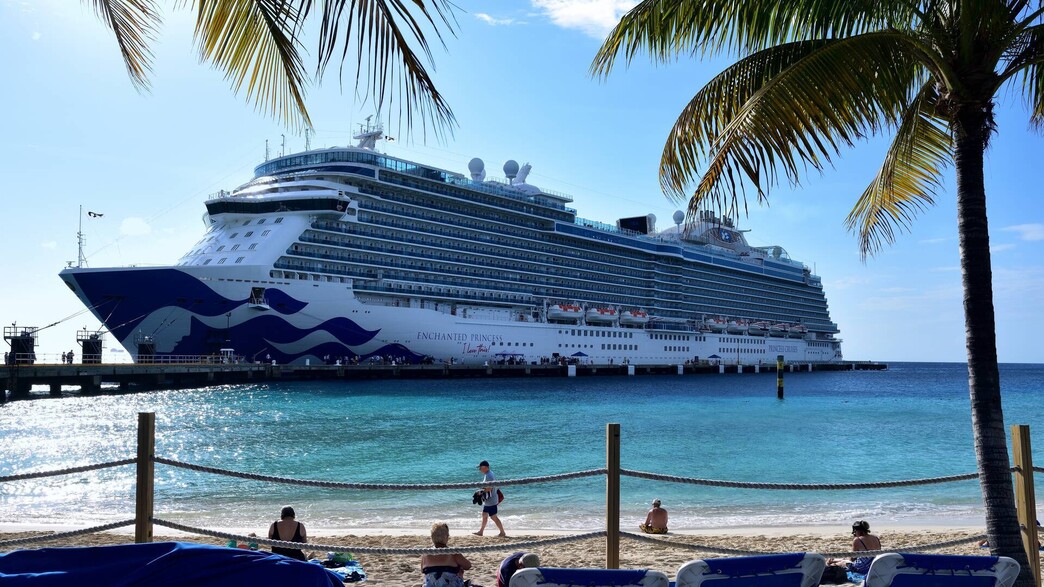
An outbreak of norovirus aboard the Star Princess cruise ship infected more than 150 passengers and crew during a Caribbean cruise. 104 passengers and 49 crew members reported symptoms such as vomiting and diarrhea during the seven-day voyage from March 7 to 14. At the time of the explosion, there were 4,307 passengers and 1,561 crew members on the ship, so about 2 percent to 3 percent of all those on board were injured.
The outbreak was first reported on March 11, several days after the ship left the Port of Fort Lauderdale, Florida. According to federal regulations in the United States, cruise lines are obliged to report to the authorities when the rate of patients with intestinal diseases exceeds 2 percent of passengers or crew members, a threshold crossed during the voyage.
In response to the outbreak, the ship’s crew implemented a series of measures designed to reduce further infection. Among other things, the cleaning and disinfection operations were increased all over the ship, passengers and crew members who fell ill were placed in isolation, and samples were collected for laboratory tests. The team worked in cooperation with federal health officials for the purpose of examining sanitation procedures and locating possible weak points. At the same time, an environmental assessment is being carried out with the aim of understanding how the virus spread during the voyage. Upon the ship’s return to Fort Lauderdale on March 14, she underwent another thorough cleaning before resuming her scheduled operations.
Rapid expansion in a closed environment
Norovirus, sometimes called the “stomach flu,” is a highly contagious virus that spreads easily in crowded environments like cruise ships. The virus is transmitted through contaminated food or water, contact with infected surfaces or proximity to a sick person. Its ability to survive on surfaces such as handrails and handrails makes it difficult to contain.
Health experts point out that cruise ships are particularly sensitive to outbreaks of this type, due to the overcrowded conditions and common spaces: dining rooms, recreation areas and public facilities. Symptoms often include nausea, vomiting, diarrhea and abdominal cramps, and sometimes they appear suddenly.
The current case is one of several norovirus outbreaks reported on cruise ships in recent months. Although outbreaks of this type are not rare, their frequency raises questions about the need for continuous improvement of sanitation procedures and rapid response. Health experts emphasize that basic preventive measures, including frequent hand washing, avoiding contact with patients and immediate reporting of symptoms, are the most effective way to reduce the spread of the virus.
In addition to the cruise ship outbreak, norovirus is also being reported in Northern California, where hundreds of people have had similar symptoms, including vomiting and diarrhea. The disease has been recorded in cities and counties such as San Francisco, Marin, Novato, Palo Alto, Sunnyvale and Redwood City, and the virus has even been detected in local sewage systems. Dr. Monica Gandia, an infectious disease specialist at the University of San Francisco, points out that the virus is “highly contagious” and that its spread is common in places where people gather densely, such as restaurants, bars and, as mentioned, also on cruise ships.
https://motorcyclesports.net/famous-racers-known-for-their-passion-to-gambling/
https://monomousumi.com/guide-to-responsible-gambling-in-win-spirit-casino/
https://mwwire.com/2024/12/12/63894/
https://thegamearchives.com/2025/04/02/the-future-of-online-gambling-latest-tendencies-in-casino-bonuses/
https://www.geekextreme.com/what-makes-a-good-casual-game/
https://onthisveryspot.com/gaming/skycrown-casino-tools-for-responsible-gambling/
https://impactwealth.org/rocket-play-casino-no-deposit-bonus-other-leisures/
https://www.fightful.com/mma/best-games-mma-lovers-richard-casino
https://www.worldanvil.com/w/premium-jackpot-rsnews/a/wonder-worlds-of-best-australian-online-casino-sites-article
https://usatimemagazine.co.uk/online-pokies-for-different-currencies-conversion-examples/
https://www.fightmatrix.com/2024/12/22/best-mma-odds-on-crownplay-casino/
https://www.wrestlingattitude.com/2024/12/what-is-my-empire-casino-no-deposit-bonus-and-how-to-use-it.html#google_vignette
https://wilddiscs.com/top-my-empire-casino-bonus-options-for-players/
https://xflnewshub.com/xfl-news/best-betting-options-on-rt-bet/
https://englishloom.com/the-latest-rtbet-casino-functionality/
https://anfieldindex.com/76781/top-football-games-to-play-with-richard-casino.html
https://www.aussietheatre.com.au/sponsored/australias-best-movie-themed-online-pokies-for-cinema-fans
https://www.hows.tech/2024/07/best-australian-online-pokies.html