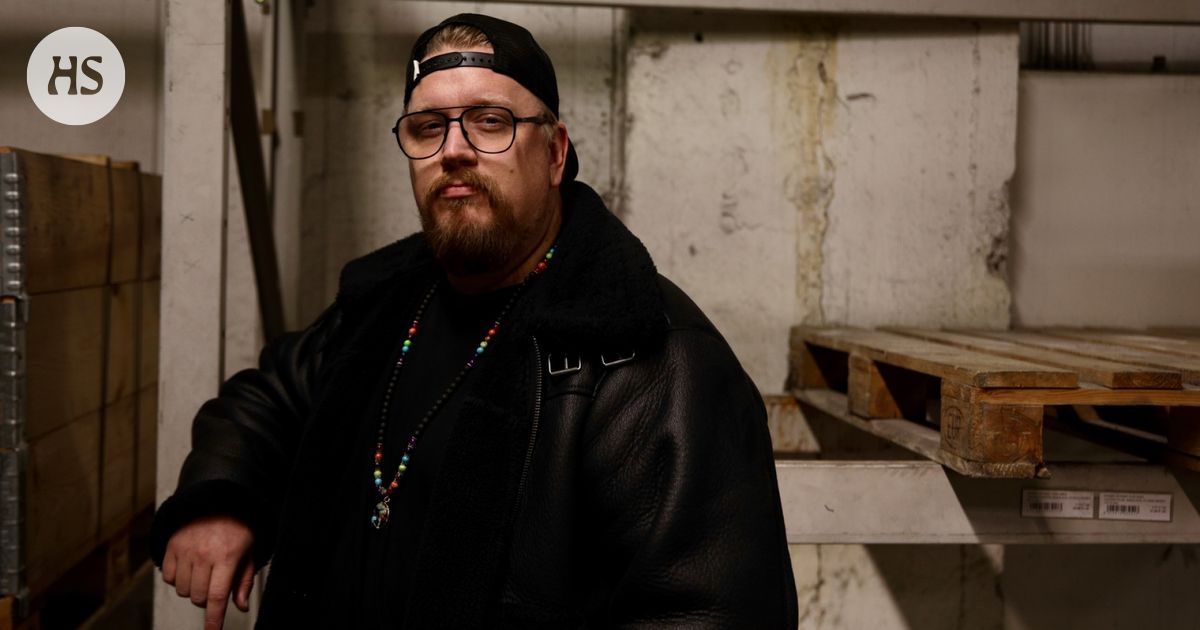
Warner Music Finland announced on Friday morning that it had bought Mökkitie Records’ music catalog and the related publishing rights.
The company’s artists include, for example Olli Halonen, Erika Vikman and Arttu Wiskariwhose production the company was originally founded as a publisher.
Mökkitie has cooperated with Warner, especially regarding Wiskar, for a long time, but now the company, which has been growing strongly for years, will be completely transferred under Warner.
The purchase price has not been made public, but the CEO of Warner Music Finland Ramona Forsstrom tells HS it is “significant”. According to the agreement, many of Mökkitie’s key players will continue to work for Warner’s bread.
For example, Arttu Wiskari signs a multi-year artist contract with Warner, and the author of numerous hits for Wiskar and other Mökkitie artists Janne Rintala continues in Warner’s songwriting teams.
Wiskari’s production has been done under cooperation agreements with Warner since 2010, so it’s not about jumping into the unknown.
So what will change with the deal?
“From the point of view of listeners and artists, not much,” says Mökkitie’s CEO, reached on the run Was Germanywhich will continue artist development with Warner as before.
“The entire catalog will be transferred to Warner and Mökkitie Records will cease operations. Mökkitie studio will continue, and the company’s brand will of course exist, but nothing new will happen under it now.”
Mökkitie CEO Olli Saksa (front) and Arttu Wiskari in the studio in 2020.
It is easy to notice that Mökkitie, for example, currently does not have a website. The company can still be found on social media and the online store.
Saksa and Forsström say the deal has been planned for years.
“From an entrepreneur’s point of view, this is a scripted movie. In this industry, you never know how long you can continue your career, so under Warner, the future is more secure,” adds Deutsch.
The company has been remarkably profitable. The turnover has more than tripled to the million mark in just five years, and the operating profit grew to 158,000 euros in the 2025 financial year.
The company used to have three employees, now only two. At first there were three owners – Janne Rintala, Olli Saksa and Arttu Wiskari – now there are four, while also the producer Mika Laakkonen is involved.
“We currently have Dingo and Mamba on Spotify Finland’s most listened to songs.”
How has it been possible to create such a success story with such a small group?
“We have to thank our army of freelancers, who usually play a big role in this industry. We have employed dozens of people, including songwriters, producers and a live department that travels with the artists.”
“Otherwise, I would say that it has been a successful division of labor. Mika Laakkonen came on board when we wanted to make sure that production would not be interrupted, even if there were more difficult times. Be that as it may, the corona virus started right after that.”
The CEO of Warner Music Finland, Ramona Forsström, was photographed in 2023.
Ramona Forsstrom says catalog ownership is a key part of Warner’s strategy.
“The role and popularity of catalog music has grown in recent years, and from us, for example, Dingo and Mamba are currently among the most listened to songs in Spotify Finland.”
“The same thing is happening in Finland as it is in the world, that with artists’ tours or new releases, old music also comes alive even more.”
Forsström sees Mökkitie’s work as an exceptional way to stand out from the crowd, and does not believe that from the listener’s point of view, nothing will change with the deal.
“There will definitely be more hits.”
Forsström admits that Warner is also interested in other Finnish catalogs, but does not name names at this stage.
“There are indie record companies in Finland that have done a wonderful job, whose catalogs we would probably like to negotiate with in the near future.”
Are you worried about the popularity of old music in terms of new music?
“Not at all,” says Forsström. “New music is still clearly the most listened to, and at its best, old music supports it and deepens the listeners’ relationship with music.”
1Win 한국 – 온라인 카지노 & 실제 돈 🔥
1Win apk 다운로드 – 1Win 안드로이드 apk
1Win 모바일 앱으로 최고의 카지노 경험!
1Win 보너스와 무료 스핀 1Win 모두 받기
1Win 카지노에서 즐기는 최고의 온라인 카지노 게임
입금 1Win: 간편한 1Win 입금 방법
1Win 앱 다운로드: 간편한 설치 방법
1Win FAQ: 1Win 작동 방식 및 질문
한국에서 1Win는 합법인가? 1Win 안전성 확인!
1Win 로그인 | 1Win 계정 로그인하기
1Win 미러: 대체 링크로 새 URL 발견
1Win 모바일: 모바일에서 플레이 1Win
1Win Casino 결제 방법 안내!
1Win 작동 안 함 및 로그인 문제 해결
1Win 보너스 코드로 최적의 프로모션 이용하기
1Win 리뷰: 사용자 평점 및 리뷰
최고의 슬롯 게임 1Win 슬롯 경험
고객 서비스 1Win 지원 문의
신속한 출금 1Win 카지노 – 현금 인출 간편하게!
1Win Casino: Ən Yaxşı Onlayn Əyləncə
1Win Casino apk yüklə – Android üçün son versiya
1Win Casino Mobil Tətbiq – İndi Yüklə!
1Win Casino Bonus Xoş Gəldin Təklifi
1Win Casino Onlayn Kazino – Canlı Oyunlar
1Win Casino Depozit: Necə və Minimum?