The War in Ukraine remains characterized by fierce fighting and mutual attacks even more than four years after the start of the Russian invasion. At least 30 people were killed in serious attacks in Kiev on Thursday night. Meanwhile, the debates about Ukraine’s intended accession to the EU are picking up speed again.
The Baltic states in particular have been campaigning for this vehemently for years. Estonia, Latvia and Lithuania are among Kiev’s staunchest supporters and are pushing for rapid rapprochement within the European Union as well as further military and financial aid.
Estonia’s head of government in a ZiB2 interview
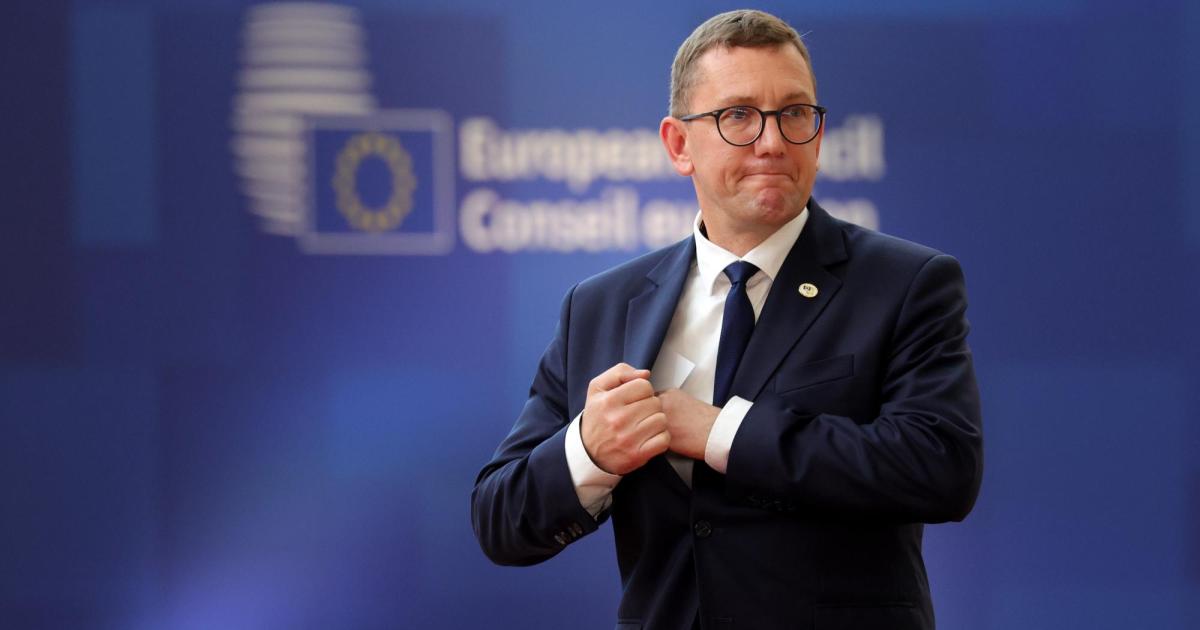
Against this background and after a visit to Federal Chancellor Christian Stocker was Estonia’s Prime Minister on Friday evening Christian Michal a guest in the ZiB2. Russia is under increasing economic and military pressure, said Michal. At the same time, he warned against prematurely assessing the situation as a turning point.
“Russia is losing the war on the battlefield and the economy is also doing badly,” said Michal. The EU’s sanctions would be effective, and President Vladimir Putin’s image would suffer. “But now even Moscow is being attacked with drones and its image is suffering.”
However, Michal did not want to predict an imminent collapse of Russia. Dictators would “never leave the field voluntarily.” That’s why you have to continue to apply pressure and show strength.
Ukraine and NATO
For the outcome of the war, it is crucial to bring Putin to the negotiating table. “No decision about Ukraine can be made without Ukraine,” Michal said.
At the same time, the Estonian head of government again spoke out in favor of Ukraine joining the EU. Ukraine is carrying out “very ambitious reforms”. He sees “no future for Ukraine outside the EU and probably not outside NATO either.”
Digitalization and AI
At the meeting with the Federal Chancellor Christian Stocker it was also about digitalization. According to Michal, a digital state could bring savings of more than two percent of gross domestic product. In Estonia, almost all administrative procedures are processed digitally and there are no longer long queues.
Michal sees a great need for action when it comes to artificial intelligence. Europe must become more independent from the USA and China. “AI will make a decisive difference not only economically, but also militarily,” he said. Europe needs more investment in computing power and its own “gigafactories”.
Bónus BetPlays: Bónus Exclusivos e Rodadas Grátis
Casino BetPlays, Slots Vibrantes 🎰
Depósito BetPlays: Rápido e Seguro
Download BetPlays – Rápido e Fácil!
FAQ BetPlays: Perguntas e Respostas
Legalidade e Licença BetPlays Portugal
Entrar BetPlays | Acesso Seguro e Rápido
Mirror BetPlays: Link alternativo seguro
Versão mobile BetPlays: Jogue no Telemóvel
BetPlays: Métodos de Pagamento e Levantamento
Problemas técnicos BetPlays, Erro de login
Código de bónus BetPlays: Obtenha o Seu!
Revisão e Avaliação BetPlays: Consulte Já!
Máquinas de Slots BetPlays: Joga e Diverte-te
Suporte BetPlays: Atendimento Rápido e Eficaz
Levantamento BetPlays Rápido e Seguro
Erleben Sie Romibet Casino – Ihr Seriöses Online-Erlebnis
Romibet apk: Casino Erlebnis für Android
Romibet App: Sicher unterwegs zocken!
Top Romibet Bonus 2026 & Freispiele entdecken!
Romibet Casino Spiele & Live Action erleben
Schnelle Einzahlung Romibet Casino
Romibet Download: Casino App Schweiz sichern
Romibet Casino FAQ: Alles Wichtige erfasst
Ist Romibet Casino legal in der Schweiz?