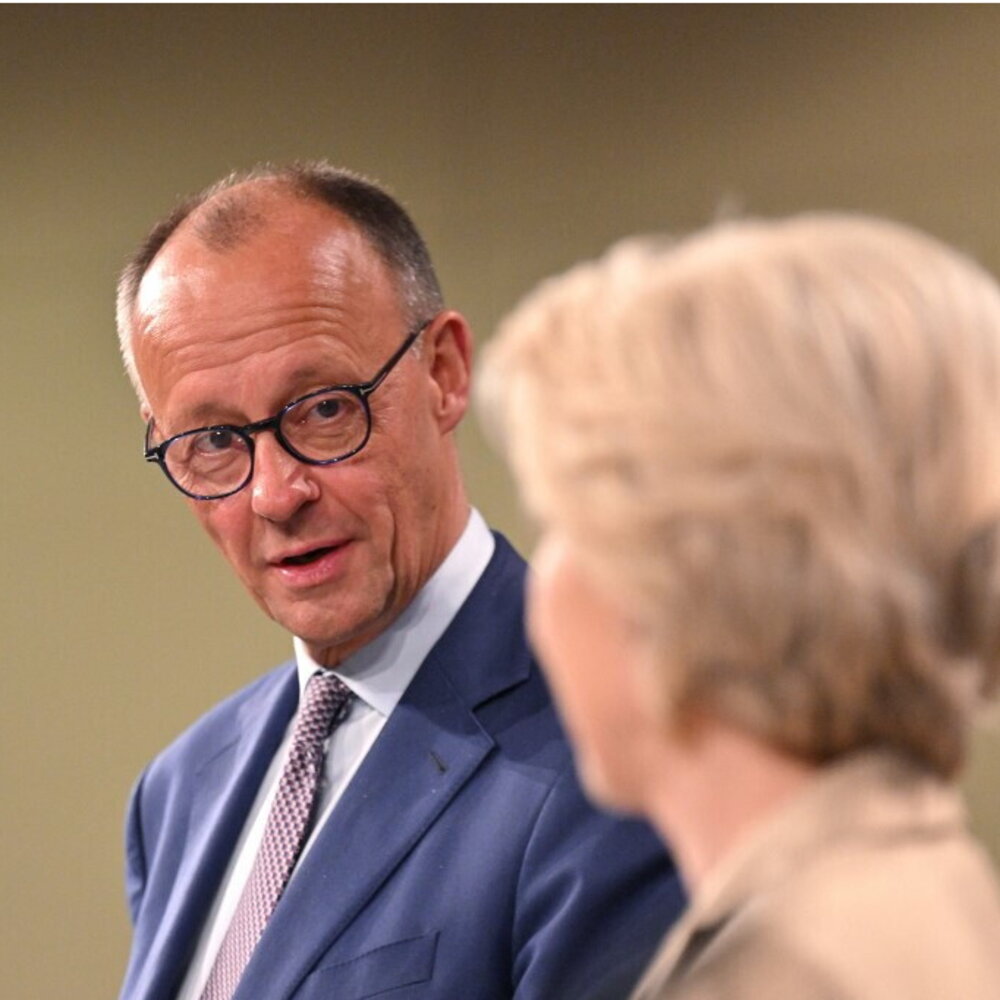
The German Chancellor, Friedrich Merz, has written a letter to the President of the European Commission, Ursula von der Leyen, asking to extend some hybrid vehicles and a role for advanced and traditional biofuels beyond 2035.
“Electric mobility is the key technology of the future on the path towards climate neutrality. At the same time, however, greater flexibility and technological openness is needed to take into account the different starting points and innovation paths in Europe”, reads the letter, in view of the revision of the regulation on Co2 emissions of vehicles which should be presented on December 10th.
“With this approach, all available technologies, today and in the future, must be able to contribute to theclimatic objectivesthe. After 2035, in addition to fully electric cars, it should be possible also register cars with double traction system (electric motor + combustion engine), if residual emissions are compensated in both the automotive and fuel sectors. Furthermore, the presidents of the German Landes have unanimously proposed that transition technologies such as hybrids also be supported plug-in (Phev), range extender electrics (Erev) and highly efficient combustion engines may continue to be permitted after 2035,” says the Chancellor.
“We need to consider the emissions of the entire car fleet, i.e. both new cars and those already in circulation. In the existing fleet there is still potential for reduce emissions. For this reason, the blending quotas of synthetic fuels and biofuels advanced should be increased appropriately. Traditional biofuels should also continue to contribute to emission reduction objectives”, it continues.
“Emissions reductions along the entire value chain – for example through the use of sustainable materials such as European green steel or in the production of battery cells as part of European value creation – should be counted in the achievement of fleet targets”, says Merz, according to whom furthermore “the European-wide sanctions resulting from violations of fleet limits must be avoided. The Commission’s proposal to make the intermediate objectives for the three-year period 2025-27 more flexible represents an important first step in this direction. Based on the experience gained with the 2025 interim target, we also consider a corresponding easing of the 2030 interim target to be feasible.”
“We welcome, in principle, the electrification of company fleets, but reject a uniform legal quota. For hybrid vehicles, the current electric range of modern vehicles, which increases with continuous technological development, should be better considered within the fleet limits with regard to the so-called ‘utility factor, and with less bureaucracy,'” it further states.
“Our common goal should be to achieve regulation that is innovation-friendly, open to new technologies and capable of striking a balance between environmental protection and industrial competitiveness,” the letter concludes.