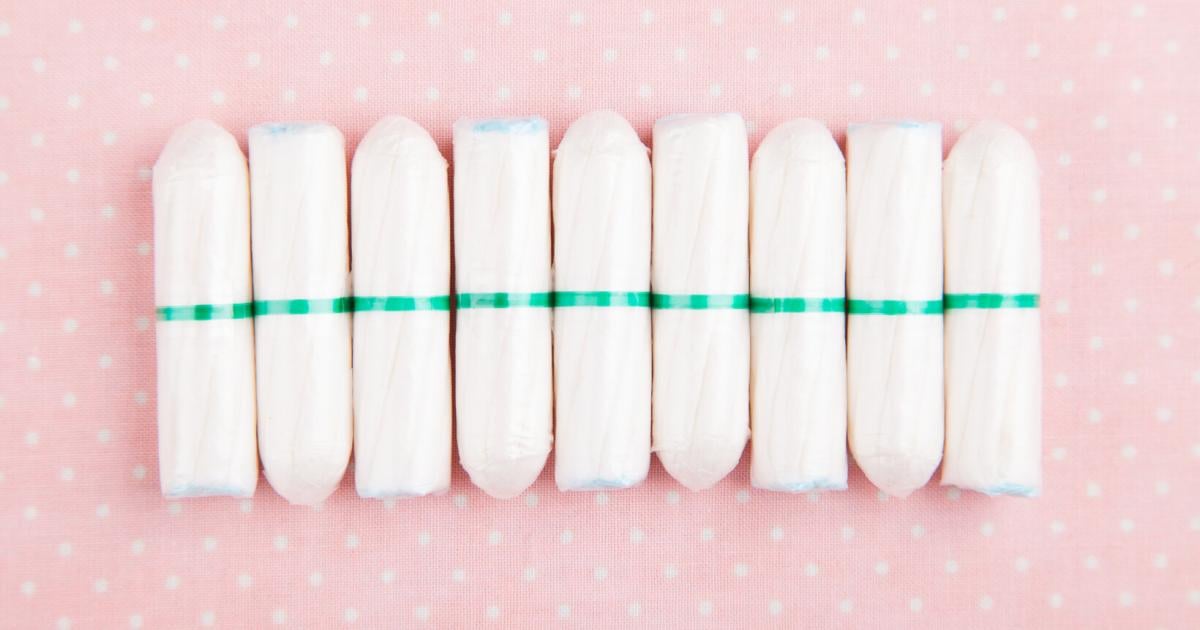
From the new year onwards, sales tax on period products will no longer apply. Tampons, sanitary pads, etc. are likely to become cheaper because, at least in the past, such measures were completely passed on to consumers, as a study by the business school shows.
However, according to the study authors, such measures are not enough to sustainably combat period poverty – i.e. the lack of access to hygiene products for low-income people.
In 2021, the then turquoise-green government halved the “tampon tax” from 20 percent to 10 percent. One year after this tax cut, according to the study by the Vienna University of Economics and Business published at the end of 2023, there was an average price reduction of ten percent for period products. In France, Belgium and Germany, where taxes on feminine hygiene products were also reduced between 2016 and 2020, the tax cut was also passed on to consumers.
Overall, sales of period products remained roughly the same. In order to sustainably combat access to period products for low-income people, more targeted measures are needed, such as more educational work and the distribution of period products in schools, according to study authors Klara Kinnl and Ulrich Wohak.
Half of the population relies on period products around 450 times
The loss of sales tax will only be slightly noticeable on individual purchases because of the persistently high inflation. However, the measure affects a large proportion of the population – women rely on period products around 450 times over the course of their lives. To increase access to feminine hygiene products and eliminate gender-based tax discrimination, several countries have reduced or eliminated sales taxes in recent years. Australia was a pioneer, where the tampon tax was completely abolished in 2019.
In addition to feminine hygiene products such as tampons, sanitary napkins, panty liners and menstrual cups, the sales tax exemption that will now apply in Austria from January 1st also includes contraceptives such as condoms, birth control pills and hormonal coils. The tax cut has the strongest effect on condoms, as they were previously subject to 20 percent sales tax.