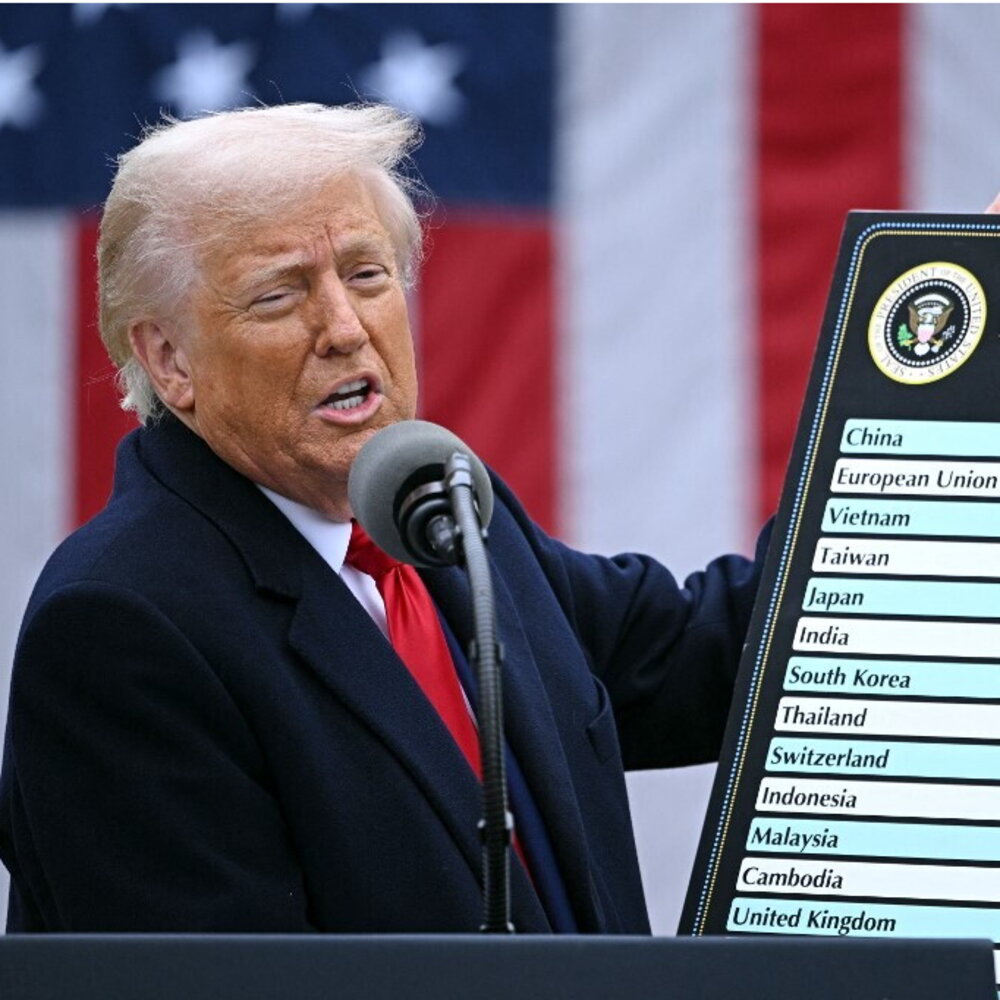
The sentence of Supreme Courtwhich failed only some of the dutiesleaving others in force ratesrisks triggering a new one trade war. The judges’ stop opens the door to potential refundsa figure that some have estimated as high as 175 billion dollarsbut leaves the world of business in chaos.
After the decision Donald Trump announced a 10% global dutysubsequently increased to 15%under other authority under Section 122 of the Trade Act of 1974. The new tariff, which takes effect tomorrow for 150 days and must be ratified by Congress within five months, will not apply to products subject to sectoral customs dutiesnor to Canadian and Mexican products imported into the United States under the North American Free Trade Agreement. They are also expected exemptions for some sectors, in particular thepharmaceutical industry. For governments that already have in place trade agreements con Washington, come l’European Unionil Japanthe South Korea o Taiwanwith a maximum rate of 15%. customs surchargenothing should change but the various countries are awaiting clarifications from Washington.
US Trade Representative Jamieson Gree said the US intends to comply with the agreements made with the EU, China and other countries. The new tariff framework outlined over the weekend, according to analysts, would however be more favorable to Chinaall’Indiaal Vietnam and other countries in the area. The US Customs and Border Protection agency said it will stop collecting the rates cancelled by the Supreme Court from 6 (Italian time) tomorrow morning, but did not explain whether importers will receive any refunds.
European Union
L’EU-US agreementsigned last July, has set a 15% duty on EU exports, reducing i. to zero tariffs on US industrial products. The 15% quota should be added most favored nation clause which regulated relations between the USA and the EU in the past, and which stands at around 4.8%. This clause, in the agreements, was included in the 15% ceiling. In light of stop by the high court Brussels awaits a clarification from Washington. L’European Union might even decide to freeze the ratification process of the agreement and an extraordinary meeting of the European Parliament’s negotiating team on the Turnberry agreement is scheduled today in order to evaluate the possible implications on the ongoing work and, in particular, in view of the Commission vote. The Foreign Minister, Antonio Tajaniwill also chair a new meeting of the task force dazi with them Italian companies to make the point. Come on Italian wine producers ai German chemical giantsthe fear is that a “boomerang effect“, with the freezing of orders and the blocking trade agreements to which companies have dedicated the last year to laboriously adapt.
United Kingdom
Il United Kingdom agreed upon one 10% rate. The British government has announced that it will launch consultations with the Trump administration to clarify the impact of the decision of Supreme Court.
Canada
L’free trade agreement Between United States, Mexico and Canada predicts that about the 90 percent of Canadian exports is already exempt from tariffs. Items that do not fall within the scope of this agreement are subject from August to a additional duty of 35%instead of the 25% previously expected, which should no longer exist. Most of the exports to the United States concern sectoral tariffs on goods such as steel and aluminiumwhich remain in force. THE’North American trade agreement will be reviewed later in the year.
Mexico
A. has been in force since March additional duty of 25% on imports of products originating in Mexico which should therefore be cancelled. As with Canada, thefree trade agreement usmca predicts that about the 90 percent of Canadian exports is already exempt from tariffs.
Japan
How the EU achieved a agreement to limit tariffs to 15% and may therefore not see any changes.
China
The decision of Supreme Court suspends a 10% general duty and a further 10% linked to the export of Fentanyl but others remain in place. The Chinese government should be subject to the new global tariffs of 15%. Beijing is evaluating the consequences of the decision US Supreme Court to cancel out most of the tariffs imposed by Trumpbut urged Washington to rescind the new ones “unilateral” trade measures.
India
At the beginning of February Trump one announced reduction of customs duties from 50% to 18% on products coming fromIndia in exchange for the blockade of Russian oil imports and a cut at trade barriers in the matter of energy, armaments, telecommunications, pharmaceuticals and, to a lesser extent, foodstuffs. The Indian government is looking into the Supreme Court ruling to assess the implications and postponed sending one trade delegation to Washingtonwhich was supposed to finalize thebilateral agreement.
https://pad.ura.design/s/WyRa0kKQn
https://pad.pixie.town/s/AHOPbTzxum
https://notes.gutocarvalho.net/s/Es3QHzmdS
https://doodleordie.com/profile/barridoelectronico
https://app.innmind.com/viewStartup/i2AAPefMcLAHyHdZL
https://www.producthunt.com/products/axell?launch=axell
https://md.kokakiwi.net/s/WTiyJ0ryI4
https://pad.flipdot.org/s/0gWAOCeU-
https://eso-community.net/memberlist.php?mode=viewprofile&u=22585
https://500px.com/p/fontanerosurgentesenmadrid
https://www.coursera.org/user/0bb9367aba183e3cbb17a08965f08850
https://jobs.westerncity.com/profiles/7927736-cocos-surf-house
https://www.coursera.org/user/9c2c0bad29de257a062202cbf9ed5183
https://data.aurora.linkeddata.es/es/user/jabon-lavavajillas-ecologico
https://humodebuenderecho.cl/profile/cocoshouse/
https://academy.qehsssolutions.com/profile/teambuildinghouse/
https://pad.ura.design/s/OjjRfLoEd
https://doc.buzzrage.net/s/cXXXPetpo
https://decidim.calafell.cat/profiles/tashunails/activity?locale=es
https://hedge.dotfionn.de/s/YTZ46qz08
https://docs.stephtransition.fr/s/xNkwgTN8b
https://pad.flipdot.org/s/uaMzTxEmN
https://hedgedoc.ceehome.net/s/w29ABq4Jx3
https://dadosabertos.ufma.br/user/verdealma
https://pads.jeito.nl/s/h7Oo6AvMvF