The stock markets are in fibrillation and there is a fear of a strongeconomic backlashfollowing thejoint attack di United States e Israelagainst theIran. The biggest fear is that, considering that Iran is a member of theOpecit causes a seriousinterruption of oil supply in Middle Eastwhich, in the worst case scenario, could trigger aglobal economic recession.
To try to calm the markets, in the meeting ofsignwhich was held just the day after theattack on Iran,l’Opec+confirmed that from April it will increase theoil production di 206,000 barrels per day. The decision was made at today’s meeting, and the established level is slightly higher than the expected 137 thousand barrels per day.
Increase in barrels lower than expected
The group ofoil producersled bySaudi Arabiaso he tries to calm me downcrude oil markets in seguito al conflict in the Middle Eastbut the increase is lower than what some analysts and observers hypothesized given that many countries are already close to the limits of their production. In reality it was already obvious that theVienna organizationif the war had not broken out inMiddle Eastshould approve an increase incrude oil productionequal to 137 thousand barrels per day but what is happening in these hours would have convinced the member countries to make a more courageous choice precisely tocalm the marketsin view of the resumption of trading.
Change of course by OPEC
A real change of direction after the sign had stopped production increases for the first quarter of 2026 due to seasonal weakness and previous oversupply concerns. Now, with theUS and Israeli attacks on Iranand Tehran’s retaliation across the region, the Organization appears ready to move from price management tostabilization of supply. Already last Friday i‘black gold’ priceshad seen a significant increase of 2.5% as traders considered the likelihood of an attack after the meeting between Tehran and Washington in Switzerland failed to make significant progress.
OPEC’s commitment “to market stability”
Nel communicatedissued at the end of the meeting, the eightOPEC+ countriesthat is to saySaudi Arabia, Russia, Iraq, United Arab Emirates, Kuwait, Kazakhstan, Algeria e Omanreiterate their “commitment to guarantee thestability of the oil market“. The note does not mention the attack on Iran but points out that “they will continue tocarefully monitor and evaluate market conditions“. I Member countriesthey reiterated “the importance of adopting acautious approachand to keep it fullflexibility” in deciding isupply volumesand they agreed on aproduction adjustmentequal to 206 thousand barrels per day. The next meeting is scheduled forApril 5next.
Iran is the fourth largest oil producer in the world
L’Iranit’s the fourthoil producer del Vienna signwith little more than3 million barrels per dayin January. ThereIslamic Republicshares a coast with itStrait of Hormuzla most important waterway in the world per il global oil trade. Analysts believe that icrude oil futures priceswill increase by5-7 dollars a barrelat the opening of trading at midnight Italian time. Last Friday iBrent crude pricesthey attested to72.48 dollars a barrelwith an increase of 2.45%, while theWTI crude ha chiuso a 67.02 dollars per barrelwith an increase of 2.78%.
Worst case scenarios and the importance of the Strait of Hormuz
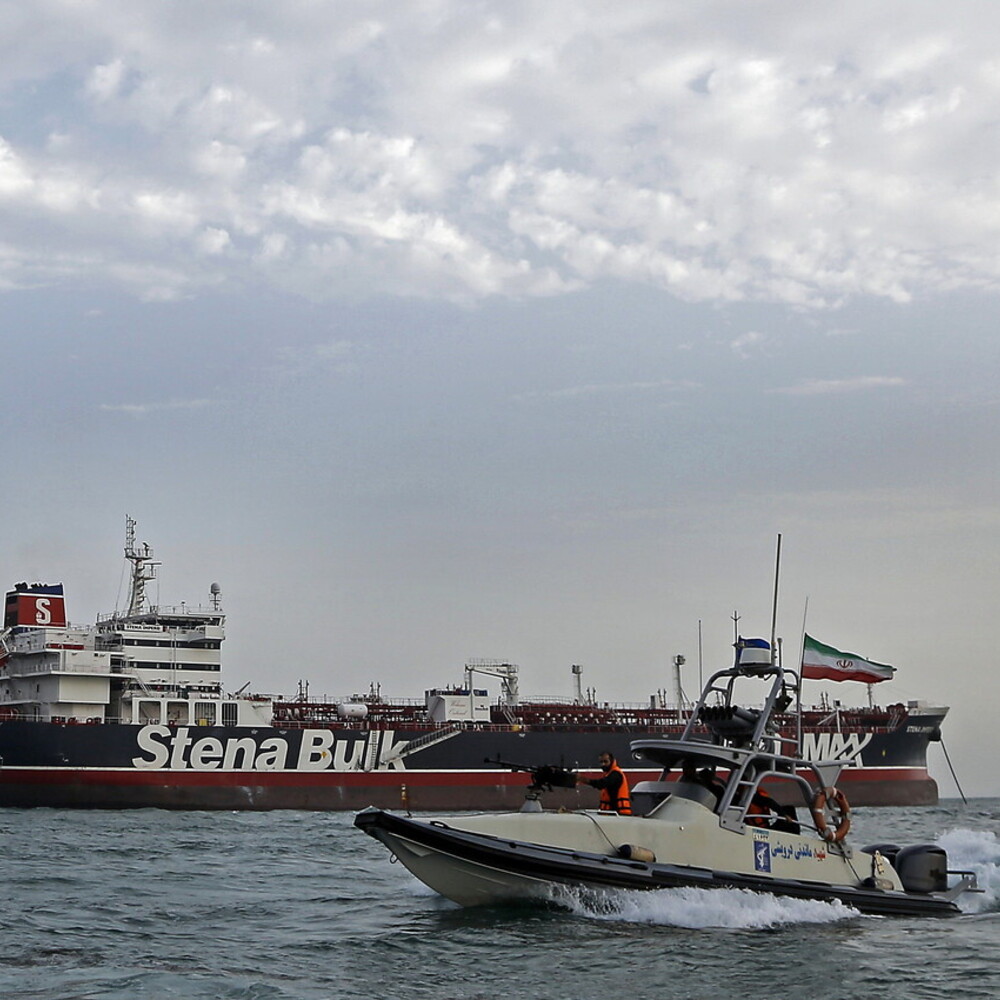
Tra le worst case scenarios, Teheran potrebbe close the Strait of Hormuzwhich could raise theoil prices oltre i 100 dollars a barrel. The market also doesn’t appreciate the fact that Tehran has large supplies ofmines and short-range missileswhich could seriously disrupt traffic in thenavigable way. To understand the importance of the Strait, just think that according to the data ofenergy consultancy company Kplerin 2025 they passed through the Strait further14 million barrels per dayequal to a third ofglobal exports of crude oil by sea. About three-quarters of these barrels went toChina, India, Japan e South Korea. The Cinema, thesecond world economyreceives half of hiscrude oil importsfrom the Strait.
Reserve capacity and recession risk
La world reserve oil capacitywhich comes fromGulf Statesit would not be able to bypass the Strait, effectively isolating it from the market. Also the20% of global liquid natural gas exportspasses through the Strait, mainly fromQatarand it would not be possible to replace it. At that point ioil pricescould increase in such a way as to trigger aeconomic recession.
Possible solutions and the role of OPEC
How to overcome a hypotheticalclosure of the Strait of Hormuz? I Saudishave apipelinewhich crosses the country from east to west, up to the west coast onRed Sea. Gli United Arab Emirateshave apipelinewhich ends inGolfo in Oman. But the scale of the assaults puts pressure on theinsurersso that they aggressively increase theoil tanker ratesfor transit through the Strait of Hormuz or refuse to provide any traffic. Such a mechanism would certainly have repercussions on theoil price. One cannot even hope for government interventionUsaas it seems that the hypothesis that theTrump administration attinga alle sue strategic oil reservesto calm the markets: an official confirmed this toFinancial Times.
Meanwhile the data oftransponder di MarineTrafficsuggest that the flow oflarge commercial shipsis decreasing, particularly those traveling westward into the Gulf