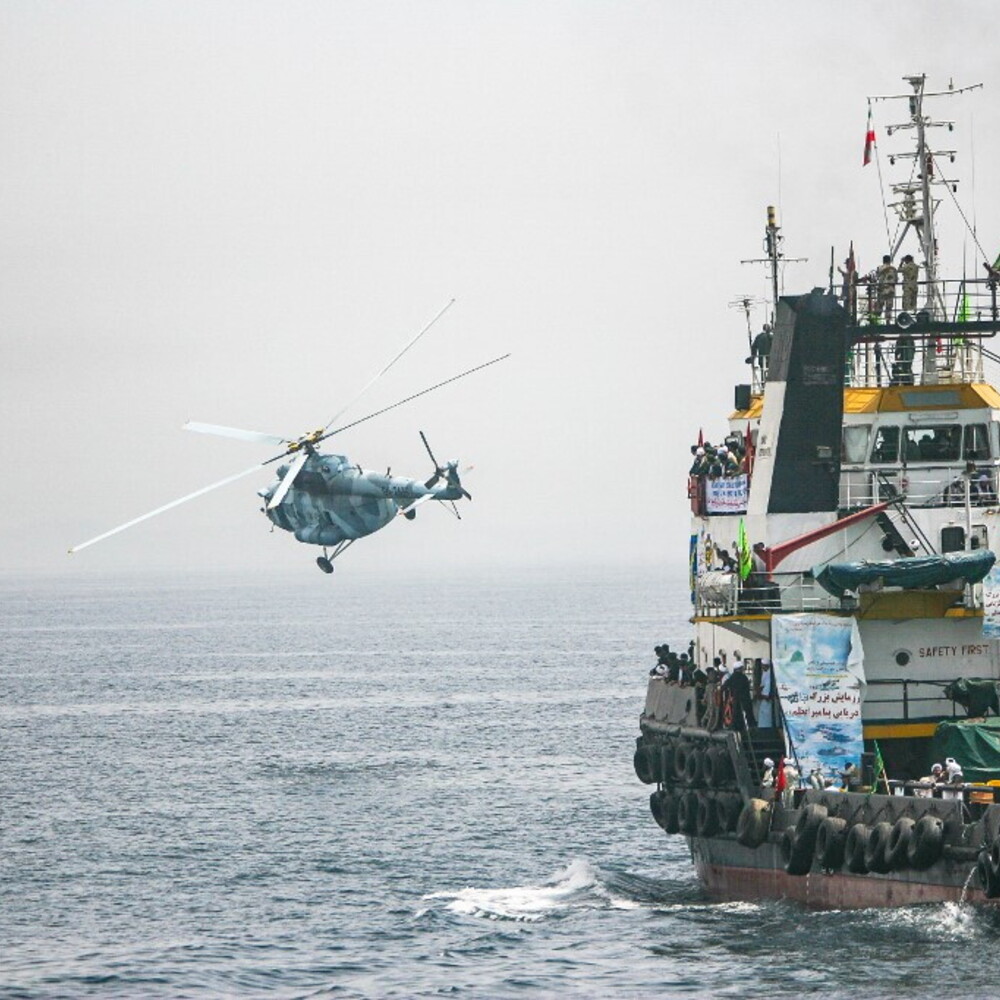
Starting from the first days of the new conflict in the Middle East lo Strait of Hormuz it was officially declared a “zone of war operations”. This situation caused a almost total blockage of maritime traffic in one of the most passages strategic in the world, which in times of peace is crossed by over 130 ships a day.
The war effect brought down the traffic volume of 90-94%with daily transits between 0 and 5 in the last few days. The International Maritime Organization talks about more a thousand boats stopped to March 10th and at least 3,000 commercial ships blocked In the Persian Gulf. Il the total value of the blocked ships and goods exceeds 25 billion dollarsconsidering that approximately half of these vessels transport oil or gas.
Skyrocketing sea freight costs
The crisis has skyrocketed the costs for maritime transport of energy in the Middle East. The intensification of the conflict, with Tehran starting to strike ships transiting the canal, has pushed the supertankers freight rates towards highs never recorded before. The reference freight rate for the supertanker market VLCC (Very Large Crude Carriers) jumped to a record value of W419 on Monday, translating into a daily cost exceeding $423,000a figure almost ten times higher than the operating average of a supertanker under stable market conditions. The Worldscale (W) system defines a base rate; a value of 419 indicates that the current freight rate is 419% of the standard rate established for that route.
Impact on global energy prices
Through it Strait of Hormuz transits about the 20% of the world’s oil and a fifth of LNG. The blockade puts the stability of global energy prices and the supplies to Asia and Europe.
Sailors stranded and alternative routes
The crisis directly affects approximately 20,000 sailors remained stranded on board the boats in an area high risk of attacks. Many shipping companiesincluding the MSChave suspended reservations or ordered ships to head to safe havens waiting for military escorts o protected corridors.