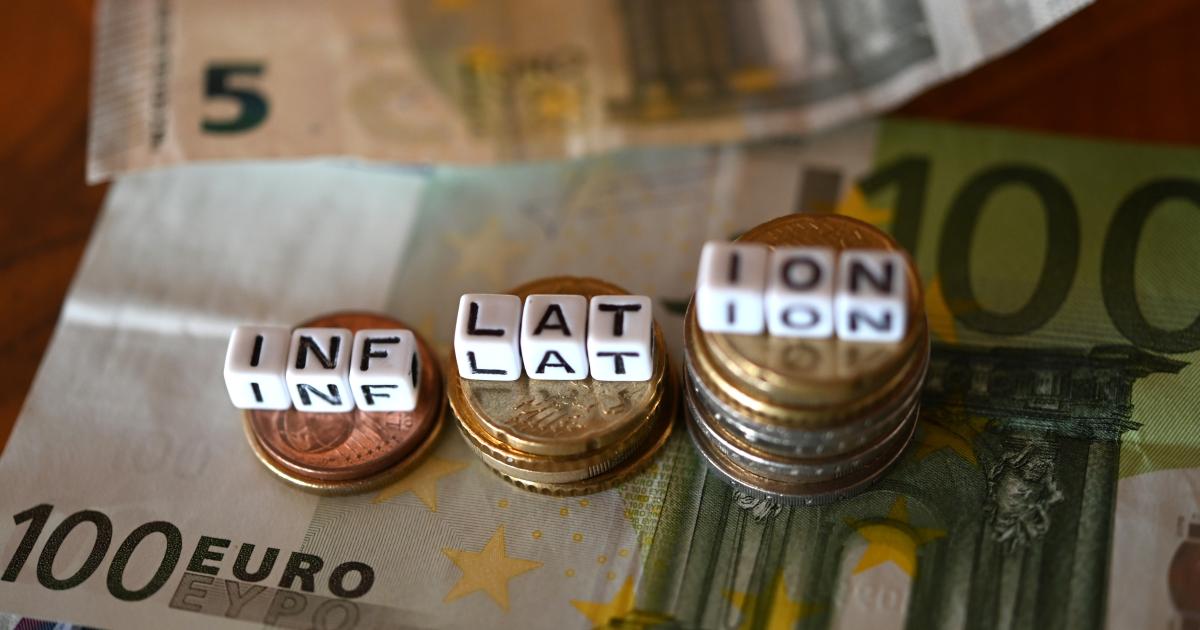
The sharp rise in oil prices caused by the Iran war is having an impact on consumer prices in Germany. The inflation rate skyrocketed March to 2.7 percent up from 1.9 percent in February, the Federal Statistical Office announced on Monday in an initial estimate. This is the highest value since the beginning of 2024. According to data from the federal states, the Prices for fuel and heating oil with the most important Austrian trading partner.
Economists had expected the value now recorded for March. From February to March, prices rose by 1.1 percent.
“The inflation data shows exactly what all drivers have already noticed: the Iran war is driving up the prices of fuel and heating oil,” said the chief economist at Berenberg Bank, Holger Schmieding. In Bavaria, 44.8 percent more had to be paid for light heating oil than in March 2025. Fuels such as gasoline rose in price by 19.7 percent. With a time lag, the Iran war will also drive up the prices of other goods. “Gas will become more expensive, food prices may rise over time if fertilizer is in short supply, and higher transport costs will affect many categories,” said Schmieding.
Peaks of significantly more than 4 percent are feared
In the coming months, the inflation rate could therefore reach a peak of more than 3 percent. If the war escalates further, a peak of well over 4 percent is possible.
According to a company survey, there are no signs of a rapid easing of tensions, on the contrary: Significantly more companies in Germany are planning to do so in view of rising energy costs Iran war with higher prices. The barometer rose to 25.3 points in March, reaching its highest level in three years, as the Munich Ifo Institute announced. In February it was still at 20.3 points. “The price pressure in Germany is increasing noticeably again,” said the head of the Ifo surveys, Klaus Wohlrabe. Companies would increasingly pass on rising costs. “Energy prices will also have an impact on goods and services through higher production and transport costs,” said Wohlrabe.
http://jobboard.piasd.org/author/antdrama4/
https://www.fanficoverflow.com/profile/view/81391
https://www.rvparking.com/user/506119
https://www.fanficoverflow.com/profile/view/81254
https://www.rvparking.com/user/506046
https://gifyu.com/MilogdConley
https://www.chordie.com/forum/profile.php?id=2486307
https://www.gamingtribe.com/profile/gt_5623396766745113
https://medibang.com/author/28001522/
https://classifieds.ocala-news.com/author/bakerpruner6
https://buyandsellhair.com/author/feartuna9/
https://www.ludikarus.com/author/bakersmoke0/
https://gratisafhalen.be/author/neonlan3/
https://moeamine.com/author/antrubber9/
https://nhadat24.org/author/heavendryer4
https://www.giveawayoftheday.com/forums/profile/1736407
https://irte.duiko.guru/forums/users/policetuna9/
https://etuitionking.net/forums/users/recordhedge3/
https://forum.issabel.org/u/mistpruner9
https://mindwellnessforum.com/user/jamtuna6
https://classifieds.ocala-news.com/author/shelfvein56
https://www.garagesale.es/author/carbonflesh26/
https://medibang.com/author/28001564/
https://www.demilked.com/author/touchbasin40/
https://www.ludikarus.com/author/flarevein40/