Who remembers the expected big hydrogen investments in Finland anymore? Talk about them intensified four years ago, when Russia invaded Ukraine and Europe became aware of its dependence on Russian oil and natural gas.
When the market prices of oil and natural gas rose and we had to get rid of Russian imports, everyone in Europe seemed to be talking about getting rid of imported fossil energy. Politicians promised money for renewable energy sources. Several hydrogen companies appeared in Finland, promising to replace oil and gas with domestic fuel production for road, ship and air traffic.
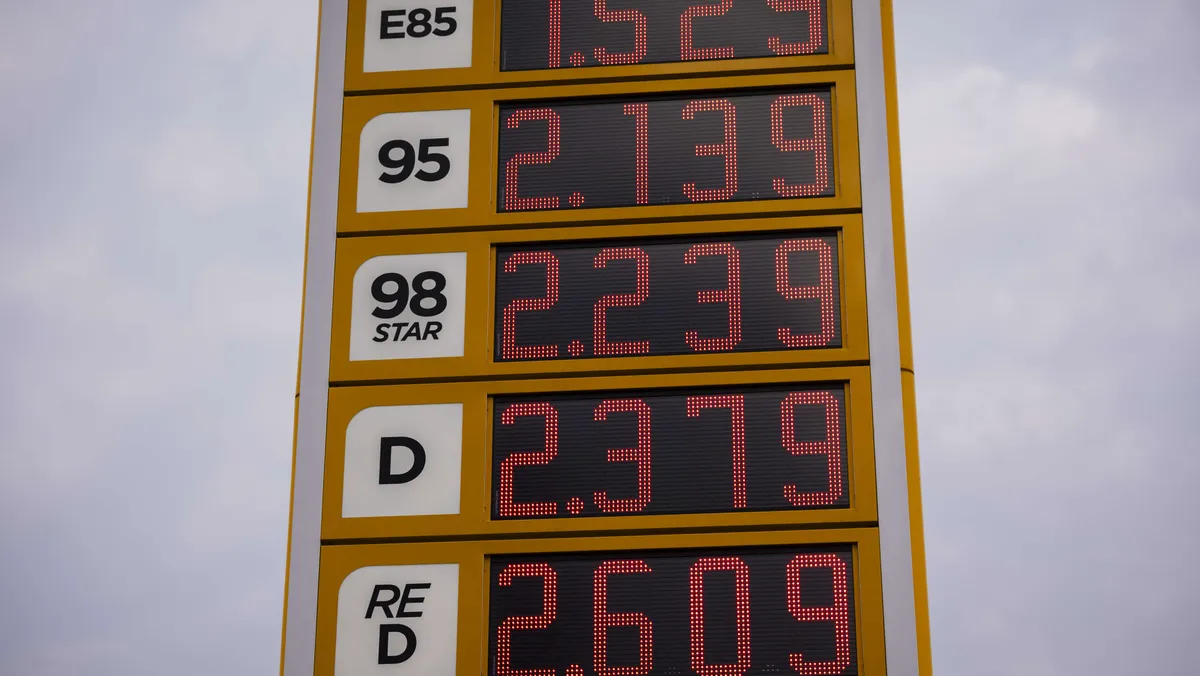
In March, the war in the Middle East triggered another rise in the price of oil and natural gas, but this time there has been little talk of alternatives to imported fossil energy. Instead, politicians in various parts of Europe have urgently begun to consider how the price of oil and gas could be pushed down.
Industry in Central Europe is now not accelerating investments to reduce dependence on fossil fuels, but is even pushing for the suspension of emissions trading. The transport industry and airlines have demanded a relaxation of the obligations related to alternative fuels.
A lot has happened in four years. When the war in Ukraine broke out, the EU’s corona stimulus money had already been distributed to energy projects. Now the indebted countries of Europe are tightening their purse strings.
Companies have taken a hit in recent years from rising costs and have not invested in fossil-free production at the same pace as expected a couple of years ago. In climate policy, the finish lines have been moved forward. All this has eaten up the market for hydrogen projects, and faith in their realization has suffered.
The biggest fear in Europe now is a new spike in inflation. This should set off bells.
The risks of imported energy should be well known in Europe. “
The threat of inflation triggered by the Iran war underlines how dependent Europe still is on imported fossil energy. Member of the Executive Board of the European Central Bank Frank Elderson describes In his Financial Times op-ed this dependence as a critical vulnerability of the European economy. If dependence can be reduced, companies and households would not be as vulnerable to oil and gas price shocks in the future as they are now.
Of course, technology based on renewable energy is also largely imported and requires large investments. Dependence on imports is still not constant in the same way as in the case of oil and natural gas, if energy production is in one’s own hands.
The risks of imported energy should be well known in Europe. Still, this may be quickly forgotten this time as well, if oil and gas flow through the Strait of Hormuz again soon.
https://mostbetpt.biz/
https://mostbetpt.eu/
https://mostbets-casino.com.pt/
https://mozzart-ro.com/
https://mozzart.com.ro/
https://mozzart.eu.com/
https://mr-bit.com.ro/
https://mr-bit.eu.com/
https://mr-green-casino.dk/live/
https://mr-green-casino.dk/app/
https://mrbet.hu.net/bonus/
https://mrbet.hu.net/bonus/100-ingyen-porgetes/
https://mrbet.hu.net/app/
https://mrbit-ro.org/
https://mrpunter-casino.net/
https://mrpunter-gr.org/
https://mrpunter.eu.com/
https://mrpunters.gr/
https://myempirecasino.org.es/
https://myempirecasino3.com/
https://myempirecasinos.com.es/
https://mystake3.org/casino/
https://mystake3.org/app/
https://mystake3.org/betting/
https://n1bet-it.com/login/