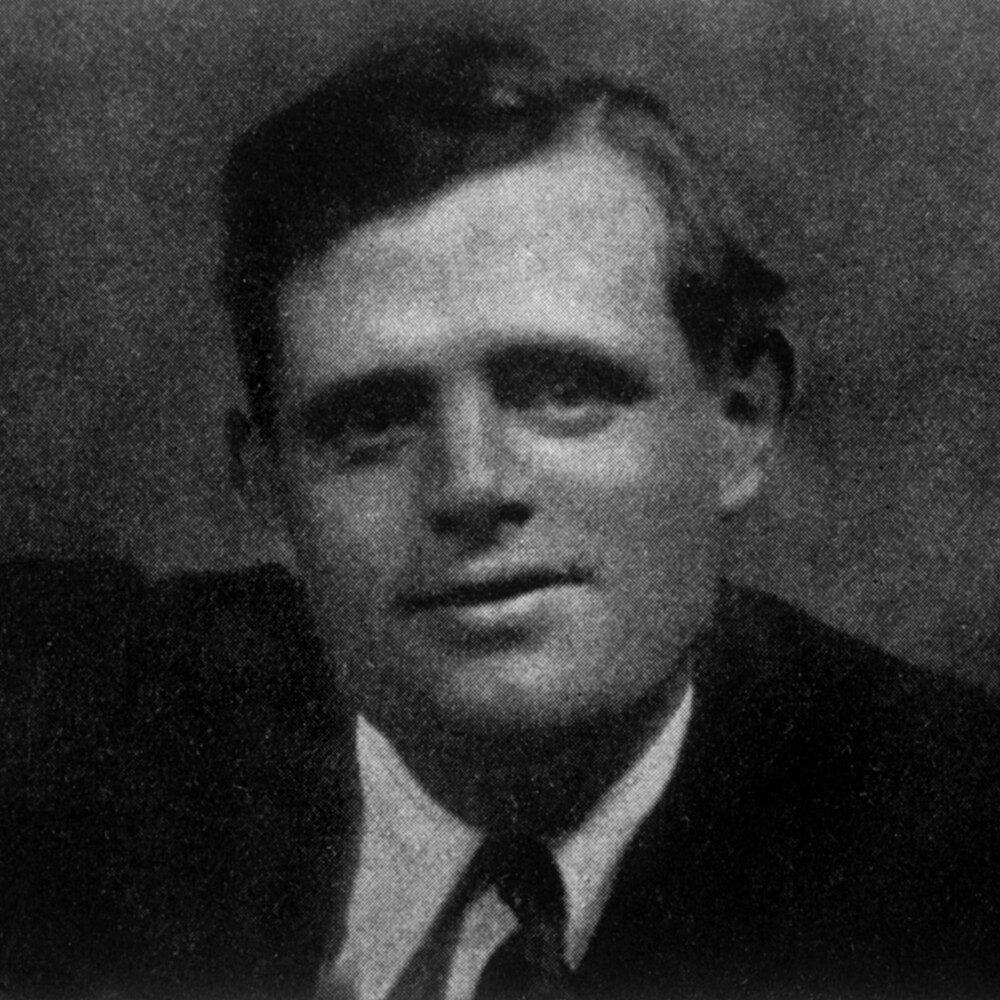
He wasn’t a saint. A lost dog without a collar. One of those brilliant, wandering, tormented, adventurous and derailed lives. Jack London John Griffith Chaney London, writer, journalist, playwright, was born on January 12, 150 years ago, in 1876. An existence like the ups and downs of his San Francisco. He was the natural son of a traveling astrologer and the daughter of a wealthy inventor. An ambivalent imprinting. The father disappeared, the mother remarried to a farmer, John London.
From childhood, after finishing primary school, he was characterized by a strong restlessness and by having unrecommended company, including thieves and smugglers. During his short existencein addition to being sent for months to various re-education centers, he did everything and more: newspaper reporter, clandestine oyster fisherman, washerman, seal hunter, insurance agent, boxer, farmer, gold digger. Until we get to the extraordinary success in the literary field. Vena who made his debut at Oakland High School, where he was among the editors of the school newspaper “The Aegis”.
Social commitment and philosophical influences
In parallel it thesocial commitment. From 1894 he joined the socialism. In the footsteps of the ideas of Karl Marxin defense of the weak in society. In Washington he took part in a march of unemployed people against poverty and the scarcity of work. To then wander around the United States, in an experience that will give life to “The Road”. A beatnik, a Jack Kerouac ante litteram.
In 1894, to enroll in the Berkeley Universityfinanced himself with cleaning jobs in the school, collaborating on the university newspaper and always remaining active on a political level for the purposes of social justice. Particularly interested in the theories of Darwin and to Nietzsche, sharing the former’s (very current) doctrines regarding the survival of the fittest compared to the weaker.
The Klondike Gold Rush and the masterpieces
In 1897, at the age of twenty-one, he launched himself into the wave of Klondike gold rush between Canada and Alaska, in a series of tragic and cruel vicissitudes, which will be an inspiration for his works. He returned to San Francisco a year later, with a small bag of gold worth a few dollars. Since then the rise, albeit between ups and downs, towards the sensational success with the pen. Will write further 50 books. Among the best known also “White Fang”, “Martin Eden”, “The Star Wanderer”, “The Sea Wolf”, “The Scarlet Plague”.
In 1903 the literary achievement. Reached with “The Call of the Wild“. Six and a half million copies in the English language alone. Halter contract, negligible profits. By now, however, writing was part, perhaps the only stable one, of his restless world. He was also a forerunner of science fictionstill little known today. The theme of the “day after” is recurring with humanity having regressed to the primordial phases. Prospecting a bacteriological war with a China that has become enormously populated and competitive on a production level.
War correspondent and the plague of alcoholism
In 1904 he sailed to Korea as a correspondent in the Russo-Japanese War. Between arrests and expulsions. He was a correspondent at the Battle of Yalu, which he witnessed. But upon his fourth arrest, the president’s personal intervention was necessary to free him Theodore Roosevelt. The following year he bought a 4 square kilometer ranch in California: literally a disaster. An initiative ahead of its time, bad luck and above all the plague ofalcoholismwhich was now tormenting him. There Wolf House it was destroyed by fire. The stone remains are now a national monument.
Prophetic visions and the mystery of death
He thought about a trip around the world that he never did with the purchase of a yacht. He later stayed in the South Seas and in Australia, publishing “The Iron Heel“, a political fantasy novel, where he demonstrates knowledge of the philomathic brotherhoods (desire to learn). They seem to prophesy the birth of the Nazi-fascist regimes, as well as warning about the inhuman character of capitalist society. In 1909 another masterpiece, “Martin Eden“. To then return to his land. These are the last outbursts of a personality as painful as it was prolific. To some extent prophetic.
It was November 22, 1916 when his body was found in a cottage on the ranch. He was only 40 years old. One suspectsoverdose of painkillers. Although he was a strong man, he had been struck by various diseases and tropical infections contracted during his travels. In addition to alcohol abuse in an advanced stage, suffering which forced him to resort to morphine and opium. His death remains a mystery. There are those who also put forward the hypothesis of suicide. Lately there has been suspicion of a mercury-based treatment used against syphilis. The seal of a desperate call into the forest of existence.