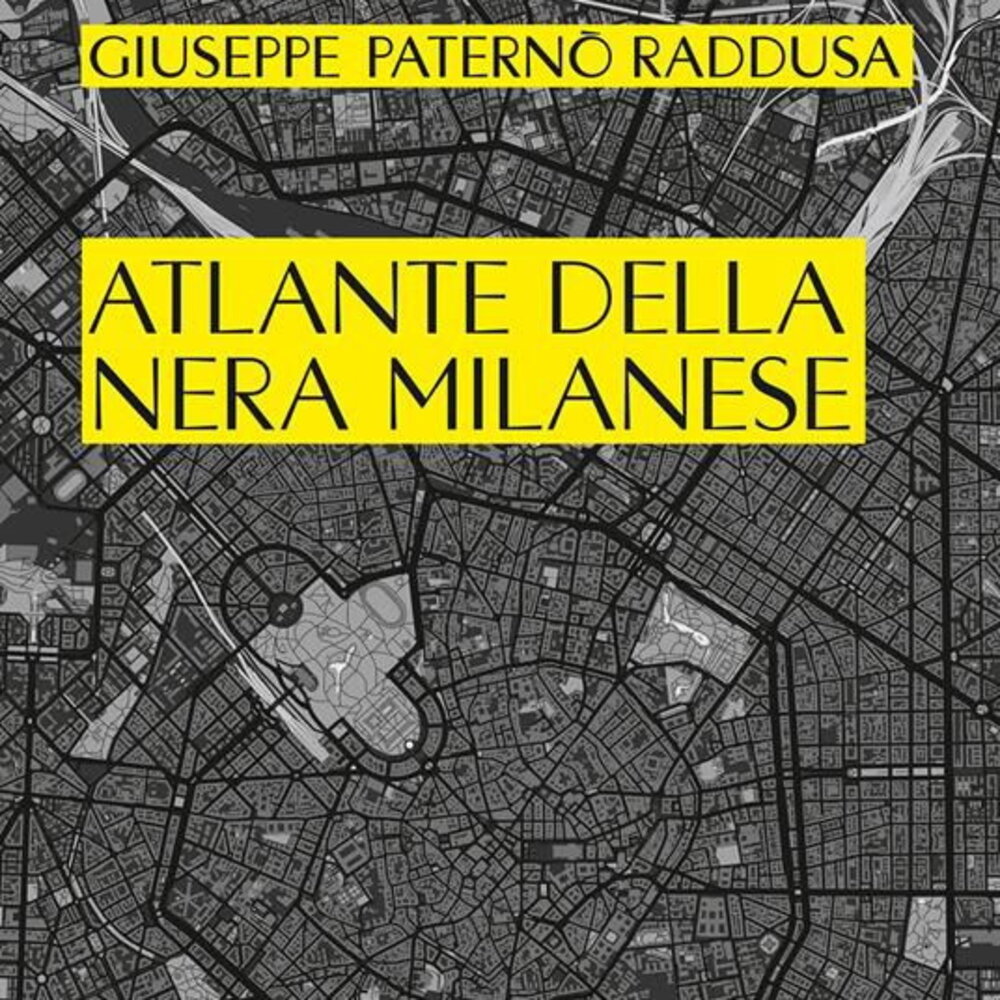
Say goodbye for the moment toMilanoof the lights of the catwalks and the rhythms of finance, to the capital of efficiency, fashion and innovation. Now let’s get into itcity of shadowsdei crimesof the stories that resist beneath the surface, made ofcriminal eventswhich have profoundly marked its history.
The atlas of the black Milanese
It takes us thereGiuseppe Paternò Raddusa con ‘The Atlas of the Milanese Black‘, where every corner of Milan, much of which is now a center of nightlife, luxury and well-being, tells of a wound. A real onemapable to reconstruct some of thecrime casesmost significant of the city, intertwining names, dates and scenarios that have marked thecollective memory. Figures emerge likeRenato Vallanzasca e Gaspare Zinnantisymbols of different but equally violent seasons. Not only protagonists of criminal events, but mirrors of achanging social contextmarked by tensions, fears and profound changes.
The innovative structure of the book
The peculiarity of the book lies in itsstructure: un atlasprecisely. Not a linear narrative, but a path that crossesneighborhoods, streets e precise places. Milanothus becomes aopen-air archivewhere every corner can hold aforgotten history. Paternò Raddusa guides the reader in aitinerarywhich overturns the usual gaze on the city, restoring a less visible but equally real dimension. And by privileging the data, the context, the reconstruction, he lets the facts speak. And it is precisely this choice that makes the story even more incisive: theviolenceit is not emphasized, but emerges forcefully precisely through its essentiality.
Milan between modernity and restlessness
The result is acomplex portraitwhere they live togethermodernity and restlessnessprogress and memory.The Atlas of the Milanese Blackit’s not just a news book: it’s onetool to read the city in depthto recognize thetraces of the pastin places of a totally different present.
In una Milan that runs fastthis work invites us to stop and take a closer look. Because even in thebrighter citiesle ombrethey don’t disappear: at most they change shape.
http://pax.nichost.ru/forum/view_profile.php?UID=166131
https://www.lingvolive.com/en-us/profile/eb4dd5f3-f216-4144-afda-c0ea755f5bb9/translations
https://v.gd/yTPcq2
https://hi-fi-forum.net/profile/1122660
http://users.atw.hu/nlw/profile.php?mode=viewprofile&u=31743
https://www.siteprice.org/competitors/proverkazapreta.ru
https://s.surveyplanet.com/mu154bsn
https://www.longisland.com/profile/SeninaRita
https://portfolium.com/fakile1340
https://controlc.com/9199149c
https://reactos.org/forum/memberlist.php?mode=viewprofile&u=186640
http://www.rohitab.com/discuss/user/3494585-nikakapaeva/
https://spinninrecords.com/profile/danaantonova
https://app.talkshoe.com/user/frolovegor
https://www.chordie.com/forum/profile.php?id=2475692
https://bookmeter.com/users/1687752
https://doodleordie.com/profile/zuevroman
https://wakelet.com/@KarimGaliev92187
https://kktix.com/user/8457216
https://projectnoah.org/users/tadeipetrov
https://www.checkli.com/proverkazapreta
https://www.intensedebate.com/people/ProverkaZapreta
https://joy.link/proverkazapreta
https://www.anobii.com/en/014296da0777b00a59/profile/activity
https://circleten.org/a/396852?postTypeId=whatsNew