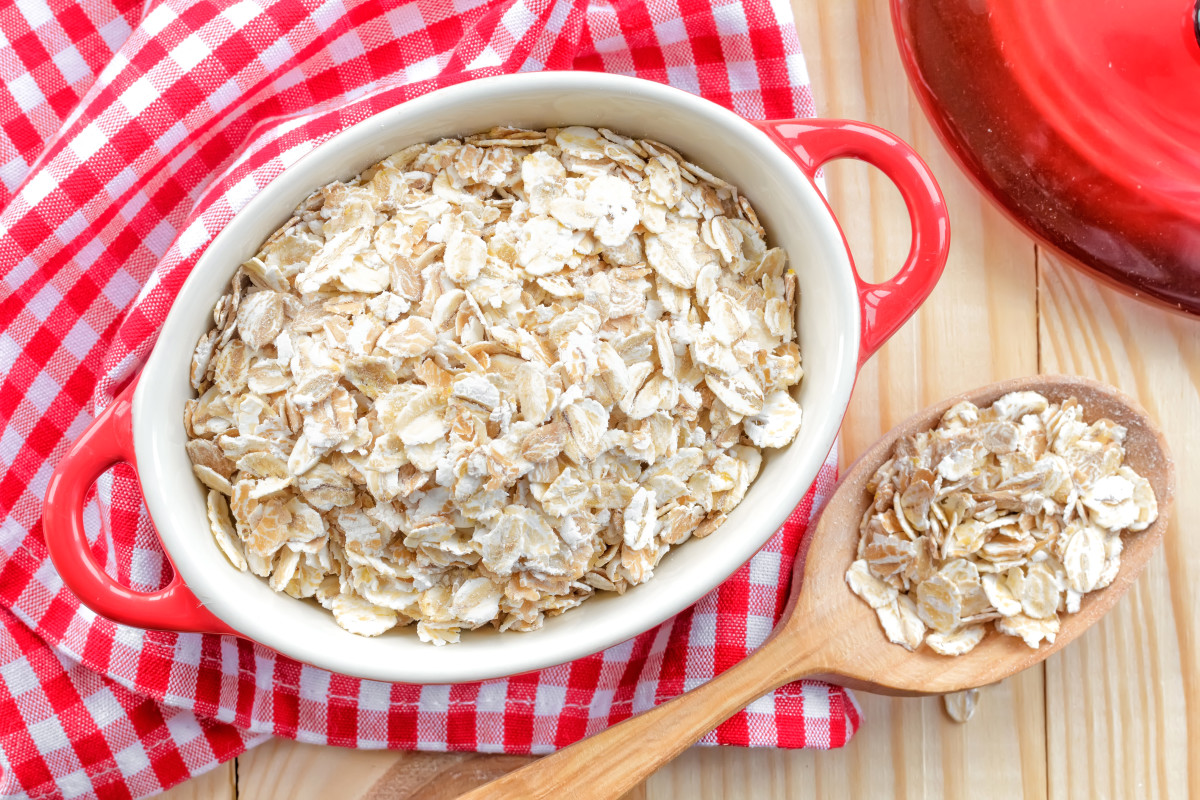
Oatmeal is considered a popular food in breakfast because of the nutritional components it contains and its ability to help lower weight by increasing the feeling of satiety, according to the medical journal “Health”. There are a number of factors that make oatmeal a good choice to control the desire to eat.
The first factor is wealth in dietary fiber. Oatmeal contains “beta-glucan”, a type of soluble fiber that mixes with water and creates gastrointestinal gel-like material. It helps maintain a longer sense of satiety and contributes to weight gain. The soluble fiber also helps regulate blood sugar and lower cholesterol levels. A study showed that people who ate oats in the morning felt a bigger satiety and were less likely to snack, compared to those who had only eaten oranges.
The second factor is a low glycemic index. The glycemic index measures the effect of food on blood sugar – the higher the index, the greater the effect on sugar. Oatmeal with its low index provides slow and stable liberation of energy, which helps blood sugar stability and reduces the desire to eat.
The third factor is healthy digestive support. The fiber fibers help regulate the gut movements and support the beneficial bacteria in the gut that may help protect against obesity. However, additional research on humans is needed for a person.
The way preparation affects the nutritional value of oatmeal. Ready packaging often contains added sugar, up to 12 grams or more packaging, which adds calories without significant health benefits. Adds like brown sugar, granola or dried fruits give flavor and nutritional ingredients but raise the amount of calories.
It is important to control the size of the dishes. It is advisable to start with one cup of cooked oats (about 150 calories) and add protein and toppings like nuts or seeds to a feeling of satiety. This approach guarantees a nutritious and satisfying meal without containing too many calories.