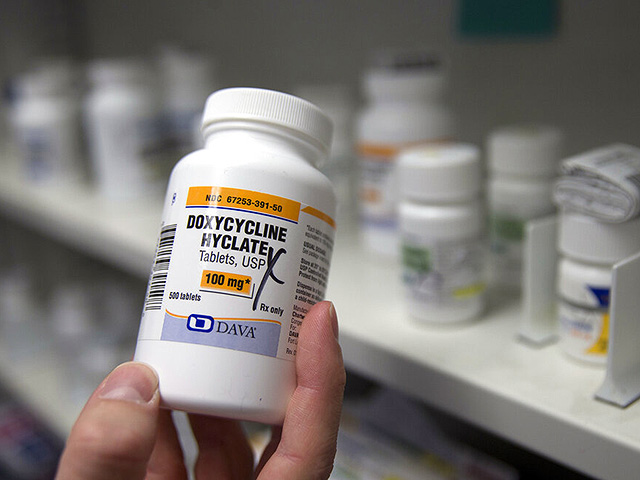
Research has shown that teenagers treated with the antibiotic doxycycline in psychiatric clinics had a much lower risk of developing schizophrenia in the future, compared with those who took other antibiotics. Experts say the findings could open up the possibility of a new use for the widely used drug in the prevention of severe mental illness.
Schizophrenia is a serious disorder that usually begins in early adulthood and is often accompanied by hallucinations and delusions. To gain further insight into possible ways to prevent the disease, scientists from the University of Edinburgh, the University of Oulu and the University of Dublin used the latest statistical modeling techniques to analyze data from large health registries in Finland. The team looked at more than 56,000 teenagers who sought mental health care and took antibiotics. They found that among those who used doxycycline, the likelihood of developing schizophrenia was 30-35% lower than among peers who took other antibiotics.
Scientists speculate that this protective effect may be due to doxycycline’s effects on inflammation and brain development. Doxycycline is a broad-spectrum antibiotic that is commonly used to treat infections and acne. Previous research has shown that it can reduce inflammation in brain cells and affect synaptic pruning, a process by which the brain improves neural connections. Excessive pruning is associated with the development of schizophrenia. Additional analyzes showed that the reduction in risk was not associated with acne treatment, nor was it explained by other underlying factors that differentiated these groups of adolescents.