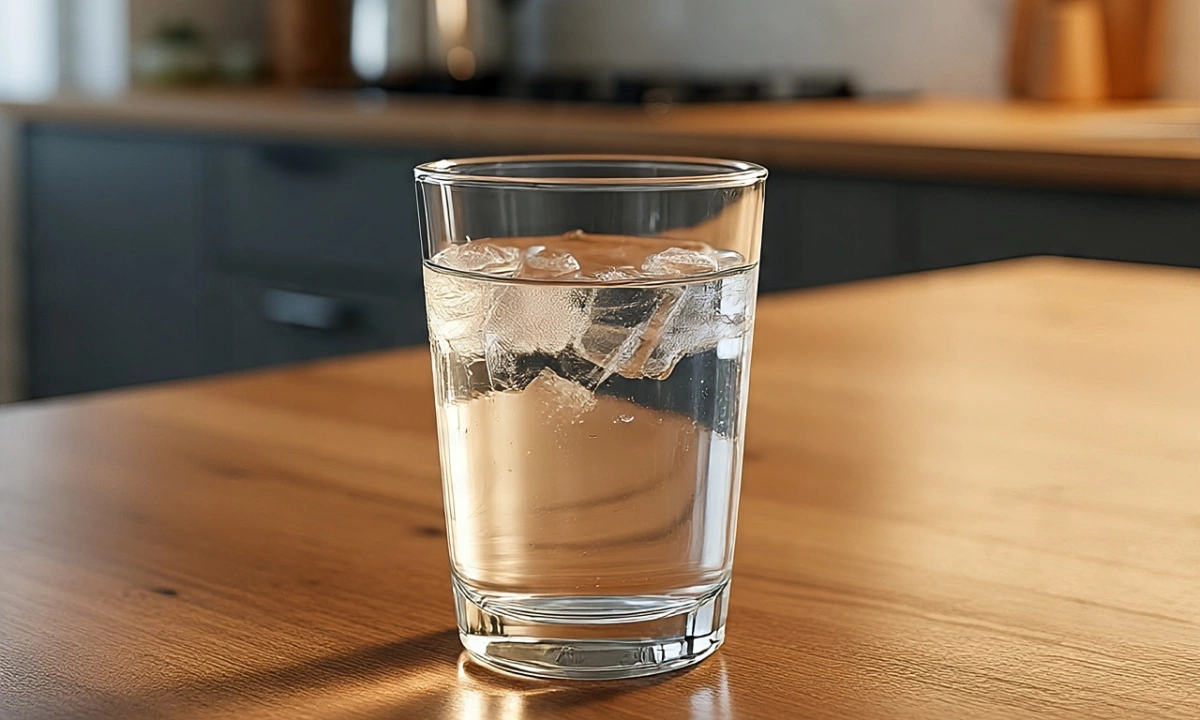
Drinking less than 500 ml for a long time can lead to concentrated urine, put pressure on the kidneys, reduce brain function, cause fatigue and slow down the digestive process.
Healthy adults should maintain a water intake of about 1.8-2 liters of water per day or more if doing vigorous physical activity, hot weather… Dehydration not only becomes serious when sick or in hot weather, but even mild dehydration can significantly affect the body. Some reasons such as the characteristics of daily work and office habits often cause people to drink much less than their body needs.
Over time, this produces changes in energy levels, concentration, digestion and kidney function, including in healthy adults.
Puts pressure on the kidneys and reduces filtering ability
The kidneys rely heavily on fluid intake to filter waste from the blood and maintain chemical balance. When water intake is less than 500 ml per day, the kidneys have to work harder to compensate for the lack of water, forcing this organ to constantly be in conservation mode. This increased workload can potentially lead to long-term kidney damage.
Dehydration also causes waste and concentrated urine to become dark, increasing the risk of mineral deposits forming, which can lead to kidney stones and infection. Although there are no visible or painful symptoms, these internal adjustments indicate that the kidneys use more energy when water levels continuously fall below recommended levels.
Affects the brain, blood flow and daily energy
Reducing daily water intake not only affects kidney function, but the heart, blood vessels and brain also respond quickly to dehydration. Even mild dehydration can change the way the body circulates oxygen and the way the brain focuses.
Some impacts include:
- Blood volume decreases slightly, causing the heart to beat faster to maintain circulation.
- Reduced oxygen supply to the brain causes decreased concentration and slower processing.
- Headaches, irritability and lack of motivation become more common during the day.
- Muscles get tired more easily even when doing simple activities like climbing stairs.
- Warm or humid weather worsens symptoms of dehydration, sometimes for just a few hours.
These changes are often mistaken for stress, fatigue or lack of sleep when in fact the body may be signaling dehydration long before thirst is apparent.
Slows down digestion, disrupts hormone signals
Water plays an important role in digestion and metabolic balance. When food intake is consistently low, the digestive system slows down and hormone communication becomes less effective, affecting how the body regulates hunger, satiety and energy. This can lead to:
- Digestive movements slow down, increasing the risk of constipation and bloating.
- Reduced saliva makes the first stages of digestion less effective.
- Hormone regulation, especially increased vasopressin, affects management. body’s glucose.
- The feeling of hunger may be stronger than usual because the body confuses thirst with cravings.
- Slower nutrient transport affects energy, mood along with metabolic performance.
If you regularly drink less water, increasing your fluid intake by a cup or two can make a significant difference in your energy, alertness, and overall health. Some simple ways to help the body maintain balance and prevent slow, steady stress caused by drinking less than 500 ml per day:
- Drink a glass of water after waking up to rehydrate.
- Always carry a water bottle with you when going to work, the gym, school or when traveling to encourage regular drinking.
- Choose water with meals instead of sugary drinks or coffee.
- Add fruit slices, mint or lemon to make the water more appealing.
- Drink water in small amounts frequently instead of waiting until you’re thirsty.
- Increase water intake during hot weather and heavy exercise.