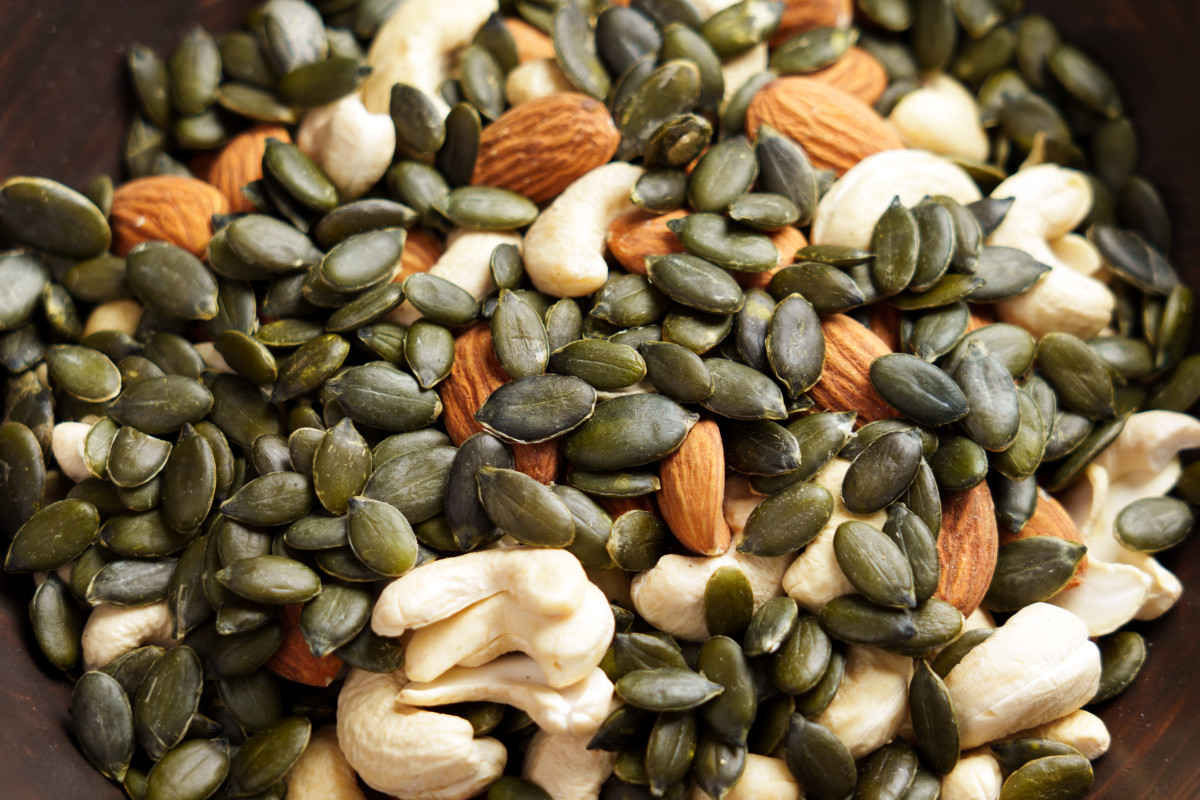
A serving of 25 grams of pumpkin seeds contains 8.34 grams of protein. As for almonds, a 25 gram serving contains 6 grams of protein. Protein is found in every cell in the body and is essential for cell production and repair, as well as for muscle growth and function. Protein consists of more than 20 amino acids – the body produces 11 of them, while the remaining nine must come from food. Pumpkin seeds and almonds contain all nine essential amino acids, but they are not considered “complete sources” of protein because they are low in certain amino acids, such as lysine. Therefore, it is better to consume them with other protein sources.
The fiber content in unpeeled pumpkin seeds is higher than in almonds, but removing the skin significantly reduces the amount of fiber. 25 grams of shelled pumpkin seeds contain 5.22 grams of dietary fiber, 25 grams of peeled pumpkin seeds contain 1.82 grams of fiber and 25 grams of almonds contain 3 grams of fiber. However, none of these servings meet the recommended daily amount of fiber, which ranges from 25 to 30 grams per day for adults.
Eating pumpkin seeds or almonds as snacks throughout the day can help achieve your daily fiber goals, but pumpkin seeds with their skins may achieve this result faster.
Dietary fiber is essential because it regulates bowel movements, nourishes beneficial bacteria, supports digestive health, and reduces the risk of heart disease, stroke, type 2 diabetes, diverticulitis, and certain cancers.
Furthermore, pumpkin seeds contain more than twice the amount of magnesium found in almonds and are the best source of magnesium available. Pumpkin seeds: A 25 gram serving contains 154 milligrams of magnesium. Almonds: A 25 gram serving contains 72.24 milligrams of magnesium.
Adults should get 420 milligrams of magnesium daily, so a 25-gram serving of pumpkin seeds provides 37% of their daily magnesium requirement, compared to 17% for almonds.
Magnesium is an essential mineral because it is involved in more than 300 chemical reactions that occur in the human body, including blood pressure regulation, blood sugar control, bone structure growth, DNA synthesis, energy production, as well as maintaining a regular heartbeat, improving muscle and nerve function, and protein synthesis.