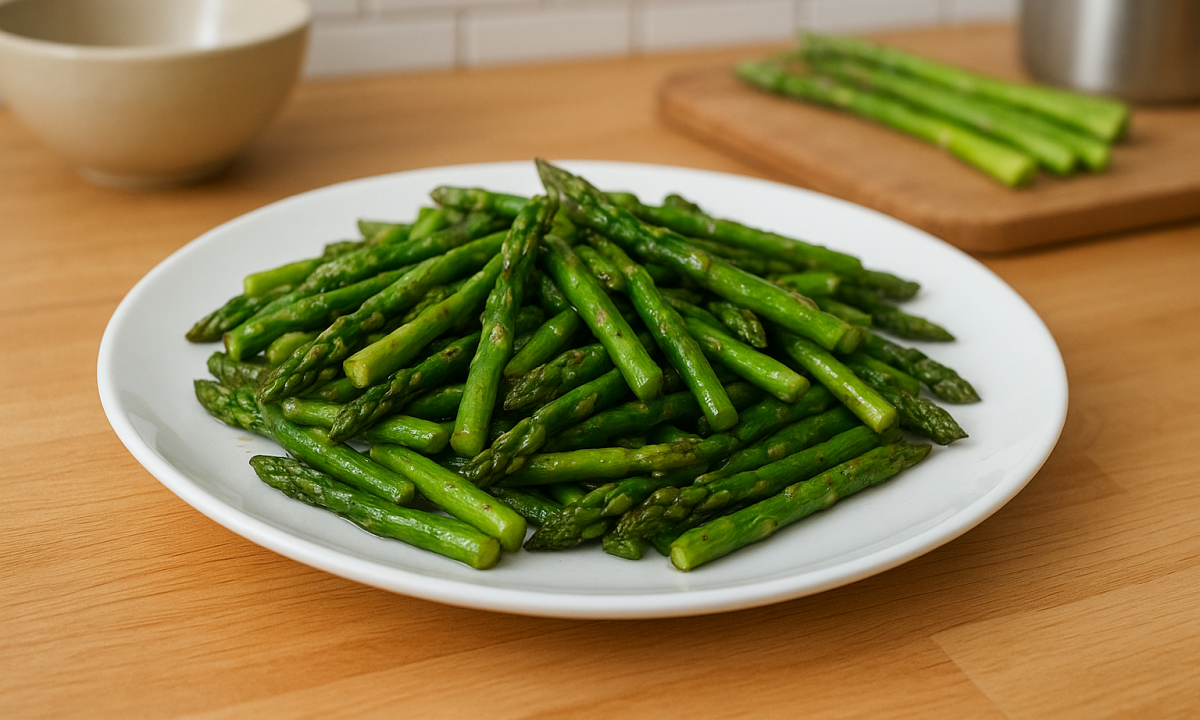
Asparagus contains many vitamins, fiber, and antioxidants that help lose weight, are good for the intestines, and protect cells from damage.
Losing weight
Asparagus is low in fat and calories, rich in fiber, and supports weight loss because it helps increase the feeling of fullness between meals. Fiber also reduces constipation and cholesterol. Combine asparagus with hard-boiled eggs or another protein source to maximize the benefits.
Reduce urinary tract infections
Asparagus has natural diuretic properties, meaning the food aids in eliminating excess salt and fluid by increasing urine production. This is beneficial in removing harmful bacteria from the urinary tract, thereby reducing the risk of infection.
Provides antioxidants
Anthocyanin is this pigment that gives red, blue, and purple colors to fruits and vegetables. Anthocyanins in asparagus also have antioxidant effects, helping the body fight free radicals that damage cells. Overcooking asparagus can cause vitamin loss, so grill or boil the food for 4 minutes.
Strengthen the immune system
Asparagus provides vitamin E, which strengthens the immune system and protects cells from the harmful effects of free radicals. This contributes to the prevention of cancer, heart disease, dementia, liver disease and stroke.
Asparagus contains many heart-healthy nutrients. Photos are generated by AI
Beneficial for reproductive health
Green asparagus contains high levels of protodioscin saponin. It is this phytochemical that creates the bitter taste of food. Protodioscin supports ovarian health and enhances sexual desire. This nutrient also helps the body increase testosterone production, restoring erectile function.
Good for the intestines
This vegetable has inulin, a prebiotic that is good for gut health. Inulin promotes a healthy balance of intestinal bacteria, contributing to reducing bloating, digesting food easily, and preventing constipation.
Rich in vitamin B9
Everyone needs folate for the body to produce new cells. Supplementing enough folate during pregnancy can prevent serious birth defects in the brain or spine of the fetus, making it less likely to be born prematurely. The amount of this nutritional supplement depends on your age and physical condition. You should consult your doctor before use.
Improve mood
Asparagus is rich in folate, which is involved in the production of neurotransmitters such as serotonin and dopamine – chemicals that regulate mood. People with depression often have low folate and vitamin B12 levels. Adding folate-rich foods like asparagus to your diet can help you feel better over time.
After eating asparagus, you may notice a strange color and smell in your urine, but that is not dangerous. This food contains asparagusic acid, a sulfur-containing compound that produces a pungent odor as the body decomposes it.