According to a report on the GEN Edge website, a news site in the field of biotechnology and advanced medicine, researchers from the Allen Institute and Japanese institutions have succeeded in creating an accurate biophysical simulation of a mouse brain cortex, based on the enormous computing power of the Fugaku supercomputer. The computerized model includes approximately 9 million neurons and 26 billion synapses, and spans 86 connected brain regions.
The project makes use of a framework called CORTEX, which is intended for large-scale neural models and is specially adapted to the Fugaku computer: through a graphical decomposition of the network structure (Indegree Sub-Graph Decomposition), they achieved an optimization that enables an especially large and efficient simulation.
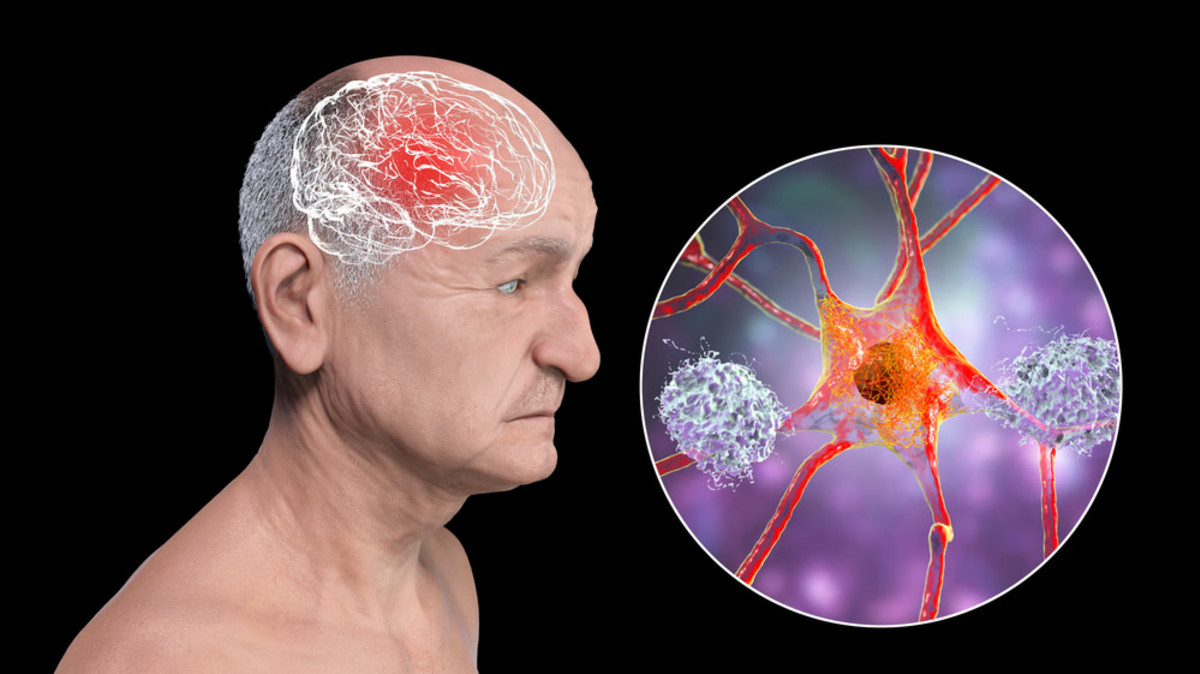
The researchers also report that the simulation can provide a platform for future research of neurological diseases such as Alzheimer’s or epilepsy – and for precise monitoring of how damage is propagated in neural networks, or how activity changes in states of attention, cognition or brain function.
The work is described as a first step towards the creation of complete models of the brain – not only mice, but in the future also the human brain – thanks to the example created, which proves that accurate models on a high scale are already possible today.