Thin people still have fatty liver due to many reasons such as visceral fat, genetics, diabetes, poor diet, lack of exercise and drugs.
Thin people are also at risk of fatty liver – a disease that seems to only occur in people who are obese, have type 2 diabetes or have metabolic syndrome.
According to BS.CK2 Lam Nguyen Thuy An, Ho Chi Minh City University of Medicine and Pharmacy Hospital – Campus 3, fatty liver, also known as non-alcoholic fatty liver disease (NAFLD), is a condition of fat accumulation in the liver unrelated to alcohol consumption.
Many studies show that about 10-20% of people with fatty liver have a thin body, with a completely normal body mass index (BMI).
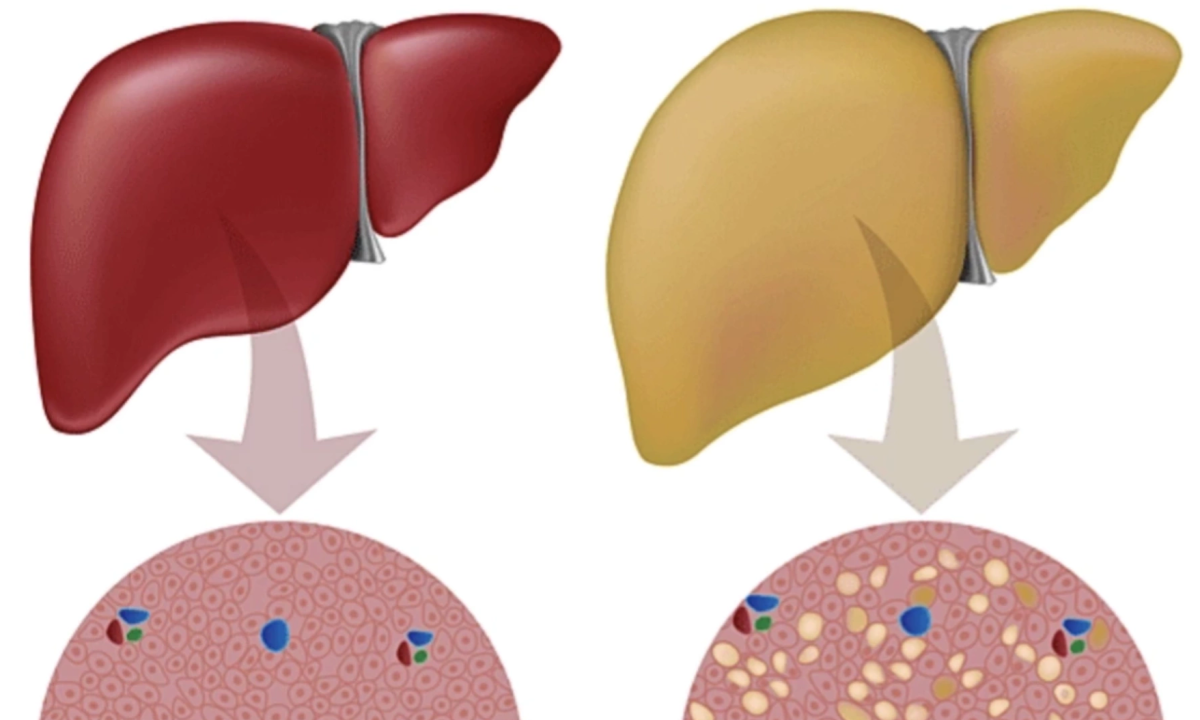
Simulation of healthy liver (left) and fatty liver (right). Image: Healthline
The following reasons make it possible for people with normal weight to still have fatty liver.
Visceral fat and abnormal metabolism
Visceral fat is fat that accumulates around the liver, blood vessels and intestines. They easily cause metabolic diseases, even in people with thin physique. Normally, the liver converts sugar into energy.
If the body lacks sugar (due to inadequate diet or excessive weight loss), the liver is forced to use fat instead. The amount of fat that accumulates in the liver over time will cause accumulation and disease.
Genetics and metabolic disorders
Some people have genetic genes that make them susceptible to fat metabolism disorders, increasing the risk of fatty liver.
Diabetes and insulin resistance
High blood sugar makes the liver susceptible to fat accumulation, even in people who are not overweight.
Unbalanced diet
Consuming a lot of saturated fat, sugar, and processed foods can increase fat accumulation in the liver, although it does not cause significant weight gain.
Unscientific vegetarianism or excessive abstinence
Causes the body to lack necessary nutrients, causing an imbalance in fat metabolism.
Lack of exercise
Thin but sedentary people are also at risk of fat metabolism disorders, leading to fatty liver.
Side effects of medications and other factors
Some drugs such as corticosteroids, tamoxifen, amiodarone derivatives can increase fat accumulation in the liver. Smoking and drinking a lot of beer and alcohol, even if you are not fat, can damage the liver and accumulate fat.
In Vietnam, the risk is even higher due to specific genetic factors, plus Vietnamese people often accumulate visceral fat and have small skeletons, causing BMI to sometimes not reflect the correct level of risk. Therefore, many people are still subjective, leading to serious complications.
“Skinny people often think they are not in the risk group, so they don’t go to the doctor or get screened. When discovered, the disease has progressed to non-alcoholic steatohepatitis (NASH), causing cirrhosis, liver failure, and even liver cancer,” Dr. An said, adding that some studies show that the rate of serious complications in thin people is similar to, or even higher than, fat people.
From there, Dr. An recommends that everyone should actively protect the liver and prevent fatty liver disease by:
– Maintain a healthy diet: Eat lots of green vegetables, beans, fish, whole grains, and protein. Limit sugar, soft drinks, milk tea, processed foods, fried foods, animal fats, and alcoholic beverages.
– Increase exercise: Exercise at least 30 minutes/day and do not rest for more than 2 days without exercise. Adults should spend about 150 minutes a week doing simple exercises and maintaining exercise habits to support fat metabolism more effectively.
– Control underlying disease: If you have diabetes, dyslipidemia, or high blood pressure, strictly control it according to your doctor’s instructions. You should check liver enzymes, blood fats, and abdominal ultrasound at least once a year.
– Avoid risk factors: Do not smoke, limit alcohol. Be careful when using drugs that can harm the liver and always consult your doctor.