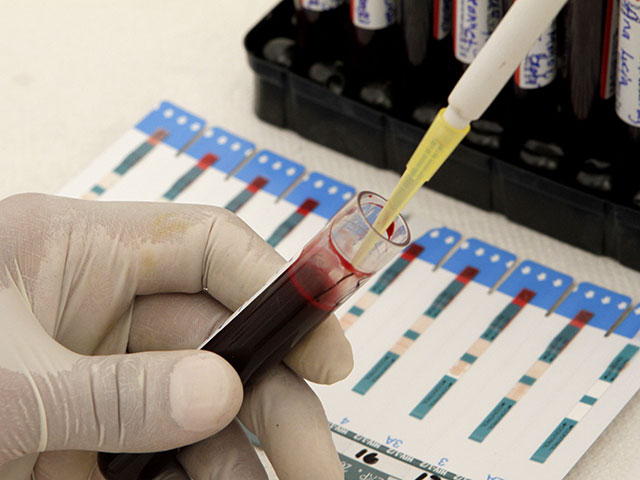
According to researchers from the University of Surrey, a number of proteins (PLAUR, SERPINA3, CRIM1, DDR1 and LTBP2) involved in the development of cancer and inflammatory processes may also increase the risk of death. These data can help doctors timely identify patients at highest risk and implement early preventative or treatment measures.
The scientists also identified 392 proteins associated with increased mortality over the next five years, and another 377 proteins associated with the risk of death over a ten-year period – and the results persisted even after controlling for factors such as smoking or pre-existing medical conditions. Proteins play a key role in the functioning of the body and are essential for cell growth, development and structure.
Using data from UK Biobank, the researchers looked at the protein profiles in the blood of more than 38,000 middle-aged and elderly people. Some participants died within 5-10 years after taking the tests (not due to random reasons). The goal was to understand whether risks of early natural death are reflected in circulating protein concentrations.
The team found that proteins associated with cell interactions, proliferation and inflammation were the most significant predictors of mortality over a five-year horizon. For example, high levels of SERPINA1, a protein that protects the lungs from enzymes that cause inflammation, were found to be a strong marker of risk of death within five years.
Five proteins were also identified that predicted mortality regardless of the time interval considered. This indicates their fundamental role in the biological mechanisms leading to deterioration of the body. Thus, increased levels of SERPINA3 are associated with worse survival in certain types of skin cancer and carcinomas.