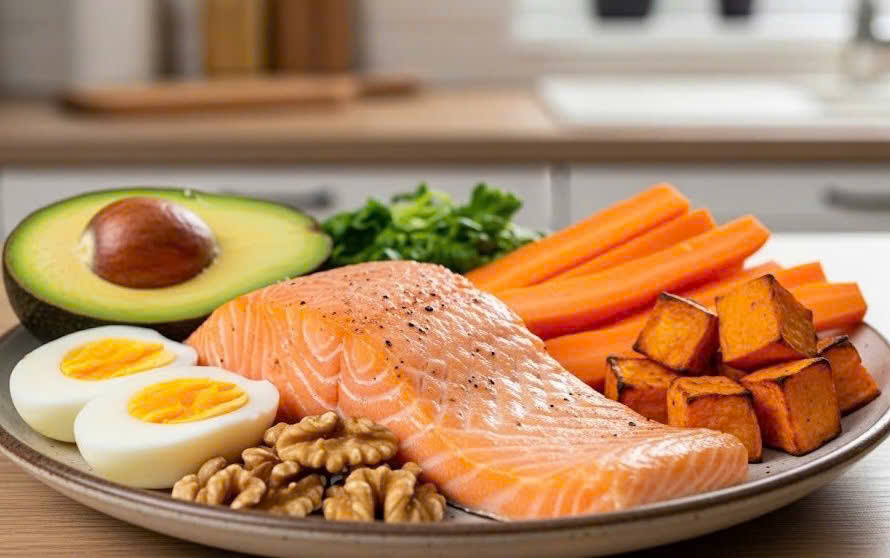
Combining foods containing non-heme iron with foods rich in vitamin C, drinking tea or coffee two hours after main meals can prevent anemia.
Anemia is a condition in which the number of red blood cells or hemoglobin concentration in the blood is lower than normal, leading to a reduced ability to transport oxygen to tissues and organs. Women of reproductive age and children are susceptible to this condition.
Symptoms include fatigue, paleness, dizziness, difficulty breathing, and decreased ability to concentrate. If not treated, the patient can easily become stressed, affecting the heart, and children may have delayed cognitive development. Eating scientifically can improve health and prevent anemia.
Eat foods that support red blood cell production
Essential nutrients such as iron, folate, vitamin B12 are needed for red blood cell production. Heme iron found in animal products such as red meat, liver, fish, is absorbed effectively by the body compared to non-heme iron found in plant foods. Non-heme iron sources include lentils, tofu, dark green leafy vegetables, and fortified cereals. At the same time, each person should supplement vitamin C to maximize absorption. Vitamin C converts iron into a form that is easily absorbed in the digestive tract.
Folate is found in dark green leafy vegetables, and vitamin B12 is found in eggs, milk, and meat. It is necessary for DNA synthesis during red blood cell development, preventing anemia.
Limit foods that hinder iron absorption
Some foods hinder absorption, reducing hemoglobin synthesis. Specifically, polyphenols in tea and coffee bind to iron, forming insoluble complexes in the intestines. Calcium in milk inhibits the absorption of heme and non-heme iron. Phytates in whole grains and legumes bind to non-heme iron, reducing their bioavailability, unless the food is soaked, sprouted or fermented. Absorption inhibition varies depending on factors such as stomach acid, medical condition, overall diet, time of consumption.
You should drink tea within two hours of eating an iron-rich meal because tannins in tea bind to iron, hindering the body’s absorption of this nutrient.
Limit alcohol
Drinking too much alcohol can lead to anemia by impairing healthy blood cell production and causing premature destruction of red blood cells. In addition to nutrition, lifestyle factors also play an important role. Moderate physical activity stimulates red blood cell production. Drinking enough water, sleeping well, and effectively controlling stress will improve metabolism, support overall health, and regenerate hemoglobin.