What is oral cavity cancer?
What is the prevalence of the disease in Israel and in the world?
According to the data of the Cancer Society and international health organizations, several hundred new patients are diagnosed in Israel every year. In the world the numbers reach several hundreds of thousands. The incidence is high among men, but in recent years an increase has also been seen among women, a result of behavioral changes and prolonged exposure to factors such as smoking and alcohol. Tumors associated with the human papilloma virus are more common among young people, a phenomenon that is currently being examined by various health bodies. Prof. Saroji emphasizes that the disease does not receive the public attention that other tumors receive, therefore some patients are not even aware of the first signs.
Who is in the risk group?
Smoking is the most prominent risk factor. Along with it is drinking a lot of alcohol, infection with the human papilloma virus, chronic exposure to the sun, and a diet low in fruits and vegetables. Prof. Saroji points out that the combination of smoking and alcohol significantly increases the damage to the tissues of the oral cavity. The human papilloma virus vaccine reduces the risk of some tumors, but vaccination rates are not high in all populations. A poor condition of teeth and gums creates chronic irritation that may accelerate the development of pre-cancerous processes.
What happens in the disease?
The tumor usually develops following cumulative damage to the epithelial cells. Chronic damage from smoking or alcohol, or penetration of the human papilloma virus, lead to genetic changes that disrupt the cell’s ability to correct mistakes and regulate division. At this stage, a tumor is formed that begins to spread to the muscles, jaw bones and the lymphatic system. Prof. Saroji explains that the relatively fast penetration into the adjacent tissues is due to the dense structure of the oral cavity. Any change in such an area immediately affects basic systems such as swallowing, chewing and speaking.
What are the symptoms that should arouse suspicion?
The first signs are not always unambiguous. A wound that does not heal for two weeks, a white or reddish spot on the oral mucosa, persistent pain, a lump on the cheek or tongue, difficulty swallowing, prolonged hoarseness, unexplained bleeding and bad breath that does not respond to treatment – all these warrant a medical examination. Meanwhile, swelling in the neck may indicate lymph node involvement. Prof. Saroji points out that many patients attribute sores in the oral cavity to a transient irritation and arrive at a diagnosis only after the disease has progressed.
What tests are needed for diagnosis?
The diagnosis begins with a clinical examination by an oral and maxillofacial surgery specialist or an oral medicine specialist. In case of suspicion, a biopsy from suspicious tissue is performed and is the definitive test. At the same time imaging such as CT, MRI or PET-CT are done to assess the stage of the disease and the involvement of the lymph nodes. Prof. Saroji points out that in recent years, light means have been used for early detection of changes in the tissue, but the decision depends on the biopsy. Routine examinations at a dentist sometimes make it possible to notice lesions in much earlier stages, before extensive spread.
What are the accepted treatments?
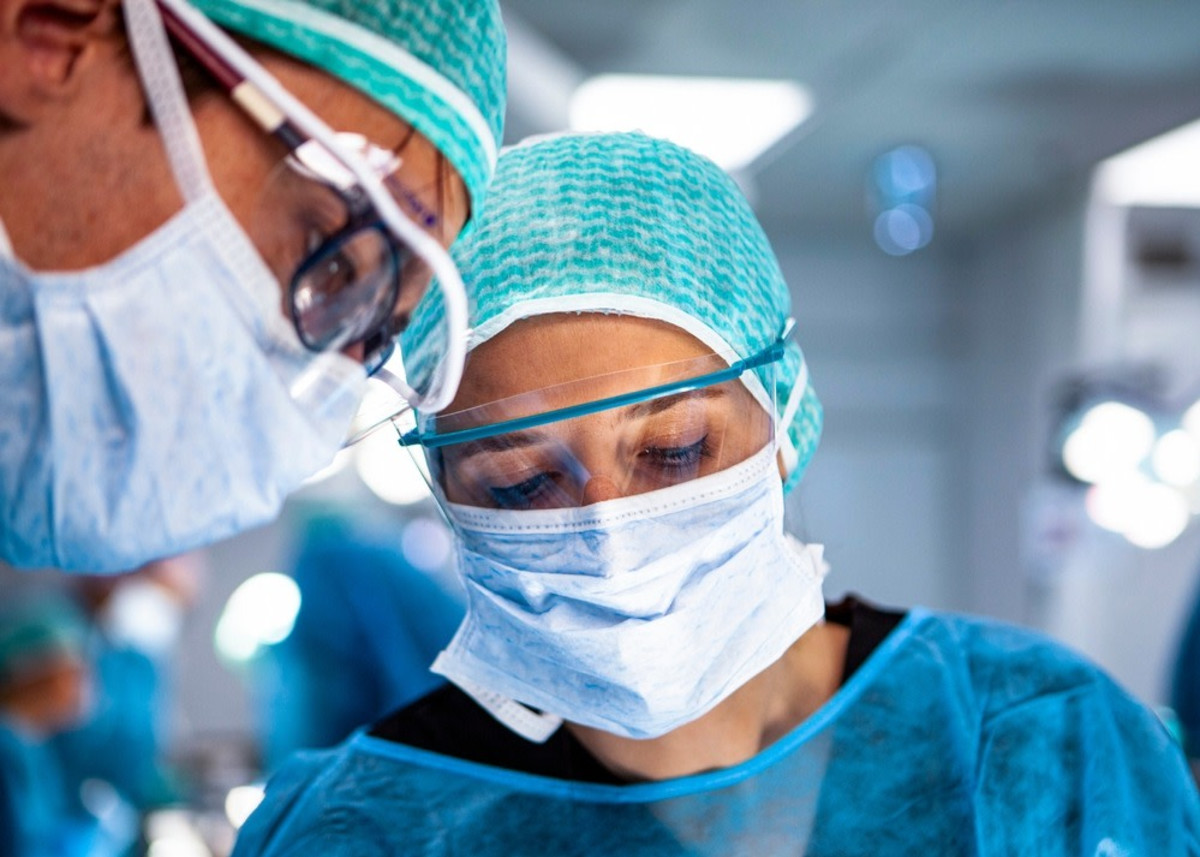
The treatment is determined by the size of the tumor, its location, its penetration into the deep tissues, and the degree of involvement of the lymph nodes. In many cases, the surgical approach is the first line of treatment. Surgeries to remove the tumor and restore the damaged tissue are currently performed with advanced techniques that include reconstruction using tissues from other body areas. However, in some cases the resection area can be closed initially, without the need for a complex reconstruction. Some procedures are done with a robotic approach that allows for higher precision and preservation of nearby tissues. Prof. Saroji explains that these reconstructive surgeries take on special importance because the functional impairment may be significant.
After surgery, radiation therapy is sometimes required, which is determined according to the characteristics of the tumor. New irradiation methods allow precise adjustment of the radiation fields and reduction of damage to healthy tissues. In some cases chemotherapy is given at the same time as radiation. In recent years, immunotherapy has entered the forefront of the treatment of malignant tumors in the oral cavity. The treatment activates the immune system against the tumor cells and has been found to be particularly effective in advanced tumors or in situations where the disease has returned. Targeted biological treatments are given to some patients depending on the molecular profile of the tumor. Prof. Saroji points out that the integrated treatment today enables achievements that were not possible a decade ago.
The prognosis, i.e. the prediction of healing, is mainly influenced by the stage of diagnosis. When the tumor is detected at an early stage, the recovery rates are high. Conversely, in cases where there is involvement of lymph nodes or deep bone penetration, survival rates are lower. Meanwhile, tumors associated with the human papillomavirus often respond better to treatment. Prof. Saroji emphasizes that the gap between early and late detection is significant and emphasizes the need to increase public awareness.
How is the restoration carried out?
The rehabilitation after the treatment is functional and aesthetic. Oral rehabilitation doctors build customized solutions such as implants and dedicated prostheses. In some cases, reconstruction of the skull structures is required using implants or tissues taken from another area of the body. In addition, with the help of virtual planning in advanced computer programs, it is now possible to design and manufacture customized implants, which provide greater precision and a significant improvement in the results of reconstruction. Meanwhile, patients are referred to complementary treatments such as physical therapy and communication clinics to improve swallowing and speech. Prof. Srouji points out that the rehabilitation is a lengthy process that requires the support of a multi-professional team, but thanks to the new reconstructive systems, it is possible to achieve much better results than in the past.
“Cancer of the oral cavity is almost never present in the public discourse, despite the significant risk it poses,” Prof. Srouji concludes, “Unlike other tumors, many are unaware of the early signs and risk factors. Raising awareness of smoking, alcohol, and the human papillomavirus, along with routine examinations and in particular periodic examinations at a dentist that can detect early lesions even before symptoms appear, are steps that may reduce the rate of patients.”